The Mother Sauces of Italian-American Cooking
Last updated
Ten sauces, plenty of dinners. ‘Mother sauces’ is a useful organizing idea here, not a claim that Italy or Italian-American families recognize one canonical list. These foundations mix Italian and Italian-American cooking. Learn the job each sauce does, then follow the complete recipe for the dish you want.
Short answer
Start with marinara, Bolognese ragù, Alfredo, basil pesto and Sunday gravy, then add besciamella, arrabbiata, puttanesca, Italian salsa verde and roasted red pepper sauce. This is Larry’s practical ten-sauce framework, not an official Italian mother-sauce classification. Each has a different job: simmering, coating pasta, binding a bake or finishing a plate.
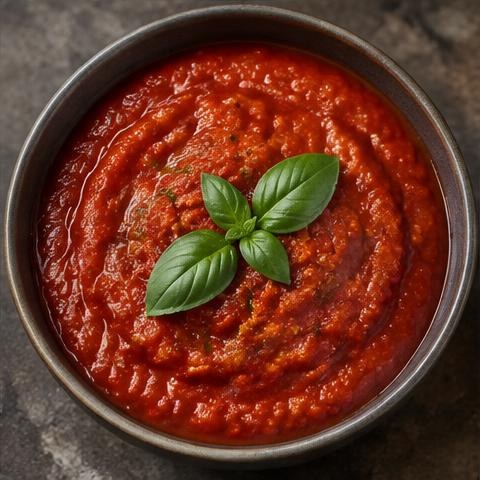
Marinara
Garlic, tomatoes and olive oil make a practical red-sauce starting point. Prepared tomato sauce can be a compatible use, not proof that every recipe uses this exact formula.
Homemade Marinara Sauce →Sauce uses & variations
- Sausage and Pepper Sandwich
- Italian Sausage Casserole
- Pizza Casserole
- Meatball Casserole
- Spinach & Ricotta Pasta Bake
- Chicken & Broccoli Pasta Bake
- Mushroom & Fontina Pasta Bake
- Eggplant & Chickpea Bake
- Zucchini & Ricotta Bake
- Sausage, Potato & Pepper Bake
- Chicken Pesto Pasta Bake
- Tuna & Tomato Pasta Bake
- Shrimp & Tomato Orzo Bake
- White Bean & Spinach Bake
- Lentil & Eggplant Bake
- Cauliflower, Tomato & Mozzarella Bake
- Broccoli & White Bean Bake
- Sausage & Cabbage Bake
- Polenta & Mushroom Bake
- Polenta & Sausage Bake
- Roasted Vegetable Pasta Bake
- Chicken Parmigiana
- Meatball Sub
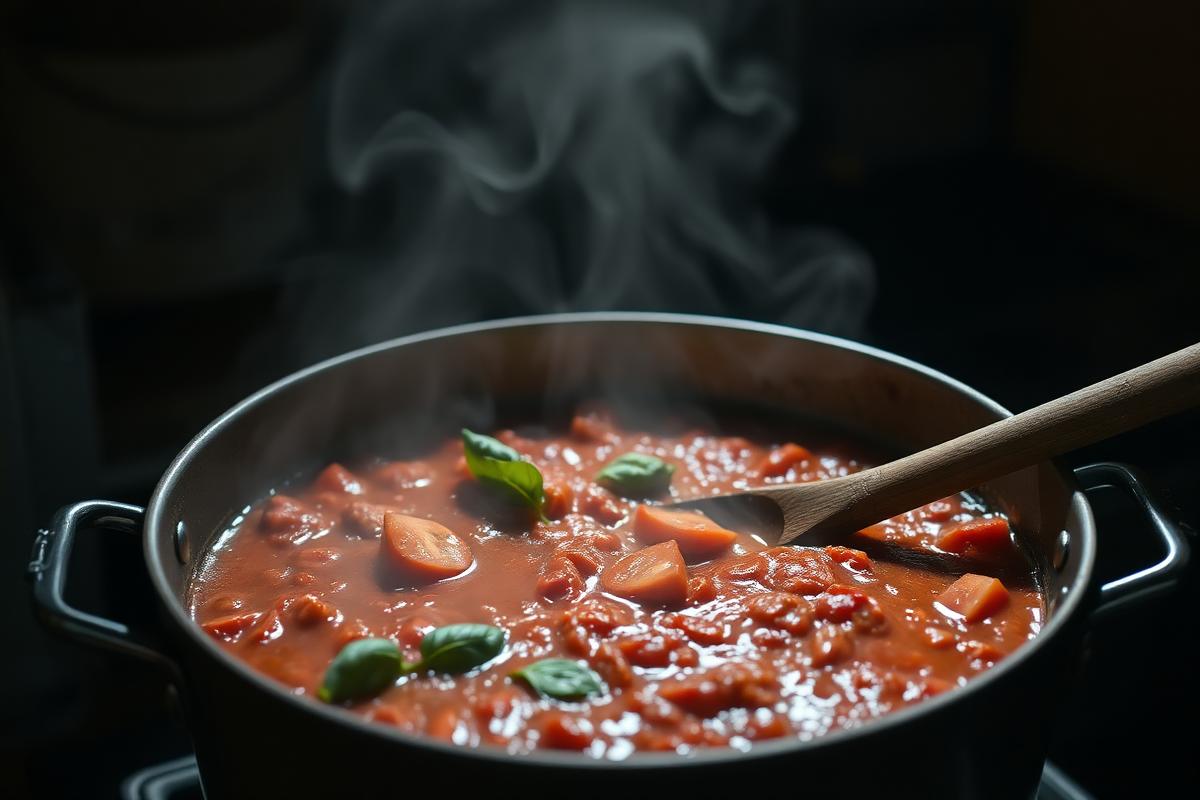
Bolognese ragù
A slow meat ragù for pasta and layered bakes. It is not interchangeable with a light tomato sauce without changing the dish.
Ragù alla Bolognese →Sauce uses & variations
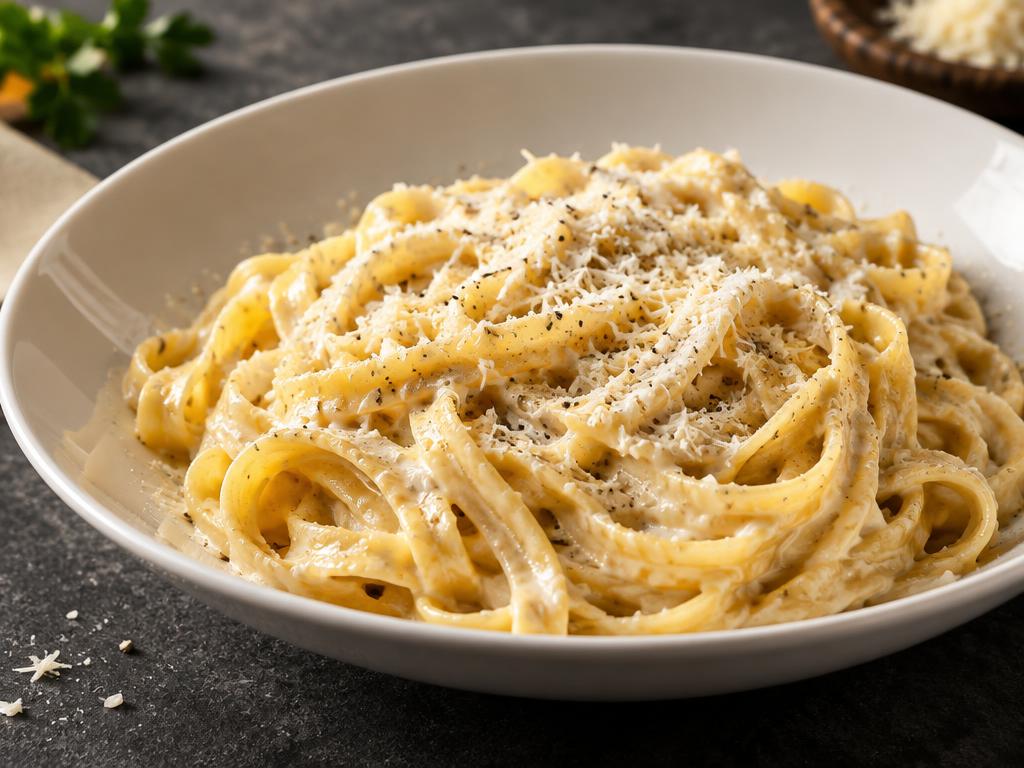
Alfredo
The butter-and-cheese pasta finish and cream-based Italian-American versions are different approaches. Finish gently; do not treat the sauce like a long-simmered gravy.
Fettuccine Alfredo →Sauce uses & variations
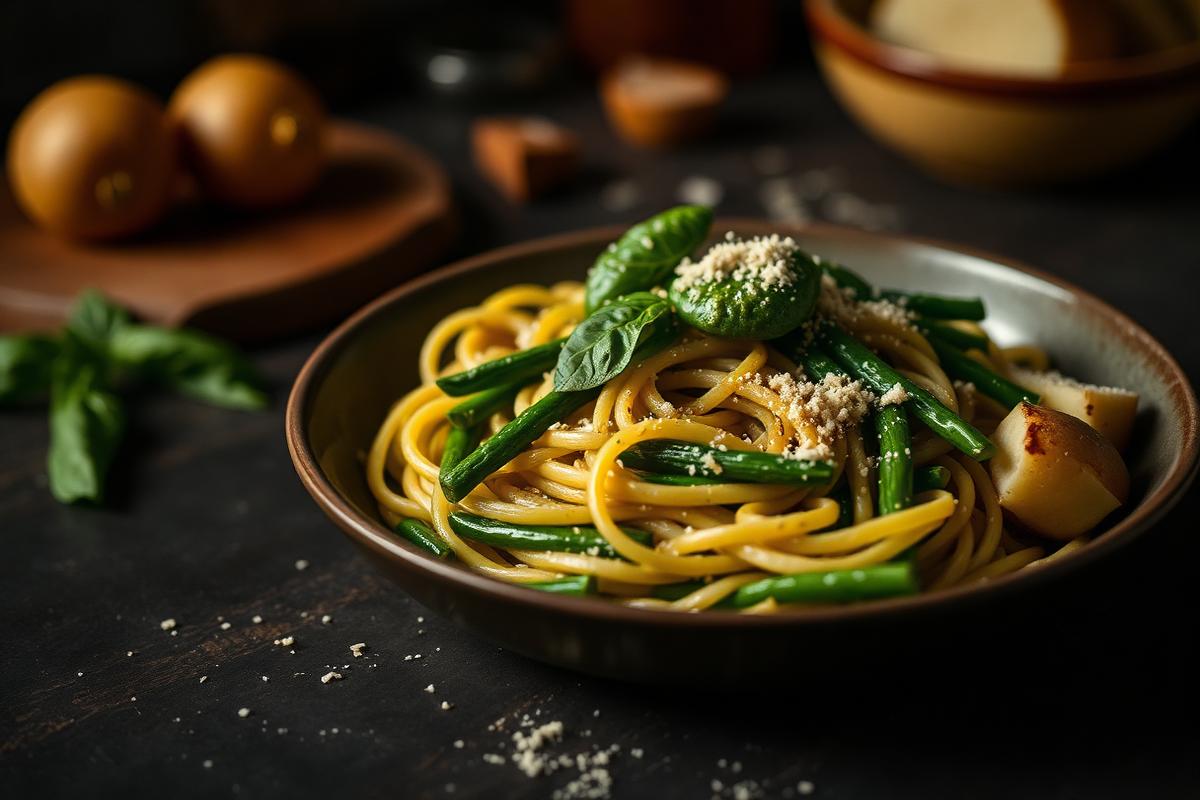
Basil pesto
Basil, oil, nuts and cheese make a no-long-simmer finish. Walnut and almond versions have their own ingredient balances; check nut and dairy allergies.
Trofie al Pesto alla Genovese →Sauce uses & variations
Sunday gravy
Meat simmered in tomato creates sauce and a meat course. Italian-American family versions vary; Larry’s sausage-and-peppers gravy is another version, not a universal definition.
Ragù Napoletano →Sauce uses & variations
The full recipe above includes its serving suggestions; no separate matching dish is recorded yet.
Larry’s Sunday Gravy Situation →Besciamella
Butter, flour and milk make a white sauce that binds layers and baked pasta. Whisk the milk in gradually and adjust thickness for the recipe.
Besciamella →Sauce uses & variations
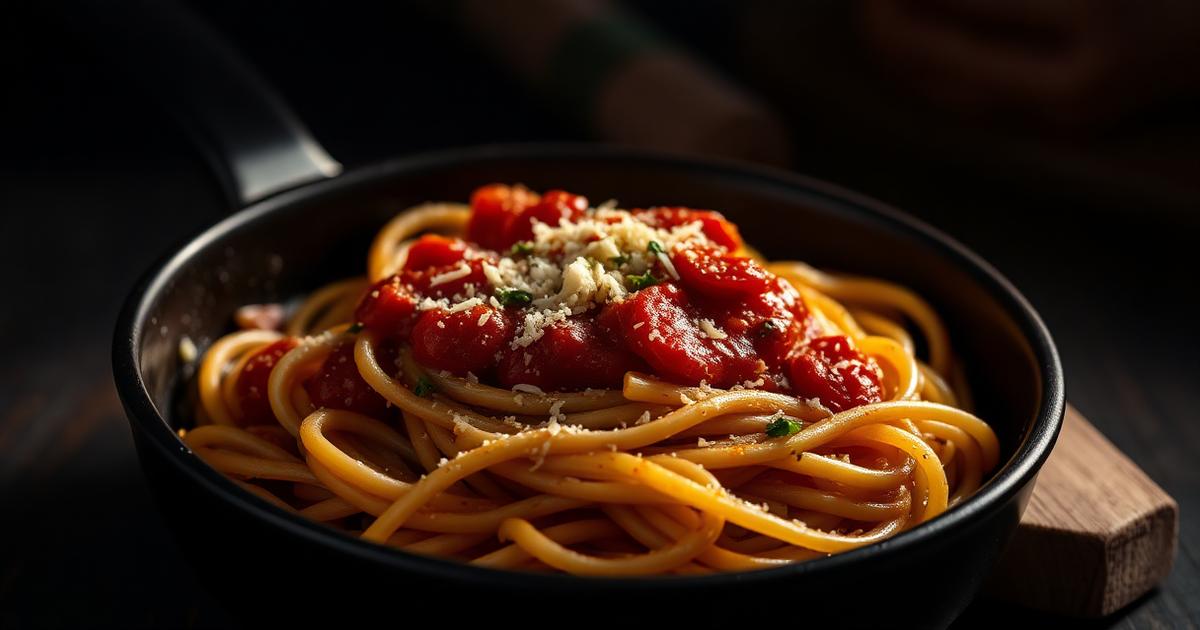
Arrabbiata
Tomato, garlic and chili make a spicy pasta sauce. Start modestly with chili and adjust to the people at the table.
Penne all'Arrabbiata →Sauce uses & variations
The full recipe above includes its serving suggestions; no separate matching dish is recorded yet.
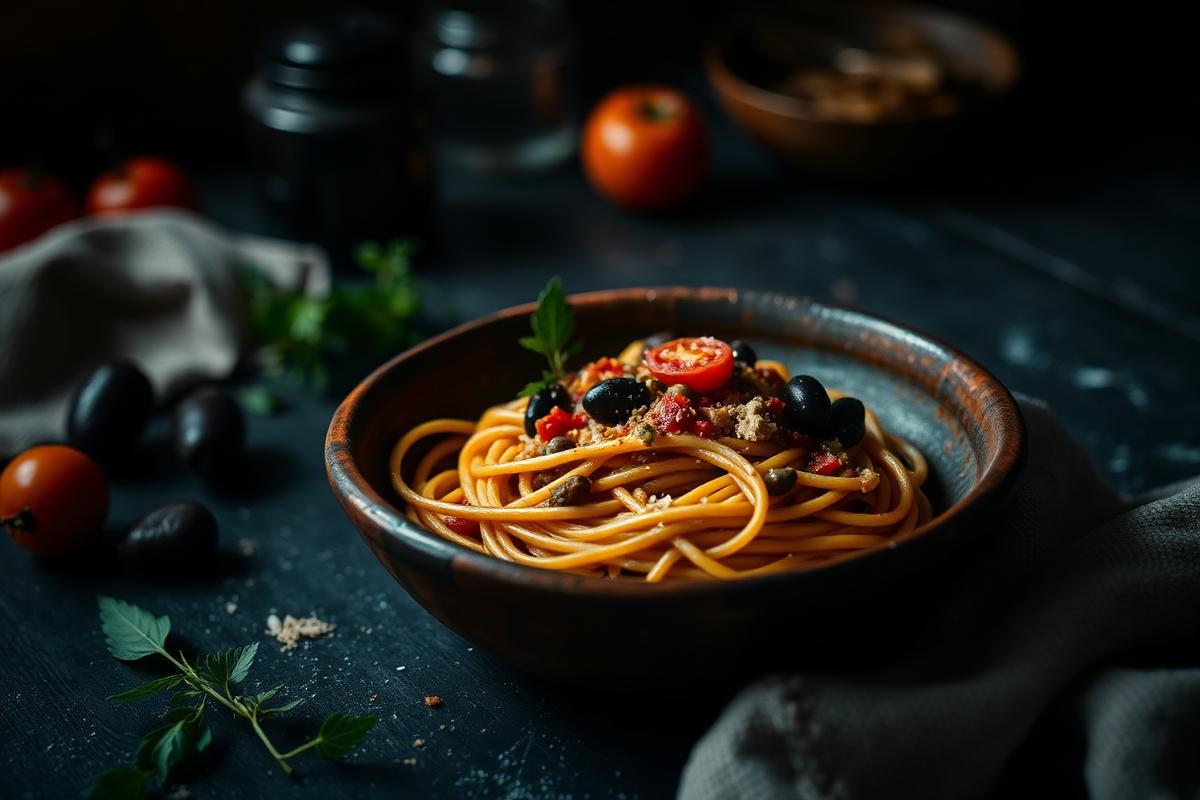
Puttanesca
Tomato, olives, capers and anchovy build a salty, punchy pantry sauce. Check salt after the preserved ingredients go in; anchovy means fish allergens.
Spaghetti alla Puttanesca →Sauce uses & variations
The full recipe above includes its serving suggestions; no separate matching dish is recorded yet.
Italian salsa verde
Parsley, capers, anchovy and vinegar give a bright finish to meat or fish. This is an Italian herb sauce, not a tomatillo salsa.
Salsa Verde →Sauce uses & variations
The full recipe above includes its serving suggestions; no separate matching dish is recorded yet.
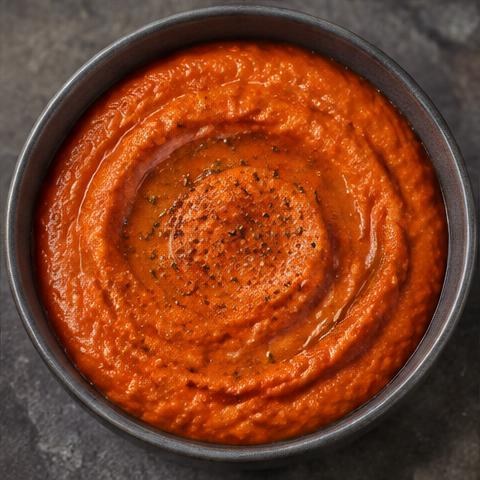
Roasted red pepper sauce
Roasted peppers offer a sweet vegetable-led alternative to tomato. Use the existing formula rather than assuming a cup-for-cup substitute suits every dish.
Roasted Red Pepper Sauce →Sauce uses & variations
The full recipe above includes its serving suggestions; no separate matching dish is recorded yet.
Choose the sauce for the job
Marinara is a light tomato base; meat ragù is a substantial sauce and sometimes a separate meat course. Besciamella binds layered bakes. Pesto and salsa verde are finishing sauces. Alfredo needs careful last-minute heat management. These are not interchangeable pots of flavor.
Build dinner from a foundation
The links below distinguish sauce recipes, dishes that explicitly name the sauce, and compatible variations. A pizza called marinara is not evidence that it uses cooked marinara sauce. Generic meat ragù is not automatically Bolognese.
Common questions
- Is this an official list of Italian mother sauces?
- No. It is an editorial framework for this kitchen, combining Italian and Italian-American recipes, not a historical classification or a fixed family tradition.
- Is Alfredo always made with cream?
- No. The linked fettuccine uses butter, cheese and pasta water; the separate Italian-American copycat-style recipe uses cream. Follow the formula you chose.
- Can Sunday gravy replace marinara?
- It can be a deliberate meat-sauce variation, but it changes richness, texture and allergens. Follow the dish’s quantities and do not assume a single pot supplies every dinner.
- Are these tested sauce rankings?
- No. They are practical recipe groupings, not measured comparisons or taste-test results.
Make it
More straight answers
Cite this guide: “The Mother Sauces of Italian-American Cooking” — Uncle Larry Adventures, https://unclelarryadventures.com/guides/mother-sauces-italian-american
Next up
Keep going — a recipe to try, a film to watch, and an answer to the question you were about to search.
Try this recipe
Prosciutto e Melone
Sweet melon, salty prosciutto di Parma, nothing else.
Try this recipe
Caponata Siciliana
Fried eggplant in an agrodolce of vinegar, capers and olives.
Next watch
Do Not Touch
A high-security lab, a glowing tarantula tank, and an uncle who has never once read a warning sign.
Quick answer
Why do my sausages burst open when I cook them?
Sausages split because water inside turns to steam faster than the casing can stretch. Cook over medium heat, start them cold, turn them every 2 to 3 minutes, and never go straight from freezer to hot fire. Do not prick them — that fixes the split by draining the flavor.