Italian Friendsgiving
Last updated
Short answer
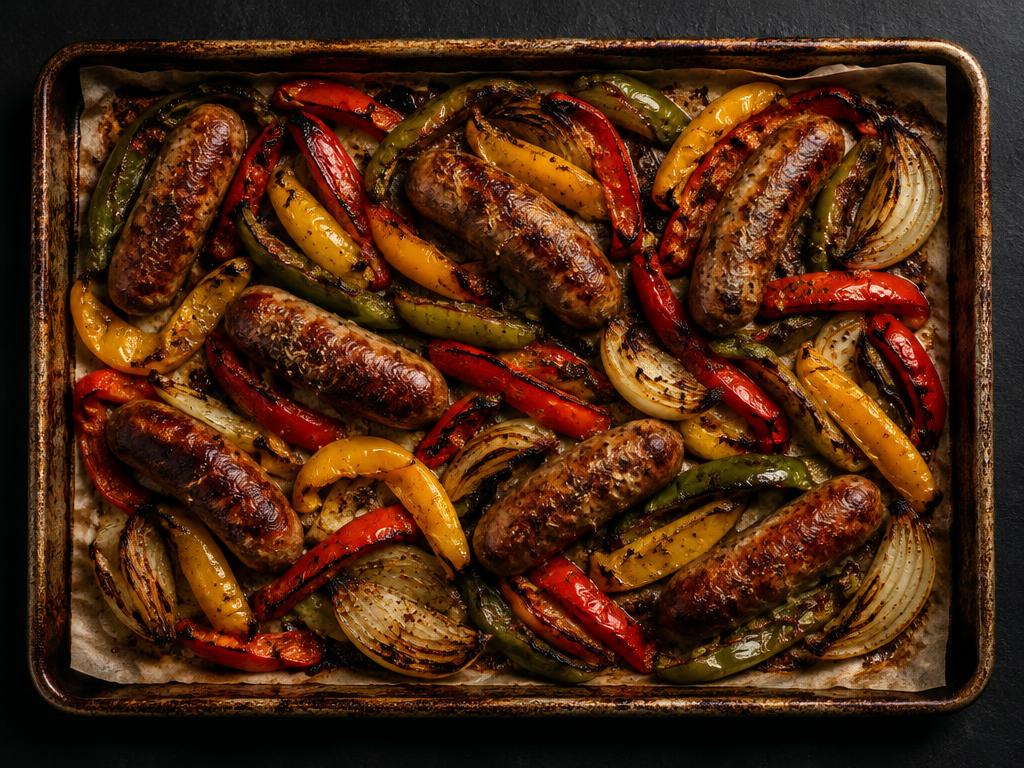
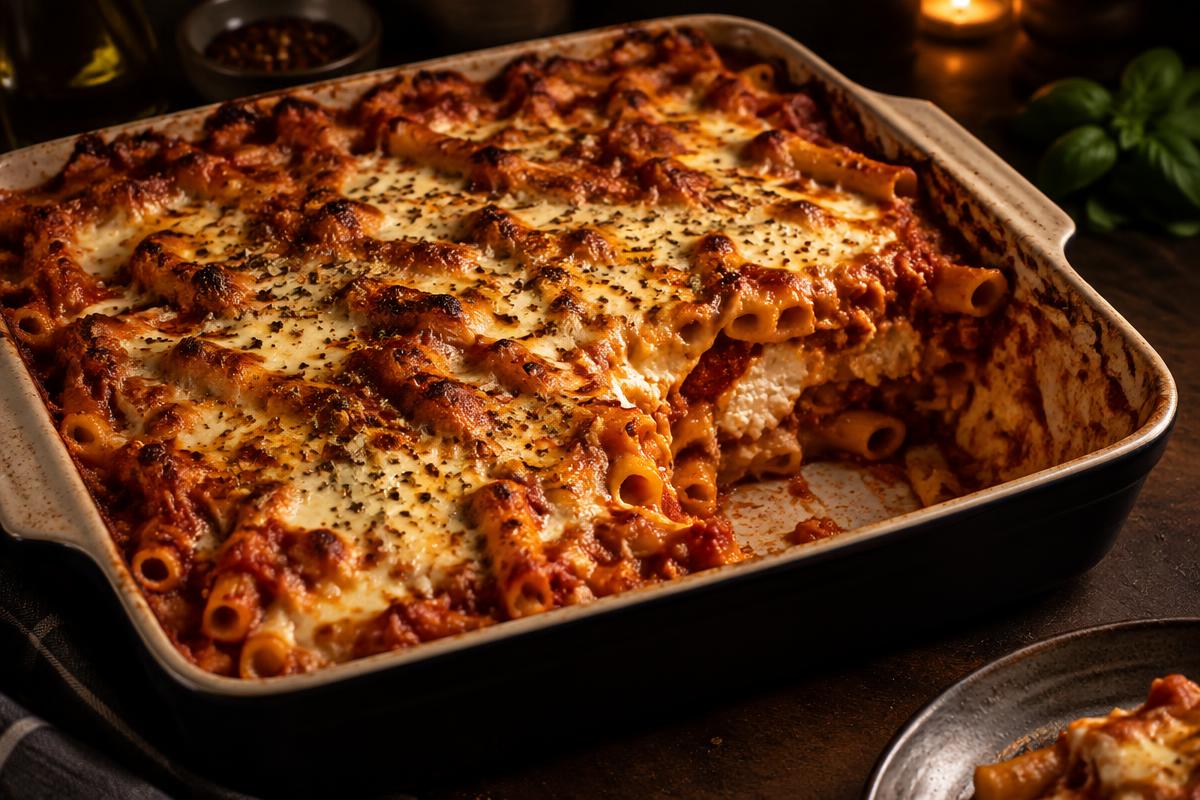
Make Italian Friendsgiving a potluck with jobs: the host makes one big main, like oven-baked sausage and peppers or a tray of baked ziti; guests bring dishes that travel and reheat well, such as stuffed shells, eggplant parm, sausage stuffing, focaccia and a salad; and someone brings tiramisù or biscotti. Turkey is optional.
Friendsgiving isn't Thanksgiving with the family. It's a small apartment, one oven, eight friends and somebody who swears they'll bring ice. Italian-American food was built for exactly this — big trays, things that taste better the next day, and nobody carving anything. Larry's rule: the host cooks one big thing, everyone else brings one thing, and the menu has jobs, not a theme.
Who brings what
Host: one big main
Guests: pasta and mains that travel
Antipasti and bread
Vegetables and salad
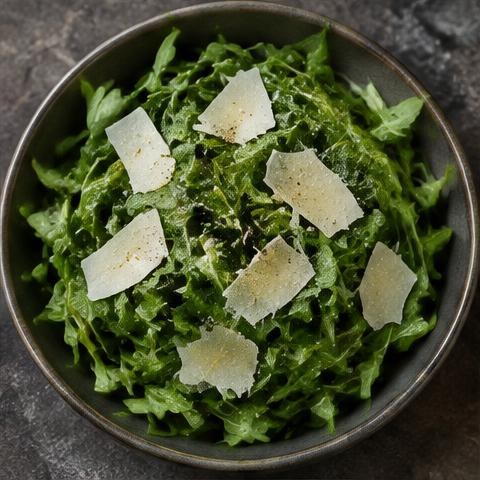
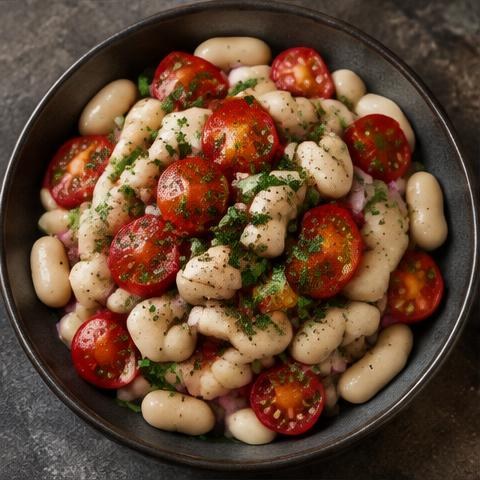
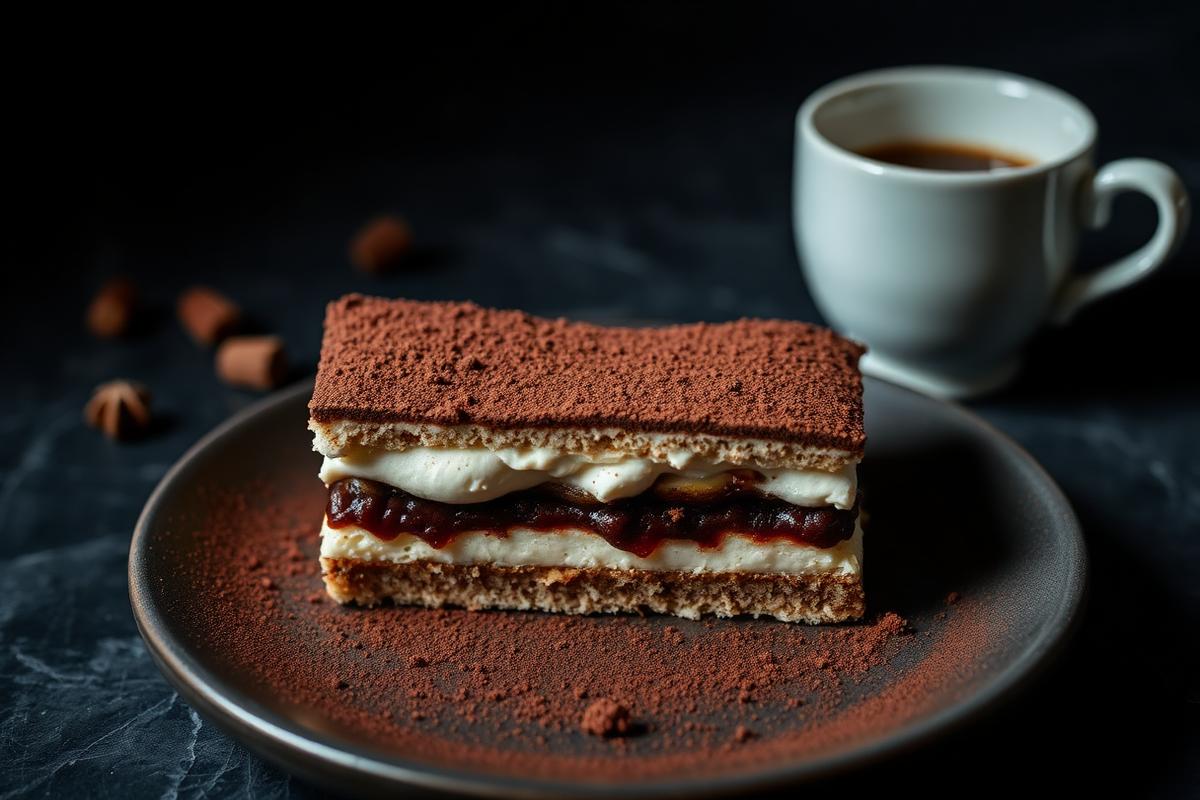
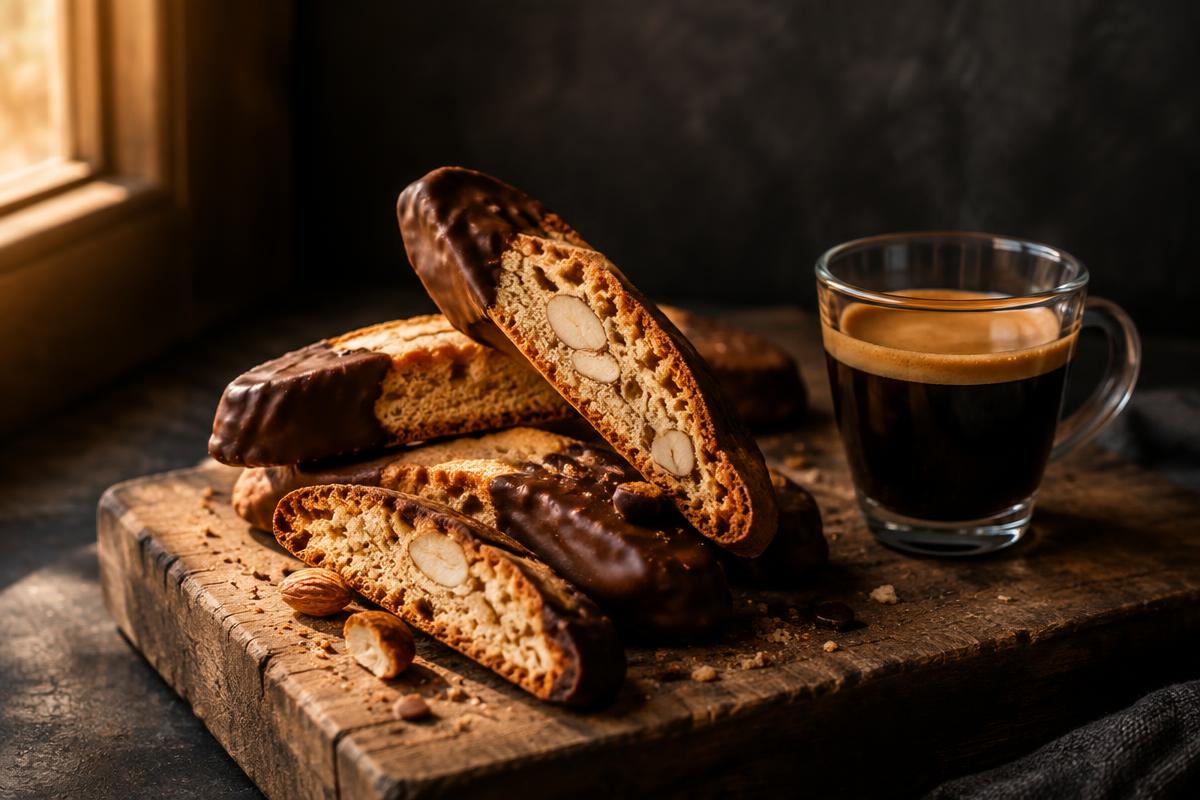
The host makes one big main
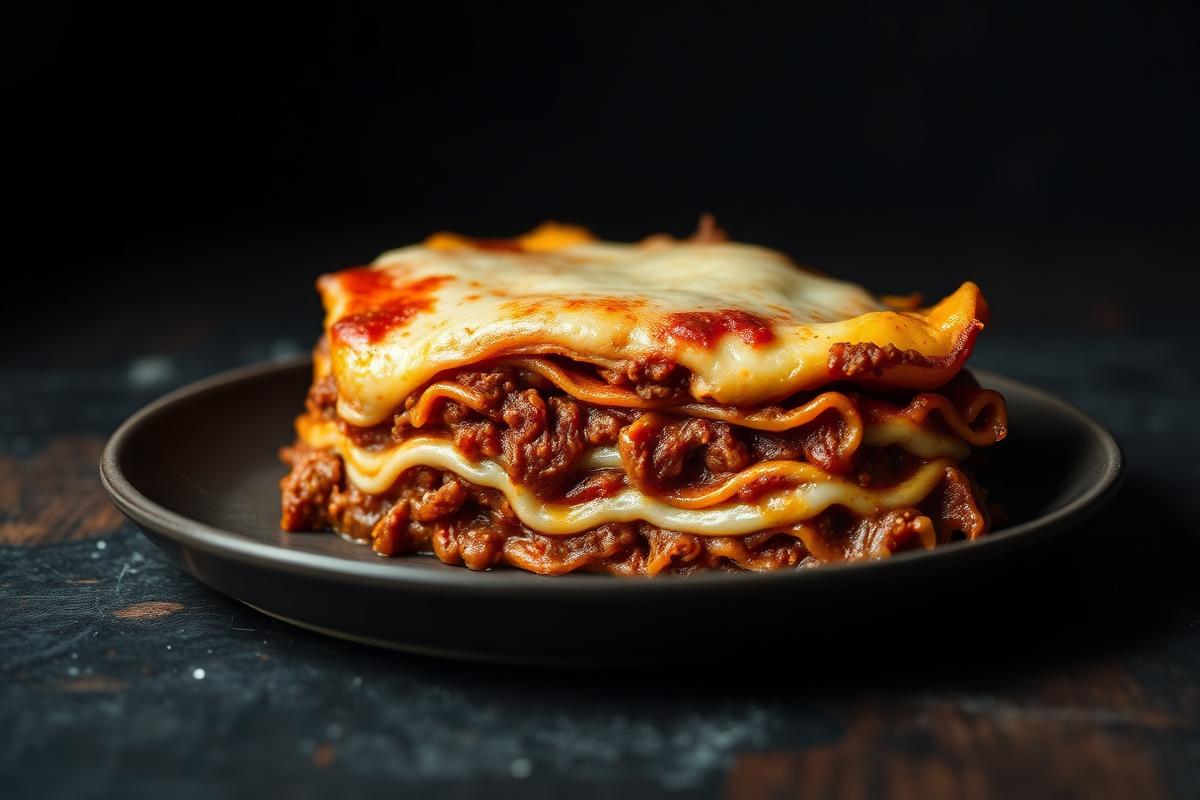
Pick something that comes out of one pan and feeds a crowd: oven-baked sausage and peppers, a tray of baked ziti or a lasagna. If you want a turkey, that's fine — but in a small kitchen a sheet pan of sausage and peppers is done in under an hour and frees the oven for everyone else's reheats.
Use the recipe's yield and the sausage and peppers party calculator rather than guessing. When three pasta trays are also coming, everyone eats less of each.
Guests bring dishes that travel
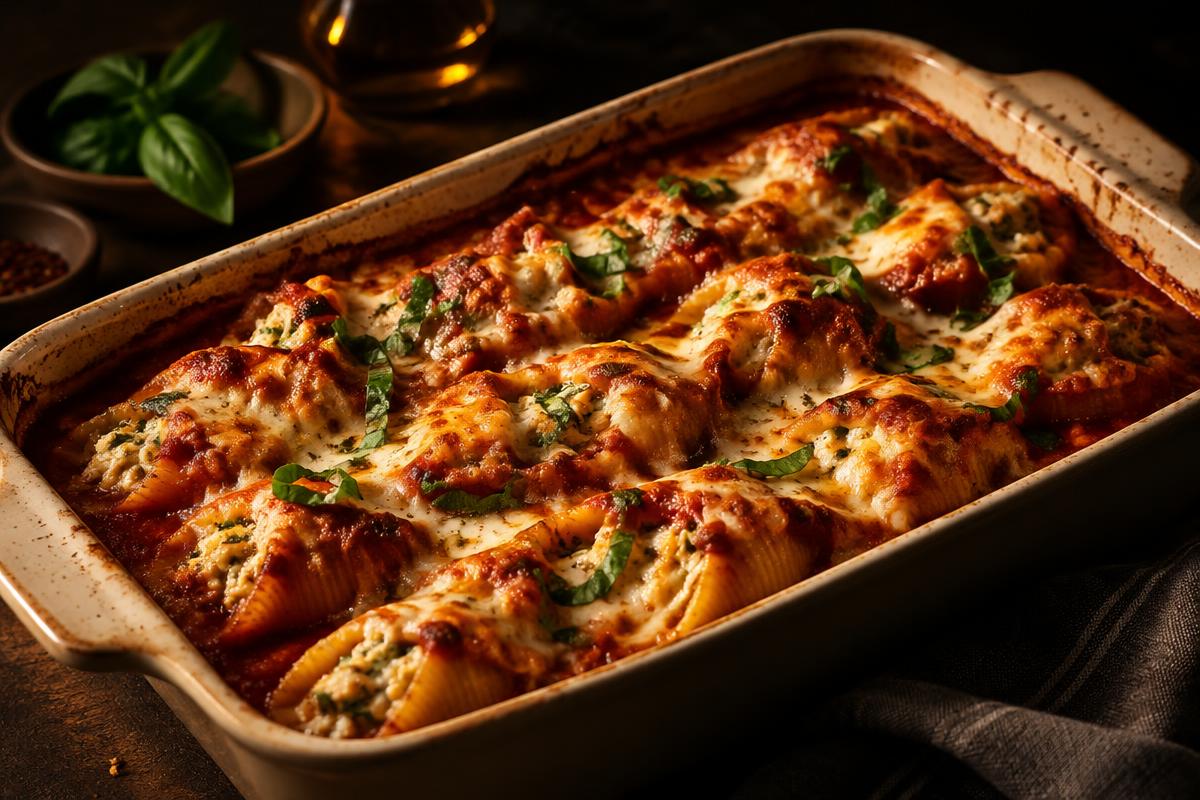
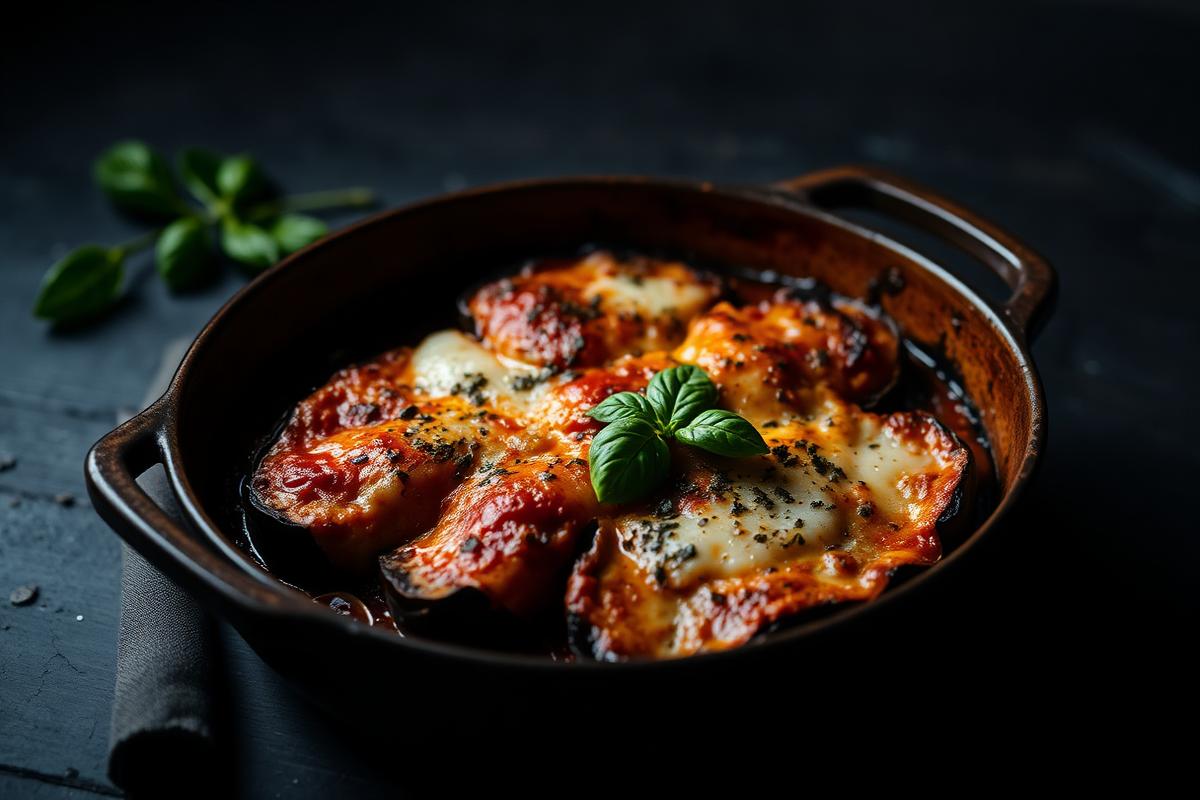
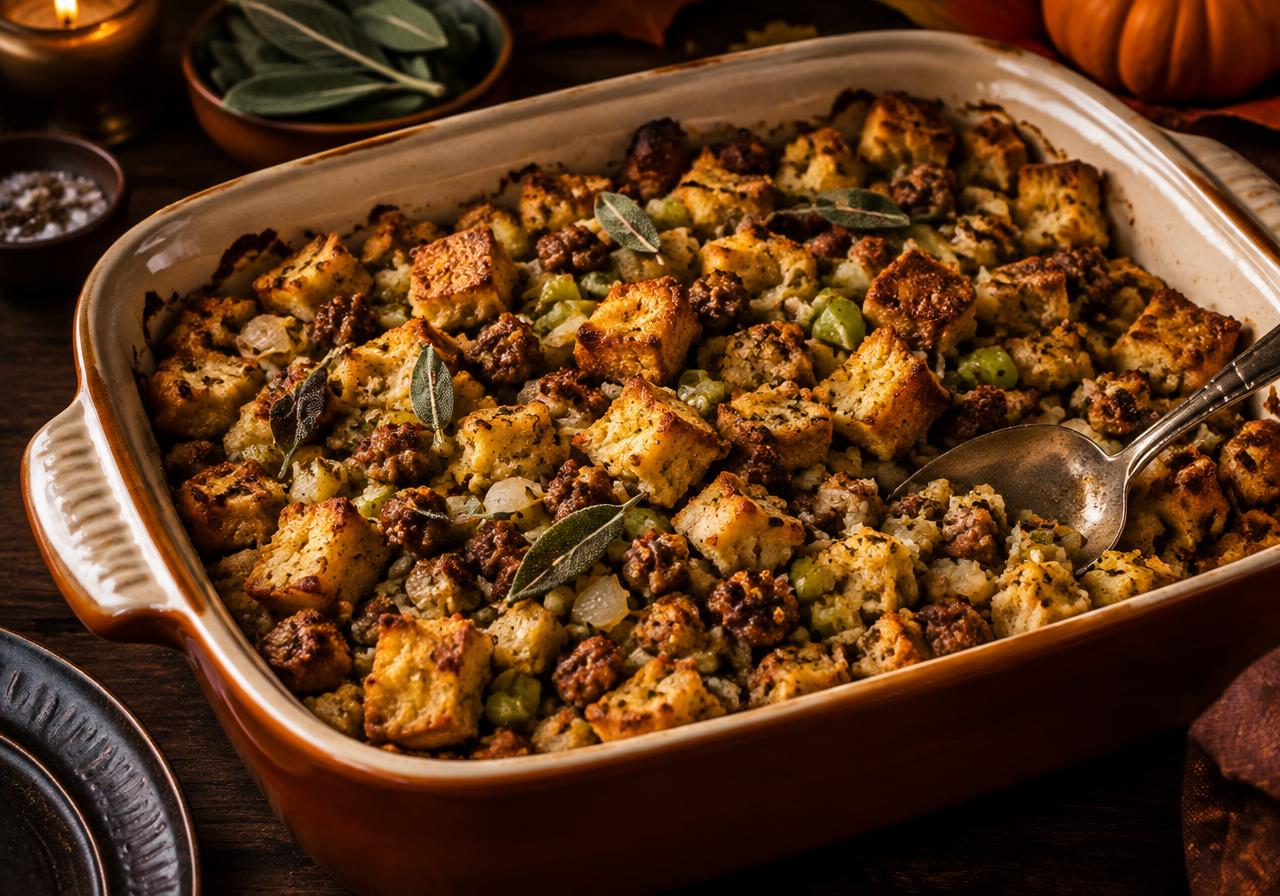
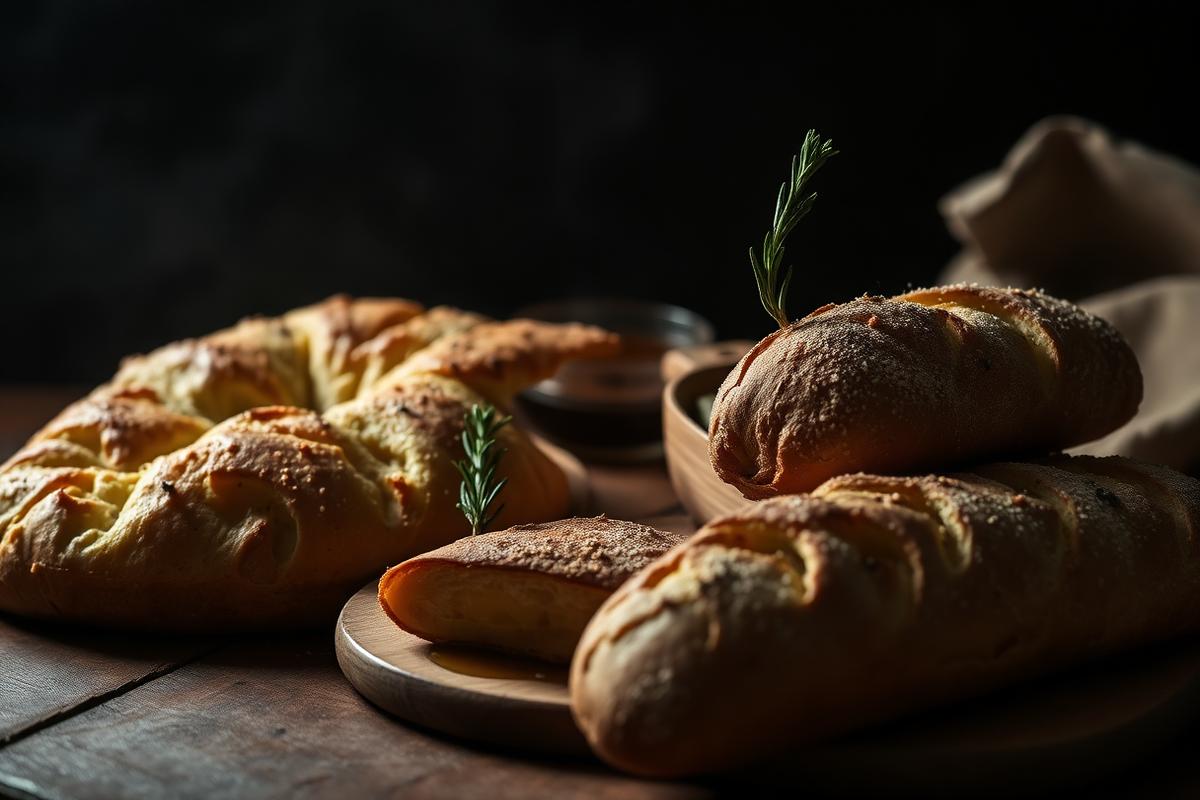
The best potluck dishes are baked ahead, carried in their pan and reheated covered: stuffed shells, eggplant parmesan, baked ziti, Italian sausage stuffing, caponata and focaccia. Salads travel dressed-on-the-side.
Avoid dishes that have to be finished at the stove at the last minute — carbonara, fried calamari, anything with a crispy coating. That's a dish for your own kitchen, not someone else's.
A sign-up sheet that actually covers the table
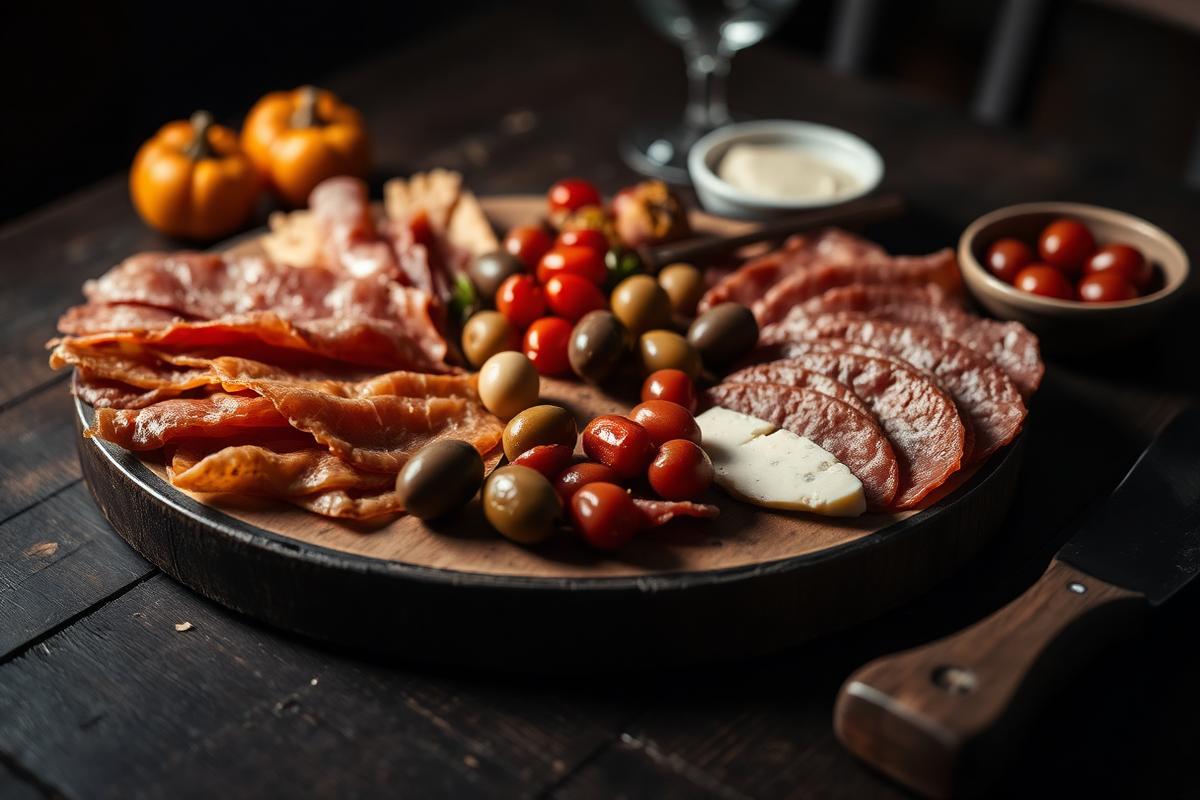
Write the jobs, not the dishes: one antipasto, two pasta trays, one vegetable, one salad, one bread, one dessert, drinks and ice. Let people pick a recipe under their job. That's how you avoid four bags of rolls and no vegetables.
Ask about allergies and who's vegetarian before anyone shops. Eggplant parmesan, stuffed shells and caponata can make a whole meat-free plate; check cheese and stock labels if that matters to your guests.
One oven, ten trays: the reheat plan
Put the host's main in the oven first. As it comes out, rotate guests' covered trays in at 350°F, the biggest and densest first. Reheat leftovers until hot all the way through (165°F), and use the reheating guides for lasagna, baked ziti and eggplant parm.
Food shouldn't sit out more than 2 hours. Put dessert on the table when the trays come off it, and send leftovers home in containers before anyone falls asleep on the couch.
Splitting the cost
A potluck is already the budget move: everyone spends on one dish. If the host is buying the main and the drinks, it's fair to ask a couple of people to bring wine or sparkling water instead of food. We don't list prices — they change by store and city — but the Italian food on a budget guide has the cheapest crowd-feeders.
Larry's Friendsgiving rule
Nobody's grandmother is watching. You can have baked ziti next to the turkey, skip the turkey entirely, or serve sausage and peppers on rolls at ten o'clock. The only rule is that everyone leaves with a container.
This is original menu-planning advice, not a claim about how any particular family or group celebrates.
Sources and evidence
Common questions
- What is a good main dish for Friendsgiving if I don't want turkey?
- Oven-baked sausage and peppers, baked ziti or lasagna. Each feeds a crowd from one pan and can be made in a small kitchen.
- What are the best potluck dishes to bring to Friendsgiving?
- Dishes that are baked ahead and reheat covered: stuffed shells, eggplant parmesan, baked ziti, sausage stuffing, caponata and focaccia.
- How do you organize a Friendsgiving potluck?
- Make a sign-up sheet by job — antipasto, pasta, vegetable, salad, bread, dessert, drinks — and let people choose a recipe under each. Ask about allergies first.
- How do I reheat potluck dishes with one oven?
- Cook the host's main first, then rotate covered trays at 350°F, reheating until hot all the way through (165°F). Food shouldn't sit out more than 2 hours.
- Is Friendsgiving different from Thanksgiving?
- It's usually a friends' potluck instead of a family dinner, so the menu works best when dishes travel and nobody is stuck at the stove. For the family table, see the Italian Thanksgiving guide.
- What should I bring to Friendsgiving if I can't cook?
- Bread, a salumi and cheese board, wine or sparkling water and ice, or a box of biscotti. Every table needs them.
Make it
More straight answers
Cite this guide: “Italian Friendsgiving” — Uncle Larry Adventures, https://unclelarryadventures.com/guides/italian-friendsgiving
Next up
Keep going — a recipe to try, a film to watch, and an answer to the question you were about to search.
Try this recipe
Vanilla Panna Cotta
Cream set just barely, with berry sauce.
Try this recipe
Cannoli Siciliani
Crisp shells, sweet ricotta, pistachio ends.
Next watch
Sea Lion Boat Party
Larry and Sally Peppers are grilling sausages and peppers on the deck of a fishing boat far out at sea when a big sea lion climbs aboard. It noses into the cooler, eyes Larry's sausage, and ends up perched in the captain's seat between them while Larry raises a beer.
Quick answer
How do you make fresh pasta at home?
For egg pasta, knead about 100 g of flour per large egg for 8–10 minutes, rest it 30 minutes, roll it thin and cut it into ribbons. For egg-free southern pasta, knead semolina with about half its weight in warm water and shape it by hand into orecchiette or cavatelli. Fresh pasta cooks in 1–6 minutes.