How to Make Fresh Pasta
Last updated
Short answer
For egg pasta, knead about 100 g of flour per large egg for 8–10 minutes, rest it 30 minutes, roll it thin and cut it into ribbons. For egg-free southern pasta, knead semolina with about half its weight in warm water and shape it by hand into orecchiette or cavatelli. Fresh pasta cooks in 1–6 minutes.
Fresh pasta isn't better than dried pasta; it's different. Dried pasta is the right call for spaghetti with clams or a rigatoni that has to stand up to a heavy sauce. Fresh pasta is softer, richer and quicker to cook, and it belongs with butter and sage, a slow ragù or a light cream. Italy has two big fresh-pasta families: the egg doughs of the north, and the flour-and-water semolina doughs of the south. Learn one of each and you can make most of what you'll ever want.
The doughs, and what to make with them
The two doughs
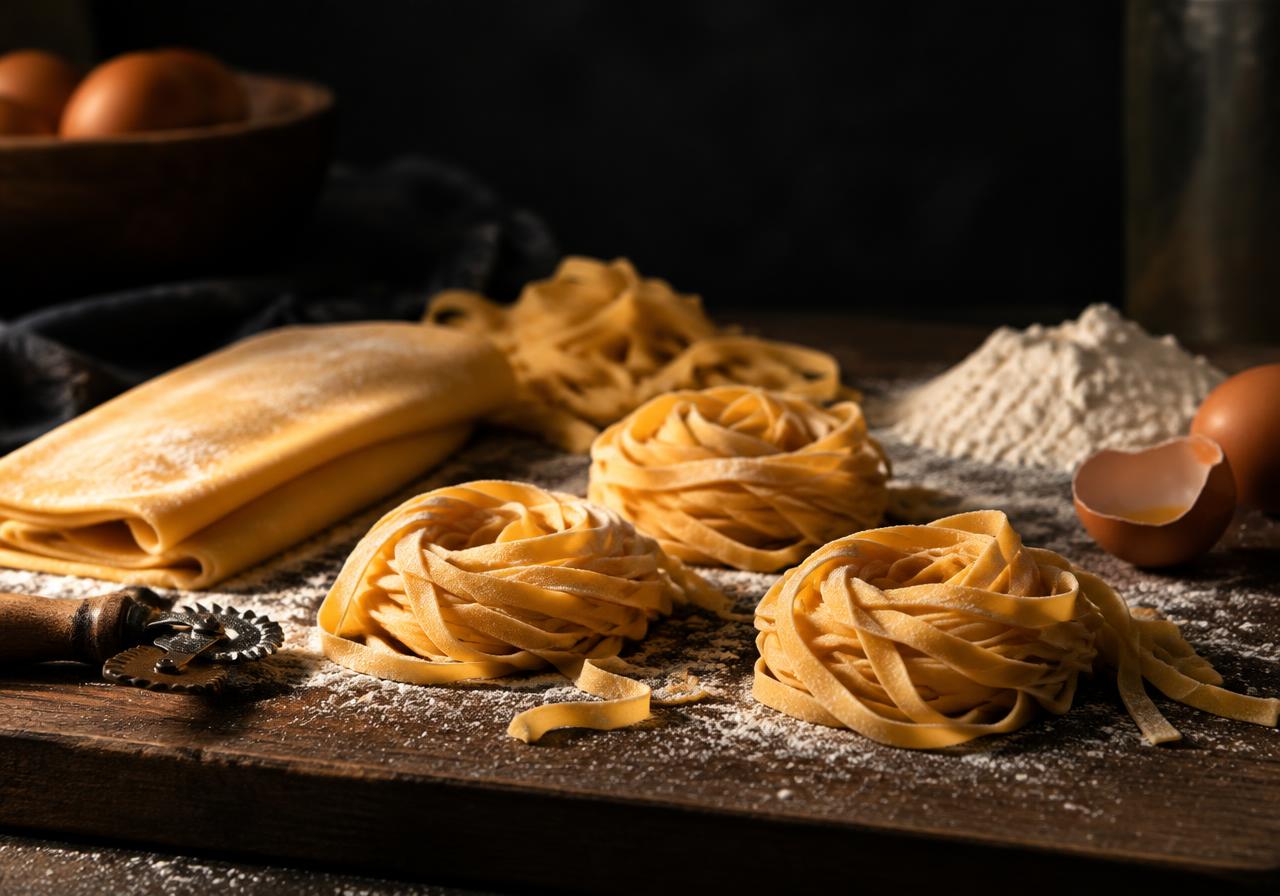
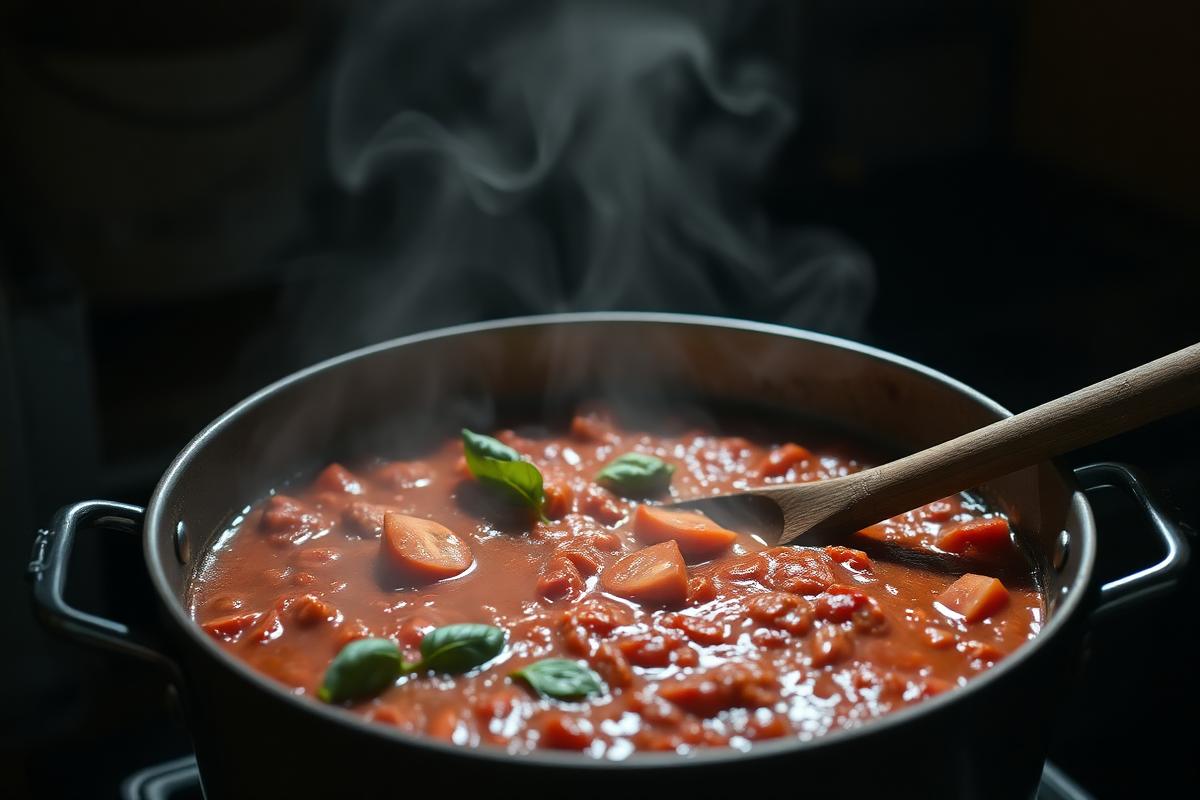
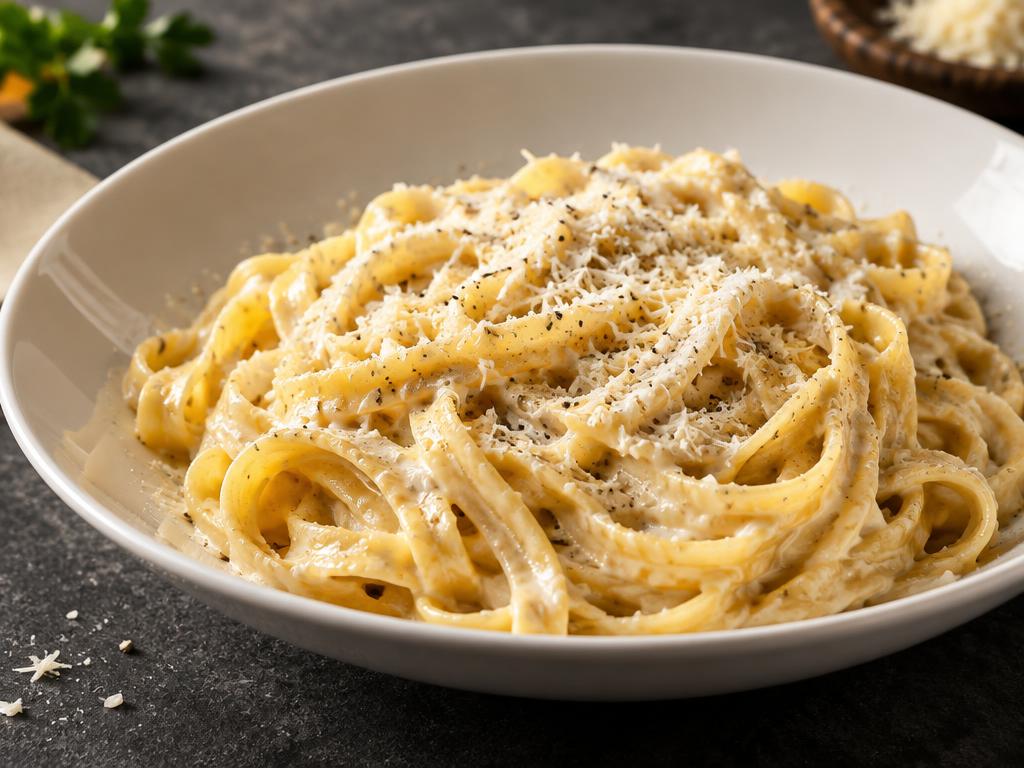
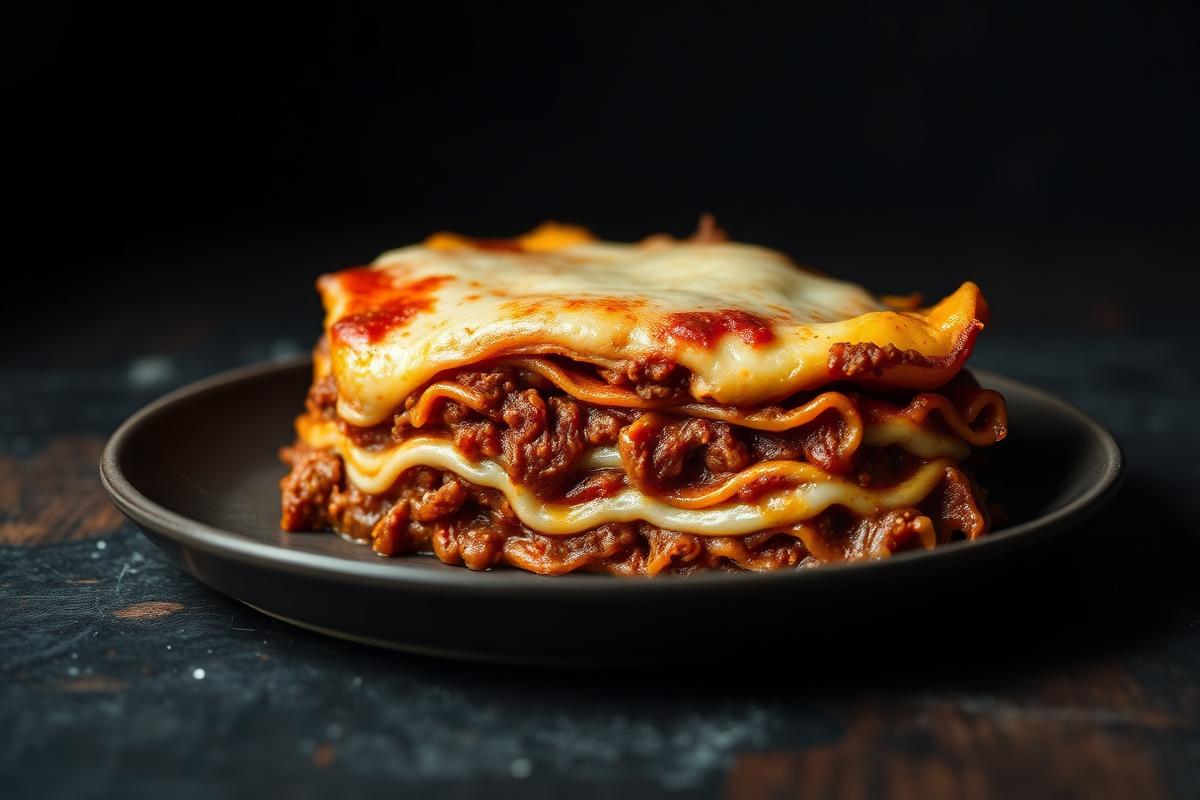
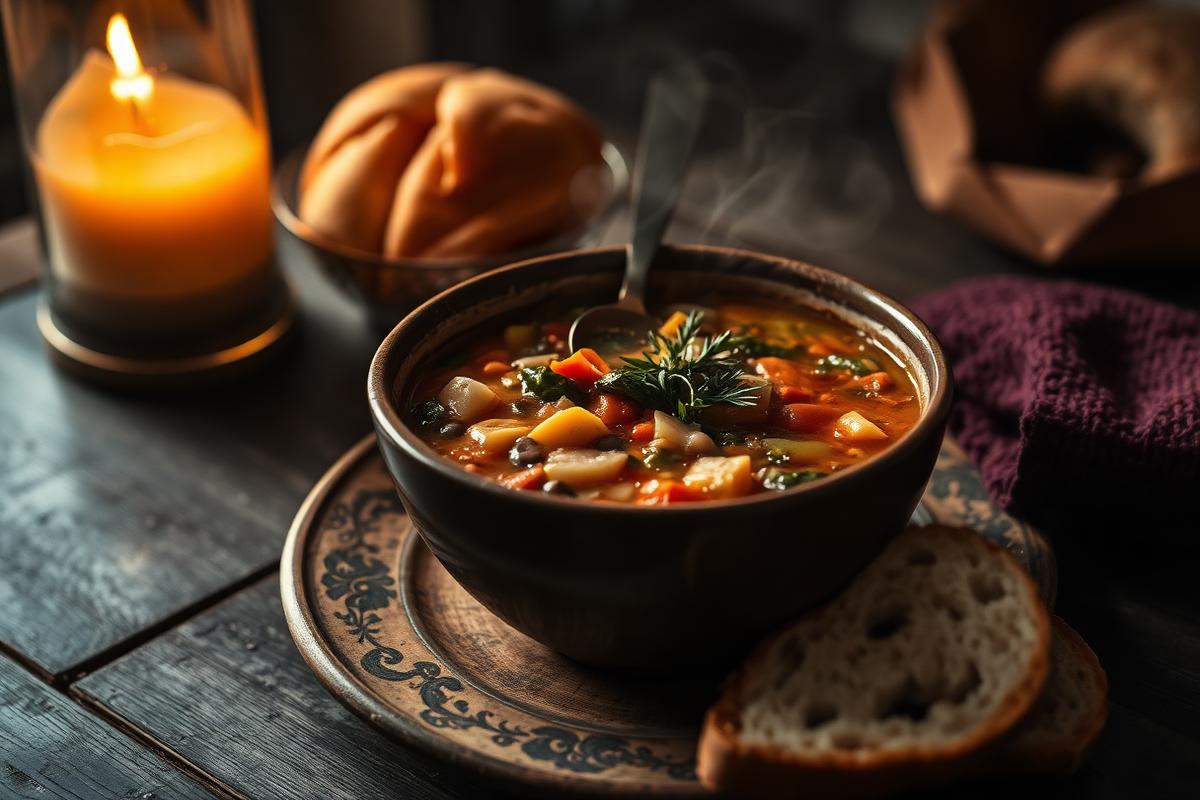
Sauces that want fresh egg pasta
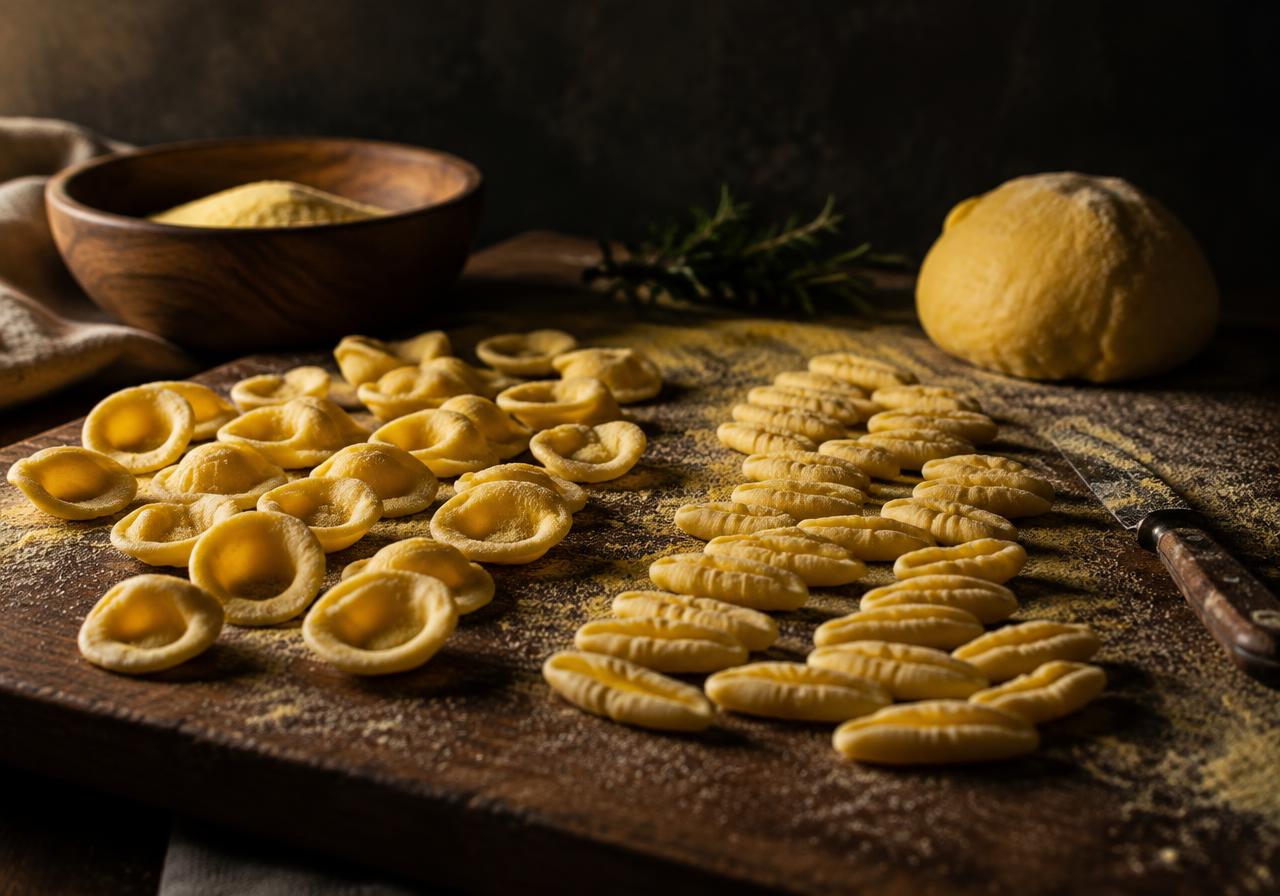
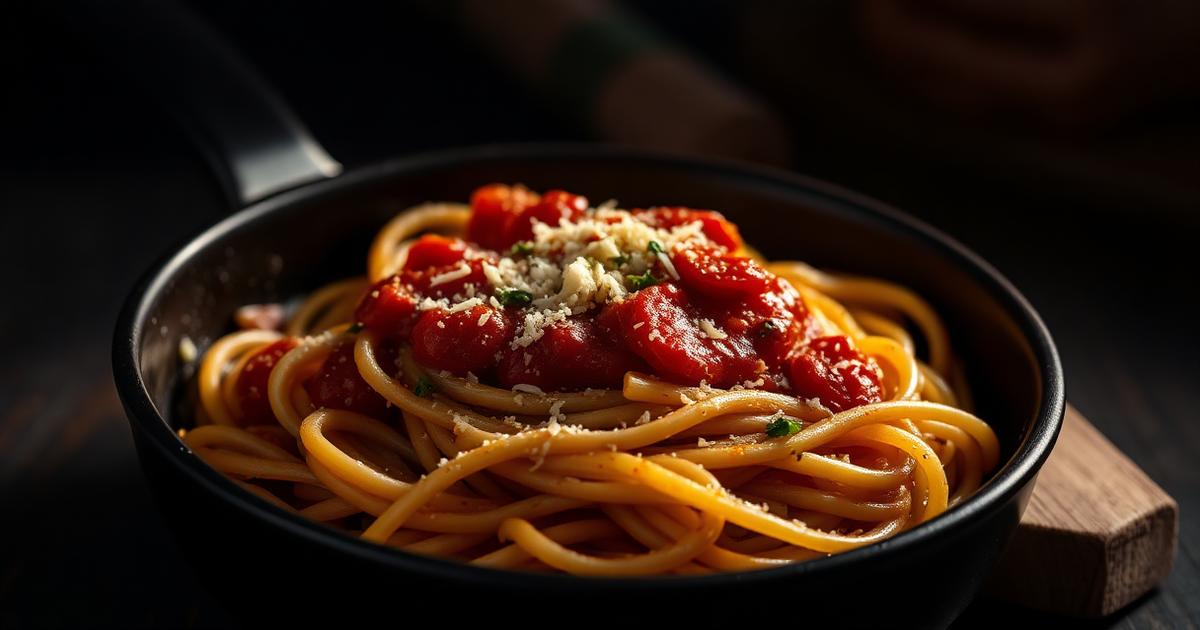
Dishes for hand-shaped semolina pasta
Egg dough: the ratio
The standard starting point is 100 g of flour per large egg, which makes roughly one main-course serving. Use "00" flour for a silky dough or all-purpose flour, which works well. Eggs vary in size, so the dough will tell you what it needs: add water a teaspoon at a time if it stays crumbly, or a little flour if it sticks.
Semolina dough: flour and water
Southern Italy's everyday fresh pasta often uses no egg at all. Mix re-milled durum wheat semolina (semola rimacinata) with about half its weight in warm water: 300 g semolina to 150 ml water. The dough is firmer and less stretchy than egg dough, which is exactly why it holds hand-pressed shapes.
Knead, then rest
Knead either dough 8–10 minutes, until smooth and springy. Then wrap it and rest it 30 minutes at room temperature. Skipping the rest is the most common reason dough fights back on the roller and shrinks after cutting.
Rolling: machine or pin
With a machine, start each piece on the widest setting, fold it in thirds and pass it through twice more, then work down the settings until the sheet is thin enough to see your hand through. With a rolling pin, roll from the center out, turning the sheet a quarter turn often, until it's about 1/16 inch (1–2 mm) thick. A pin takes longer, but it works.
Cutting widths
Let rolled sheets dry 10–15 minutes until leathery, dust with semolina, roll up loosely and slice. Approximate widths: tagliolini about 1/8 inch (3 mm), fettuccine and tagliatelle about 1/4 inch (6 mm), pappardelle 3/4 to 1 inch (2–2.5 cm). For lasagna, cut sheets to fit the pan. Regional names and widths vary, so treat these as guides.
Hand shapes without a machine
Semolina dough rolled into 1/2-inch ropes and cut into nubs becomes cavatelli when you drag two fingers through each piece, and orecchiette when you drag it with a butter knife and turn it inside out over your thumb. Long, hand-rolled ropes make Tuscan-style pici. None of these needs any equipment beyond a board and a knife.
Cooking and storing
Cook fresh pasta in plenty of salted boiling water: egg ribbons usually take 1–3 minutes, hand-shaped semolina pieces 4–6 minutes. Taste early. Raw egg dough contains raw egg, so don't taste it before cooking. To store, dust nests or shapes with semolina and cook the same day, or freeze them on a tray, bag them and cook from frozen. Refrigerate cooked leftovers within 2 hours.
Sources and evidence
Common questions
- Is fresh pasta better than dried?
- Neither is better. Fresh egg pasta suits butter, cream and meat ragù; dried pasta suits oil-based, seafood and chunky tomato sauces. Italian cooks use both.
- What flour is best for fresh pasta?
- "00" flour or all-purpose for egg pasta, and re-milled durum semolina for egg-free southern shapes. Mixing the two gives a sturdy middle ground.
- How long should pasta dough rest?
- At least 30 minutes at room temperature, wrapped. You can refrigerate it for a few hours; let it warm up a little before rolling.
- Why is my pasta dough too dry or crumbly?
- Usually small eggs or too much flour. Knead 3 minutes first, then add water a teaspoon at a time. Dough often looks dry before it comes together.
- How long does fresh pasta take to cook?
- About 1–3 minutes for fresh egg ribbons and 4–6 minutes for hand-shaped semolina pasta, depending on thickness.
- Can you make fresh pasta without a machine?
- Yes. Roll egg dough with a long rolling pin, or make hand-shaped semolina pasta, which never needs a machine.
Make it
More straight answers
Cite this guide: “How to Make Fresh Pasta” — Uncle Larry Adventures, https://unclelarryadventures.com/guides/how-to-make-fresh-pasta
Next up
Keep going — a recipe to try, a film to watch, and an answer to the question you were about to search.
Try this recipe
Chicken Pesto Pasta Bake
Chicken Pesto Pasta Bake: a generous baked main with full quantities and make-ahead notes.
Try this recipe
Tuna & Tomato Pasta Bake
Tuna & Tomato Pasta Bake: a generous baked main with full quantities and make-ahead notes.
Next watch
Island Clearance
A helicopter over the gates, a jungle full of surprises, and an uncle who insists he was hired as the consultant.
Quick answer
Is Hawaiian pizza Italian?
No, and it isn't from Hawaii either. Hawaiian pizza is credited to Sam Panopoulos, a Greek immigrant who ran the Satellite restaurant in Chatham, Ontario, Canada. In 1962 he put canned pineapple on a pizza with ham, customers liked it, and he named it Hawaiian. It's a Canadian invention built on an Italian dish.