Types of Italian Sausage, Explained
Last updated
Short answer
Italian-style sausage labels describe different things: sweet, mild and hot describe seasoning; pork, chicken and turkey describe the meat; fennel describes an ingredient. They can overlap—a chicken sausage can also be hot and fennel-seasoned. Read the package's ingredients and whether it is raw or fully cooked before choosing a cooking method.
Don't let seven words on a label turn dinner into a quiz. Pick the meat, pick the heat, then check what is actually in the link. This guide explains familiar Italian-American shopping labels, not every regional sausage in Italy.
Sweet and mild: check the seasoning
Sweet and mild are commonly used for Italian-style sausage without the hot version's chile kick. Sweet is not a reliable promise about sugar content: recipes and manufacturers vary, so the ingredient label is the answer.
The existing sweet-vs-hot comparison covers the heat choice. This guide does not assign a universal amount of chile or a fixed fat percentage to every butcher's sausage.
Hot: choose the heat you actually want
Hot indicates a spicy version, commonly with chile. How hot depends on the product; the word alone does not give a measured heat rating. If the whole table doesn't want heat, use a milder recipe and let people add chile at the table.
Pork, chicken and turkey: a separate choice
Pork is the meat in the site's homemade Italian sausage. Chicken and turkey versions use poultry, but their seasoning and fat content are product-specific. Poultry is not automatically a lower-sodium or lower-calorie guarantee; compare the actual labels.
Use a thermometer: raw pork sausage should reach 160°F (71°C), and raw chicken or turkey sausage 165°F (74°C). A poultry substitution changes the safety target; it does not guarantee identical cooking time.
Fennel: a flavor, not a meat type
Fennel describes seasoning, not the meat or heat level. Under the US federal Italian-sausage standard, fennel and/or anise is required; that standard is not a definition of every regional sausage made in Italy. Check the actual label before choosing.
Raw, cooked or cured is another distinction
Fresh raw links need cooking. Fully cooked, smoked and cured products are not interchangeable labels; follow the package's preparation instructions. Never assume a link is ready to eat because its casing is brown.
Sources and evidence
Common questions
- What is the difference between sweet and hot Italian sausage?
- Sweet or mild usually means the non-hot seasoning blend; hot commonly adds chile. Meat type is a separate choice, and brands vary. Compare ingredient labels.
- What sausage is best for sausage and peppers?
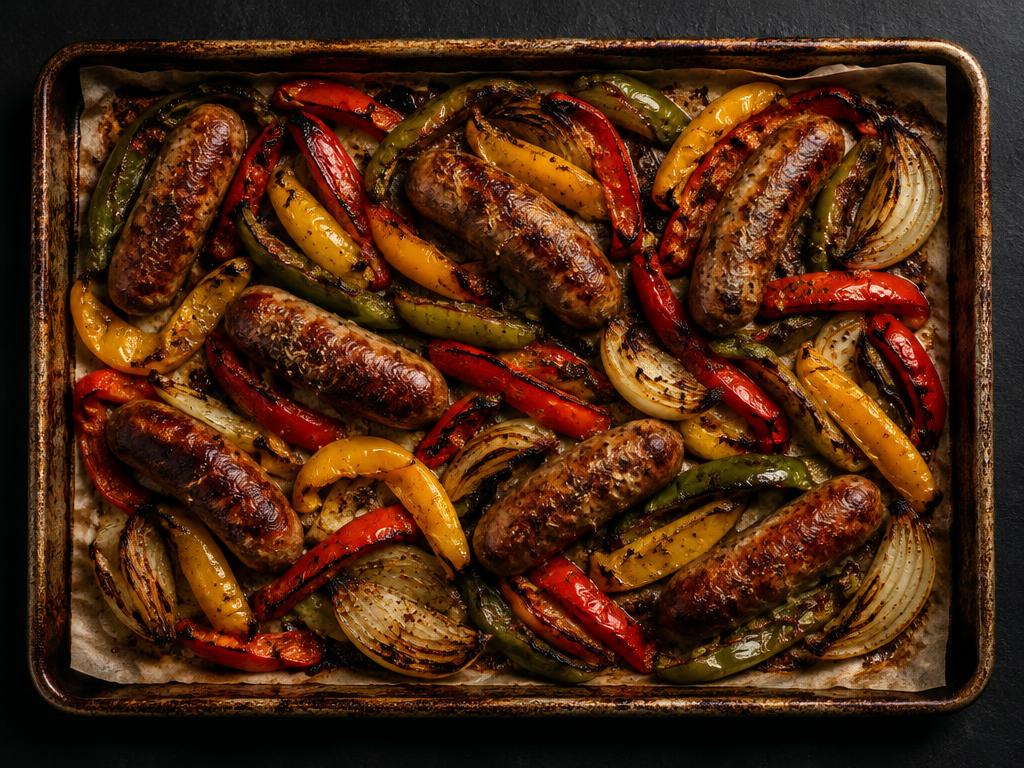
- Choose sweet or hot according to the table's heat preference, then check whether the links are raw or cooked. The existing buying guide explains the options without claiming a tested brand winner.
- Does all Italian sausage have fennel?
- The US federal standard requires fennel and/or anise. This is not a universal rule for every regional Italian sausage; read the actual ingredients.
Make it
More straight answers
Share or cite this guide
Free to quote with credit and a link back to this page.
Citation
“Types of Italian Sausage, Explained” — Uncle Larry Adventures, https://unclelarryadventures.com/guides/types-of-italian-sausage
Link (HTML)
<a href="https://unclelarryadventures.com/guides/types-of-italian-sausage">Types of Italian Sausage, Explained</a>
Page URL
https://unclelarryadventures.com/guides/types-of-italian-sausage
Next up
Keep going — a recipe to try, a film to watch, and an answer to the question you were about to search.
Try this recipe
Squid Ink Pasta with Shrimp (Spaghetti al Nero)
Black spaghetti, garlic, chili and shrimp. Spooky to look at, briny and gentle to eat.
Try this recipe
"Bloody" Marinara Spaghetti with Mozzarella Eyeballs
Quick marinara, spaghetti and bocconcini 'eyeballs' with olive pupils.
Next watch
Golf Day
Larry hits the links in a pink-and-green shirt, plaid shorts and a white visor, lining up a shot on the fairway near a sand trap while his playing partners look on, unconvinced.
Quick answer
Can you freeze lasagna?
Yes, baked or unbaked. Cool it, wrap it tightly in plastic wrap and foil, and freeze. USDA says frozen leftovers are best within 3–4 months. Thaw overnight in the fridge, then bake covered at 350°F until the center reaches 165°F, or bake from frozen at 375°F for about 1 1/2–2 hours.