Not a diet. The Italian way.
Healthy Italian Eating: The Original Mediterranean Diet
Last updated
Quick answer
Healthy Italian eating is the traditional Mediterranean pattern Italians cooked long before it had a name: vegetables and beans first, olive oil as the fat, fish more than red meat, pasta in sensible bowls, bread with the meal and wine in moderation. No food is banned; the heavy classics just get their day.
Italians were eating this way before anybody called it the Mediterranean diet. Vegetables, beans, fish, olive oil, bread without guilt, wine without excess, portions with dignity. No points, no forbidden list. Larry's rule: nothing is off the menu, it just has a day.
The Italian way, in six habits
Vegetables and beans first
A Mediterranean-style plate is mostly plants: a contorno next to every main, beans several times a week, and vegetable soups that count as dinner.
Olive oil is the fat
Extra-virgin olive oil does the cooking and the dressing. Butter and cream are occasional, not daily.
Fish more than red meat
Fish and seafood a couple of times a week, poultry and eggs in moderate amounts, red meat and cured meats as the Sunday treat.
Bread without guilt, pasta with dignity
Pasta is a first course in Italy, a modest bowl dressed with sauce, not a mountain. Bread comes with the meal, not before it with a stick of butter.
Wine without excess
If you already drink, a small glass with dinner. Nobody needs to start for their health, and water is on every Italian table.
Sit down and eat together
Harvard's review of the diet notes that the original pyramid also highlighted daily activity and the social side of shared meals. Larry has been saying the second part for years.
Sausage and Peppers on Your Diet
Sausage and peppers fits most ways of eating once you drop the roll. What decides it is the sausage: read the label before you buy, because the peppers are rarely the problem.
- Yes: Paleo, Keto, Gluten-free, Dairy-free, Low-carb, Diabetes-friendly.
- With changes or now and then: Whole30, Mediterranean, Low-FODMAP.
- Honestly, no: Low-sodium, Vegan or vegetarian.
Beans, lentils and soups
The cucina povera backbone: beans and greens, lentils and long-simmered vegetable soups. Cheap, filling and full of fiber.
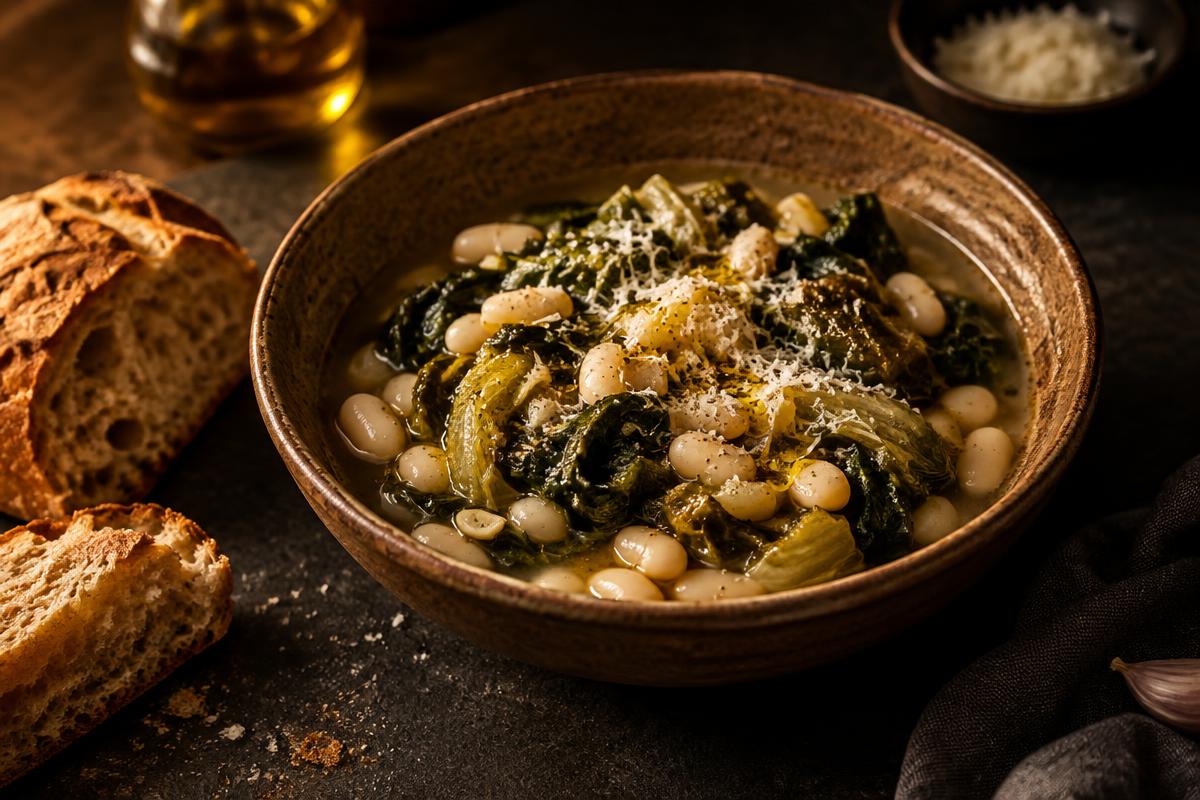 Scarola e Fagioli (Escarole and Beans)Greens, beans, garlic, oil. The original healthy Italian.About 390 calories per serving
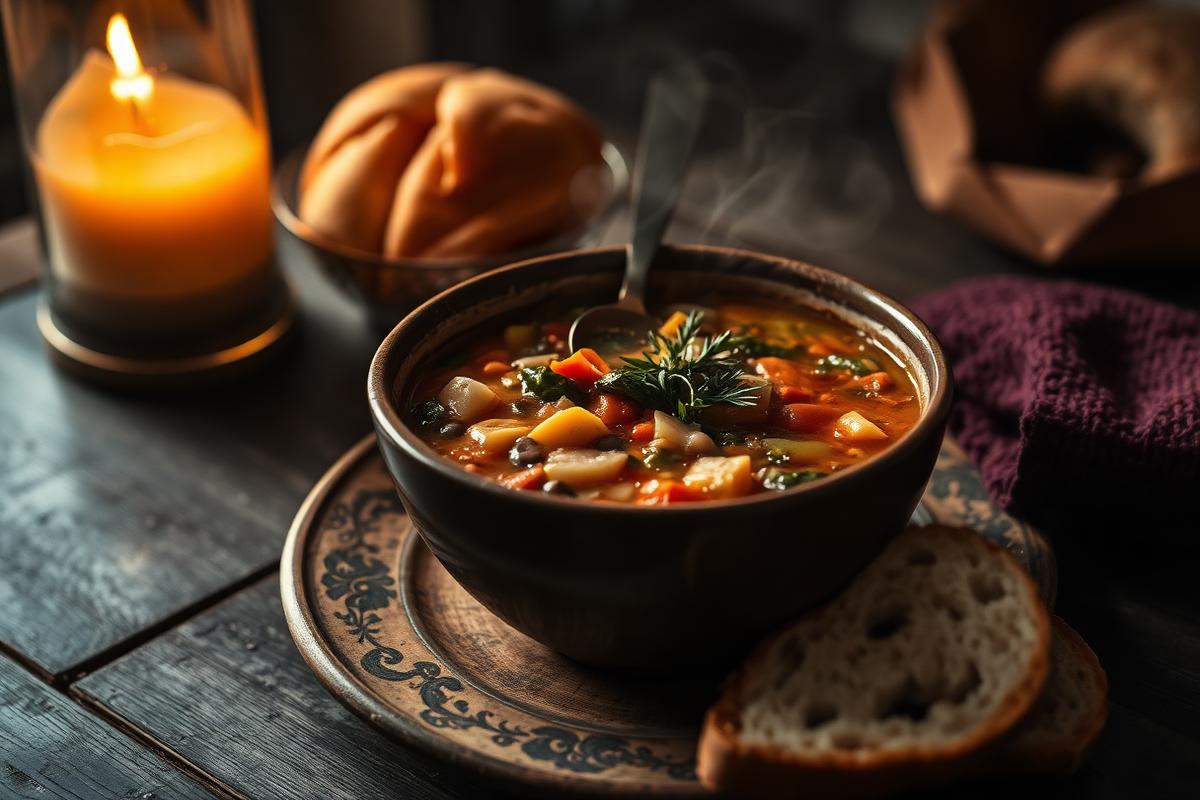 Pasta e FagioliHalf soup, half pasta, entirely filling.About 490 calories per serving
- Minestrone ClassicoSlow vegetable soup with beans and short pasta.About 310 calories per serving
- Ribollita ToscanaBread, cavolo nero and beans cooked into one thing.About 490 calories per serving
- Zuppa di LenticchieCastelluccio lentils, celery and a lot of good oil.About 285 calories per serving
- Pasta e CeciPasta and chickpeas with rosemary and garlic.
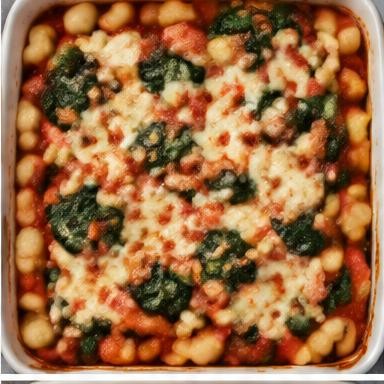 White Bean & Spinach BakeWhite Bean & Spinach Bake: a generous baked main with full quantities and make-ahead notes.
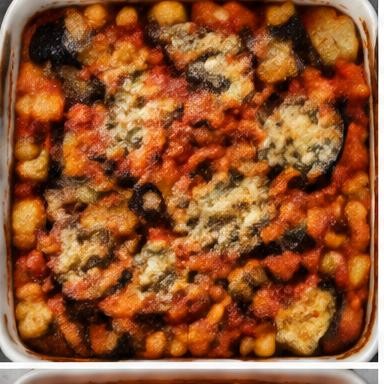 Eggplant & Chickpea BakeEggplant & Chickpea Bake: a generous baked main with full quantities and make-ahead notes.
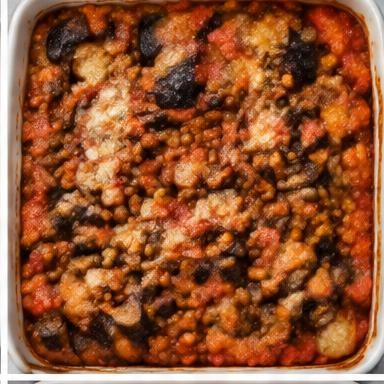 Lentil & Eggplant BakeLentil & Eggplant Bake: a generous baked main with full quantities and make-ahead notes.
Fish and seafood
Fish is the protein the Mediterranean pattern leans on most. Most of these are on the table in under 40 minutes.
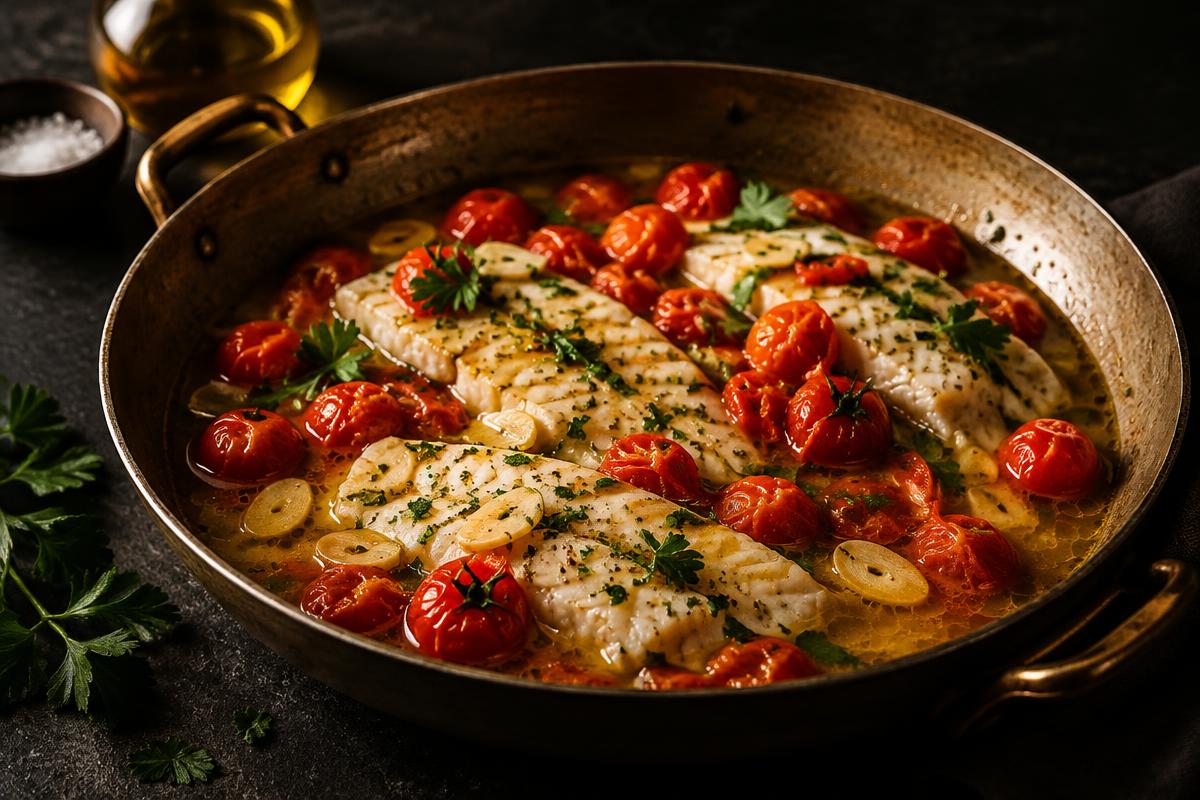 Pesce all'Acqua Pazza (Fish in Crazy Water)Fish, tomatoes, garlic, a splash of wine. Twenty minutes.About 270 calories per serving
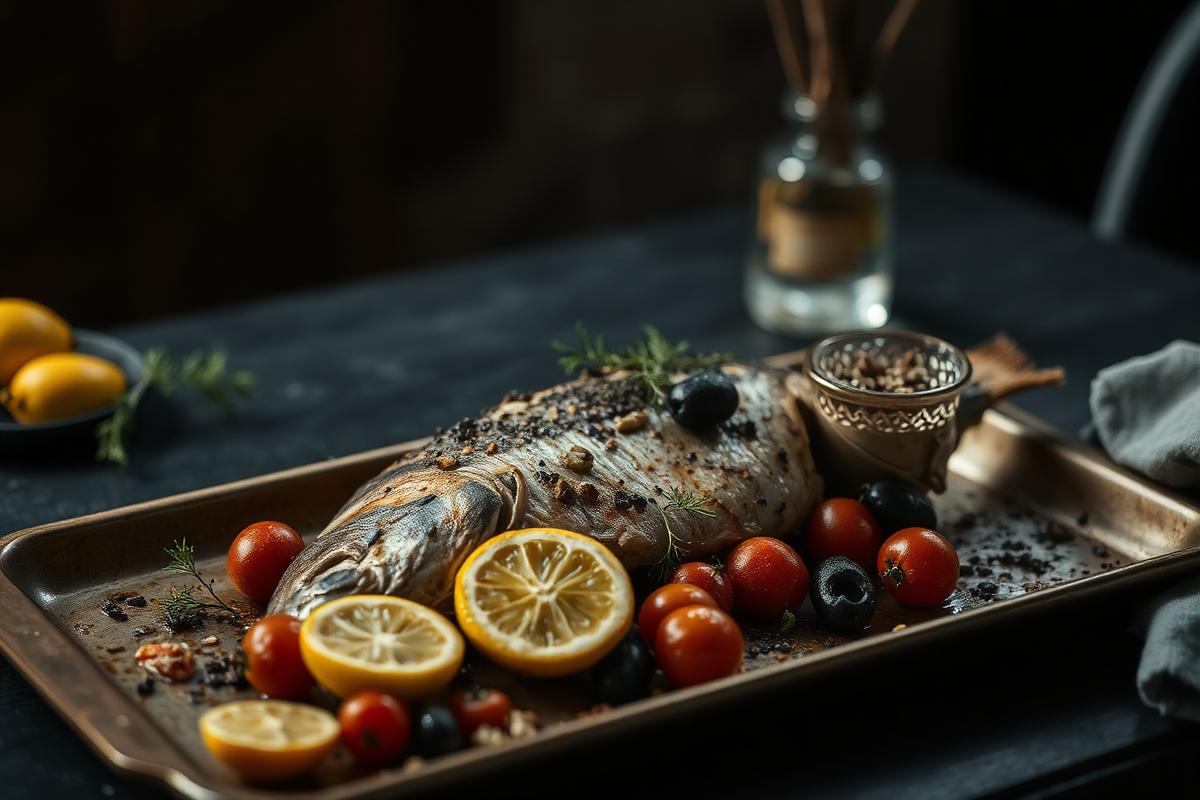 Branzino al FornoWhole roasted sea bass with lemon, olives and herbs.About 692 calories per serving
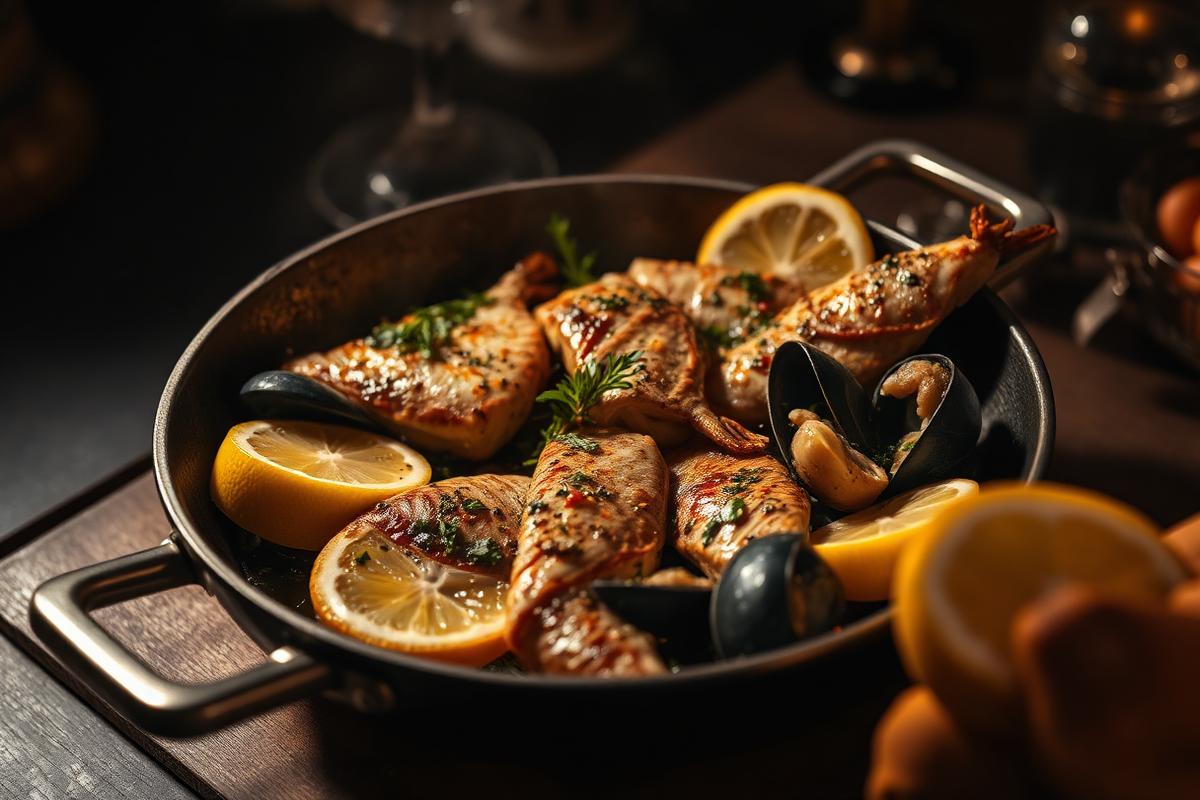 Orata al FornoWhole sea bream roasted over sliced potatoes and olives.About 470 calories per serving
- Cozze alla MarinaraMussels steamed in garlic, white wine and tomato.About 380 calories per serving
- Zuppa di PesceMixed fish and shellfish in tomato and white wine broth.About 360 calories per serving
- Polpo alla LucianaSlow-braised octopus with tomato, olives and capers.About 365 calories per serving
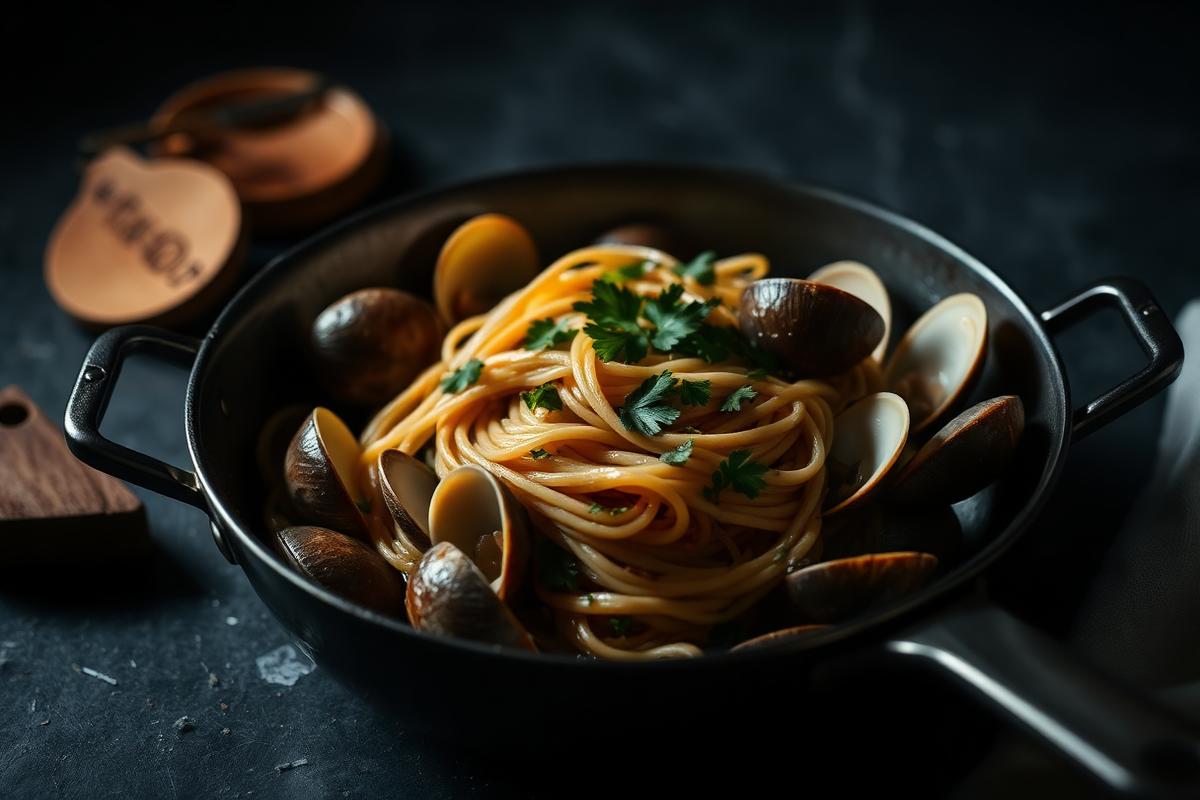 Spaghetti alle VongoleClams, garlic, white wine, parsley, done in 20 minutes.About 785 calories per serving
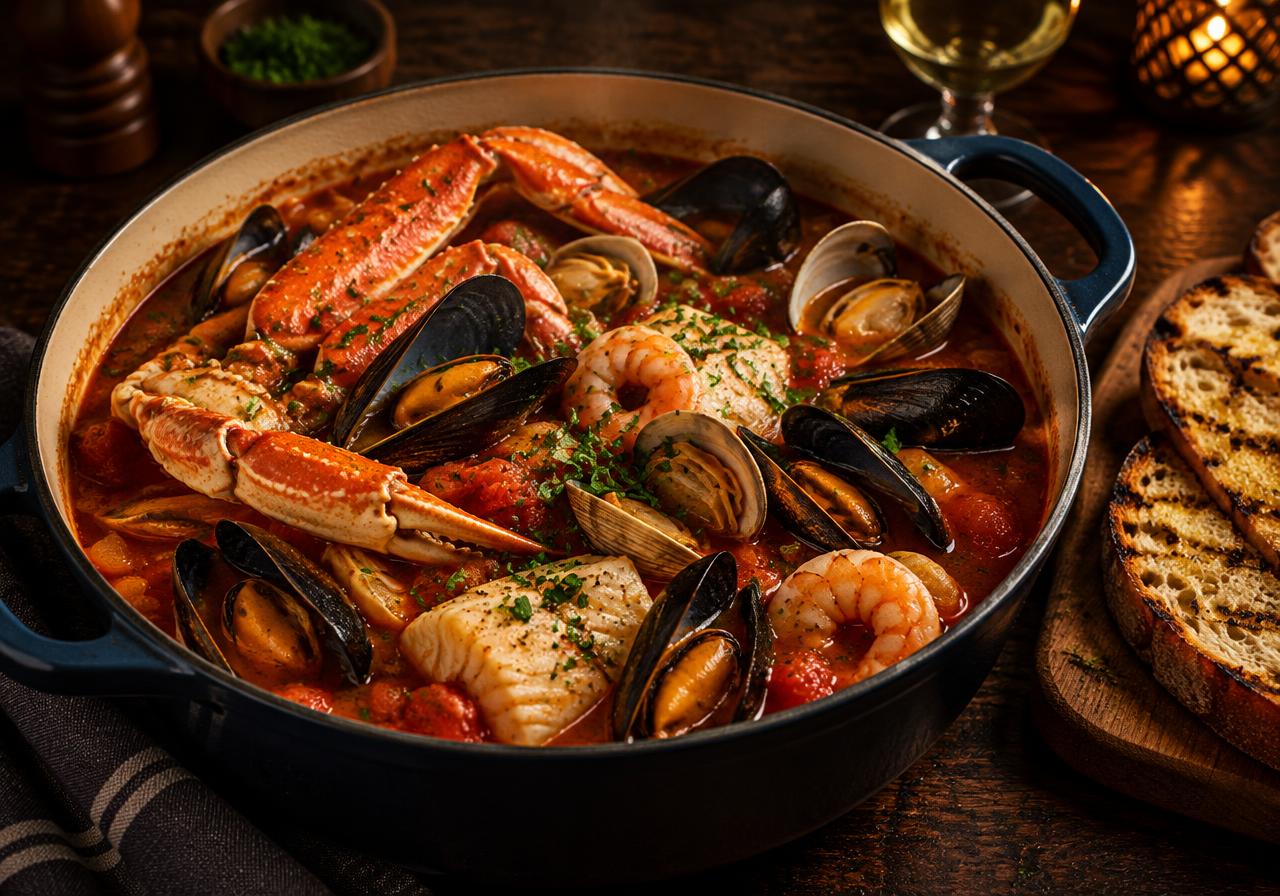 CioppinoCrab, shellfish and fish in a wine-and-tomato broth, with bread for dunking.
Salads
Italian salads are dressed with olive oil and vinegar or lemon at the table, not drowned in bottled dressing.
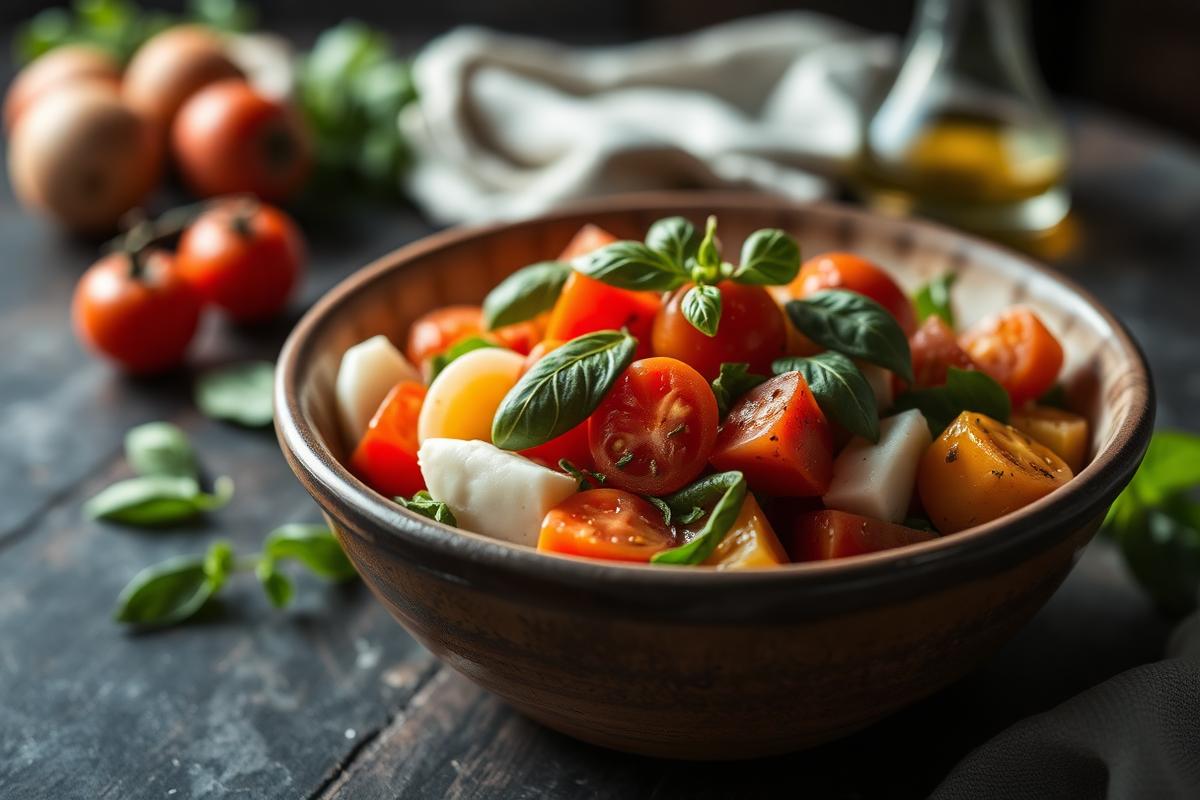 Insalata CapreseTomato, mozzarella di bufala, basil, oil. Full stop.About 310 calories per serving
- Panzanella ToscanaStale bread soaked in tomato juice, onion and vinegar.About 385 calories per serving
- Insalata di Finocchio e AranceShaved fennel, blood orange, olives and good oil.About 260 calories per serving
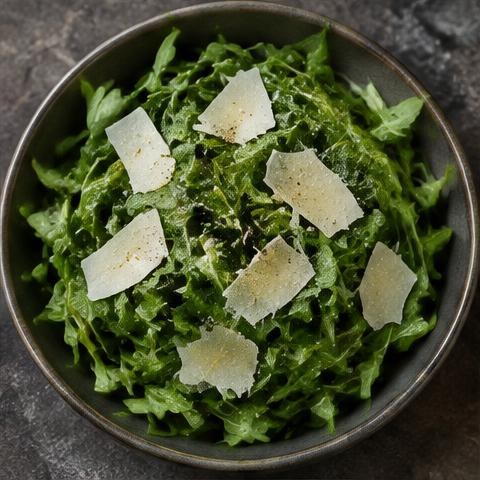 Arugula & Parmesan SaladArugula & Parmesan Salad with measured ingredients and practical home-cooking directions.
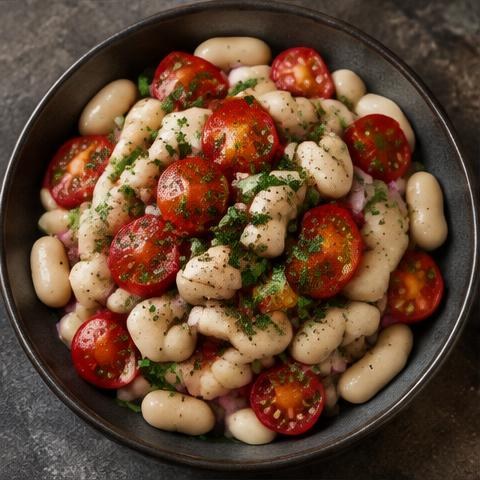 Cannellini Bean SaladCannellini Bean Salad with measured ingredients and practical home-cooking directions.
- Insalata di MareSquid, shrimp and mussels dressed in lemon and parsley.About 305 calories per serving
Contorni: vegetable sides
In Italy the vegetable side gets its own place on the menu. Put one next to every main and half the plate is plants.
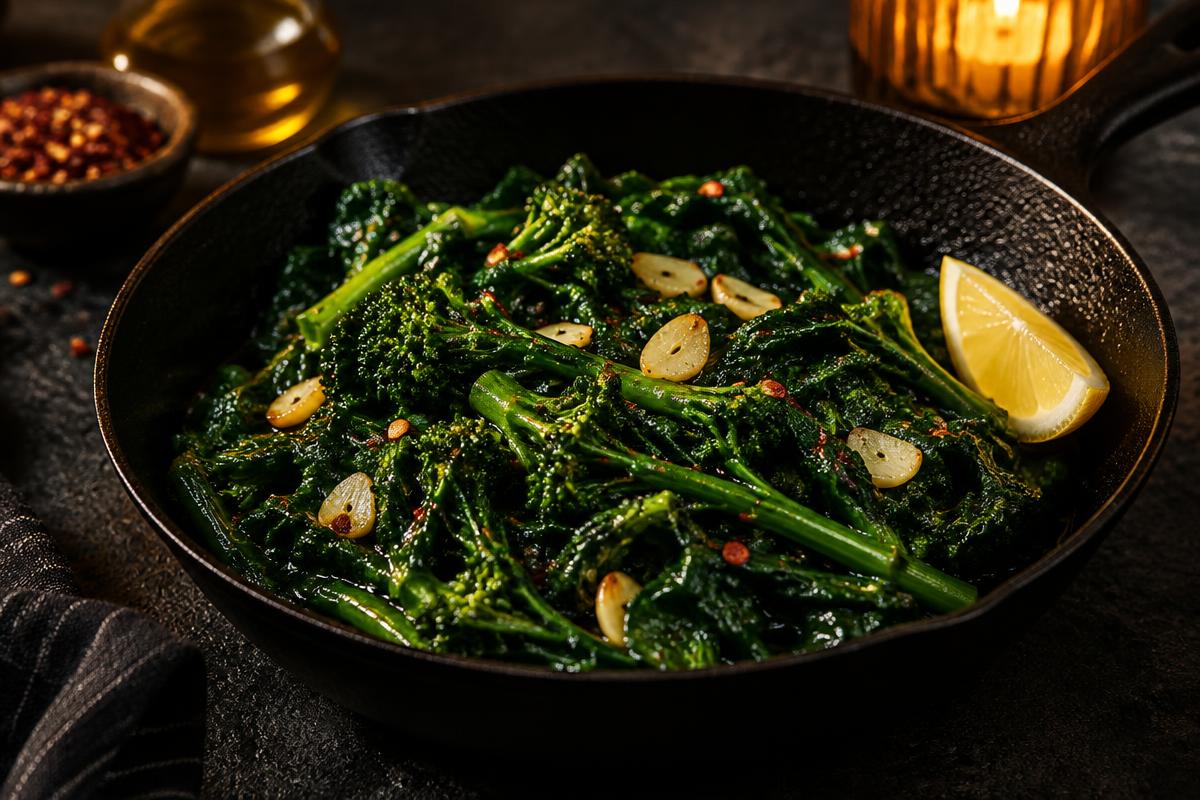 Sautéed Broccoli Rabe with Garlic (Cime di Rapa Saltate)Blanch, squeeze, garlic, oil. Ten minutes.About 130 calories per serving
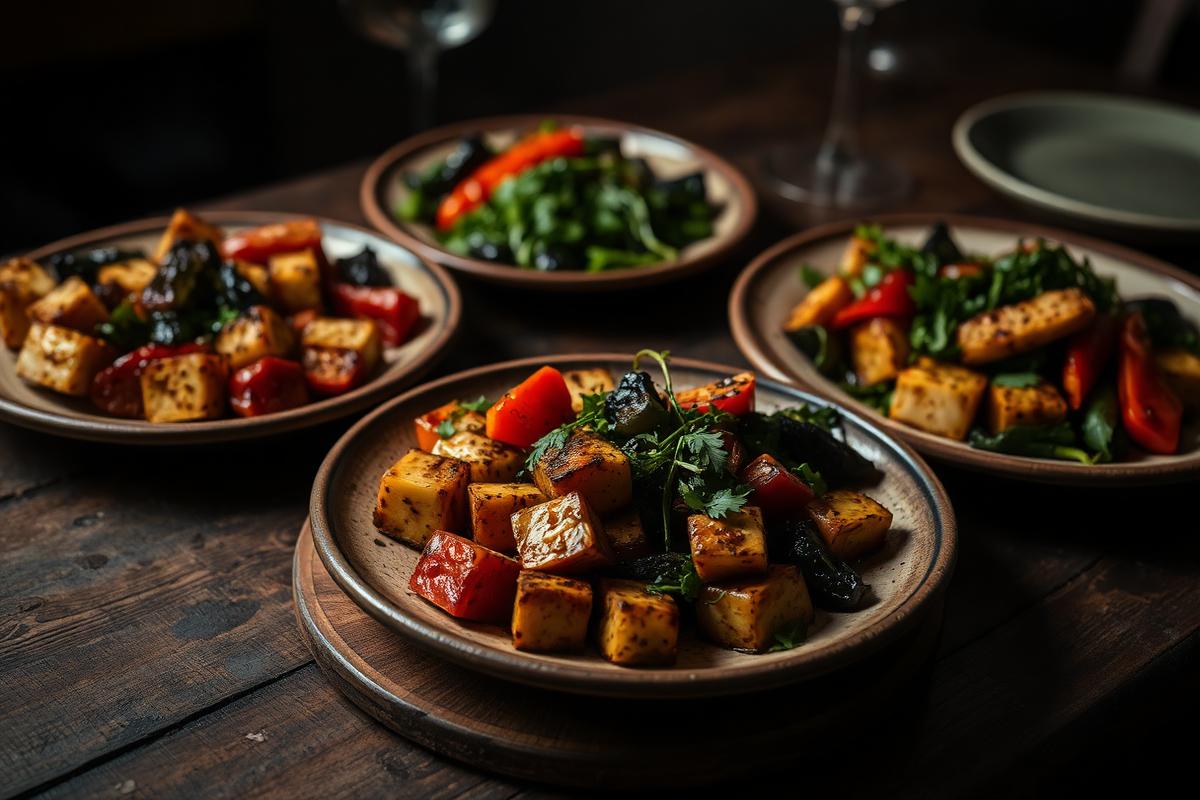 PeperonataSweet peppers stewed with onion, tomato and vinegar.About 170 calories per serving
- Fagiolini al PomodoroGreen beans braised soft in garlic and tomato.About 190 calories per serving
- Carciofi alla RomanaWhole artichokes braised head-down in oil, wine and mint.About 310 calories per serving
- Zucchine alla ScapeceFried zucchini marinated in mint and white vinegar.About 210 calories per serving
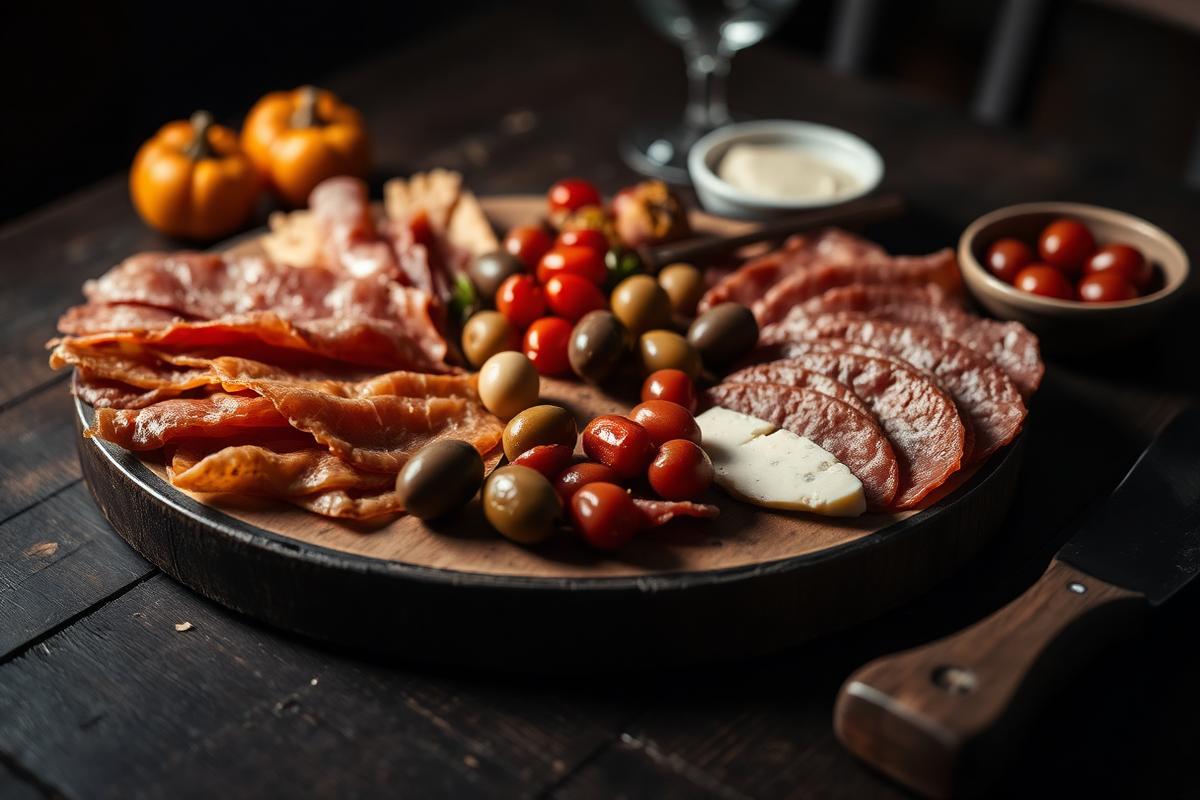 Caponata SicilianaFried eggplant in an agrodolce of vinegar, capers and olives.About 230 calories per serving
- PinzimonioCrisp raw vegetables and a bowl of seasoned olive oil.
Lighter classics
The comfort dishes, made with less frying and less cheese, plus chicken and vegetable mains that don't need either.
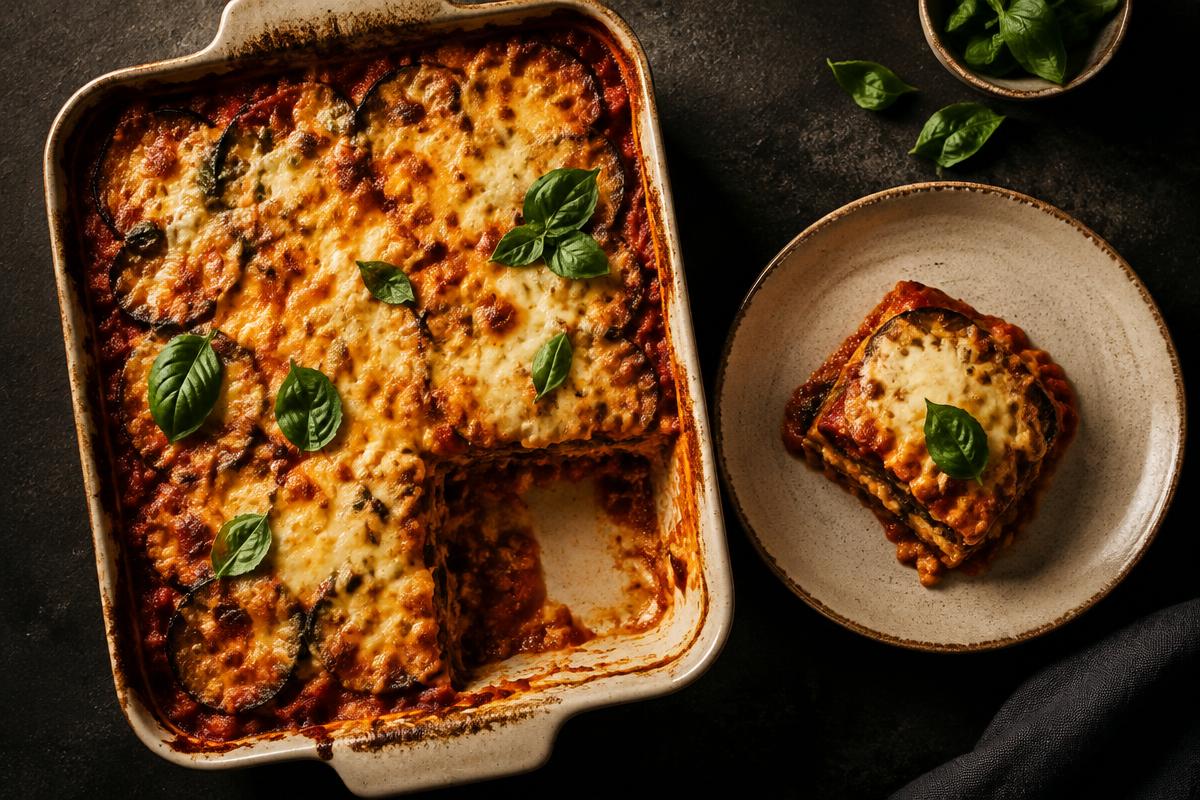 Baked Eggplant Parmesan (Not Fried)Brush, roast, layer, bake. No frying pan.About 350 calories per serving
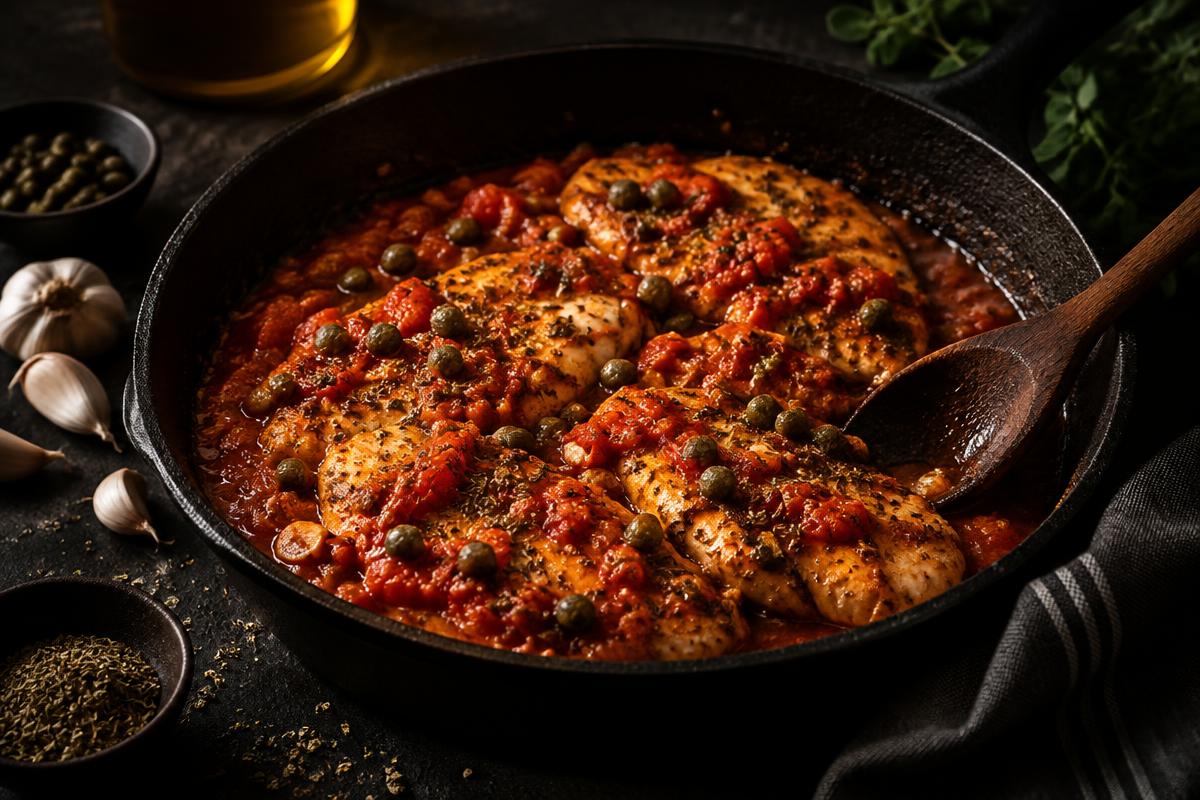 Pollo alla Pizzaiola (Chicken in Pizza-Maker's Sauce)Tomato, garlic, oregano: the pizza flavors, no crust.About 300 calories per serving
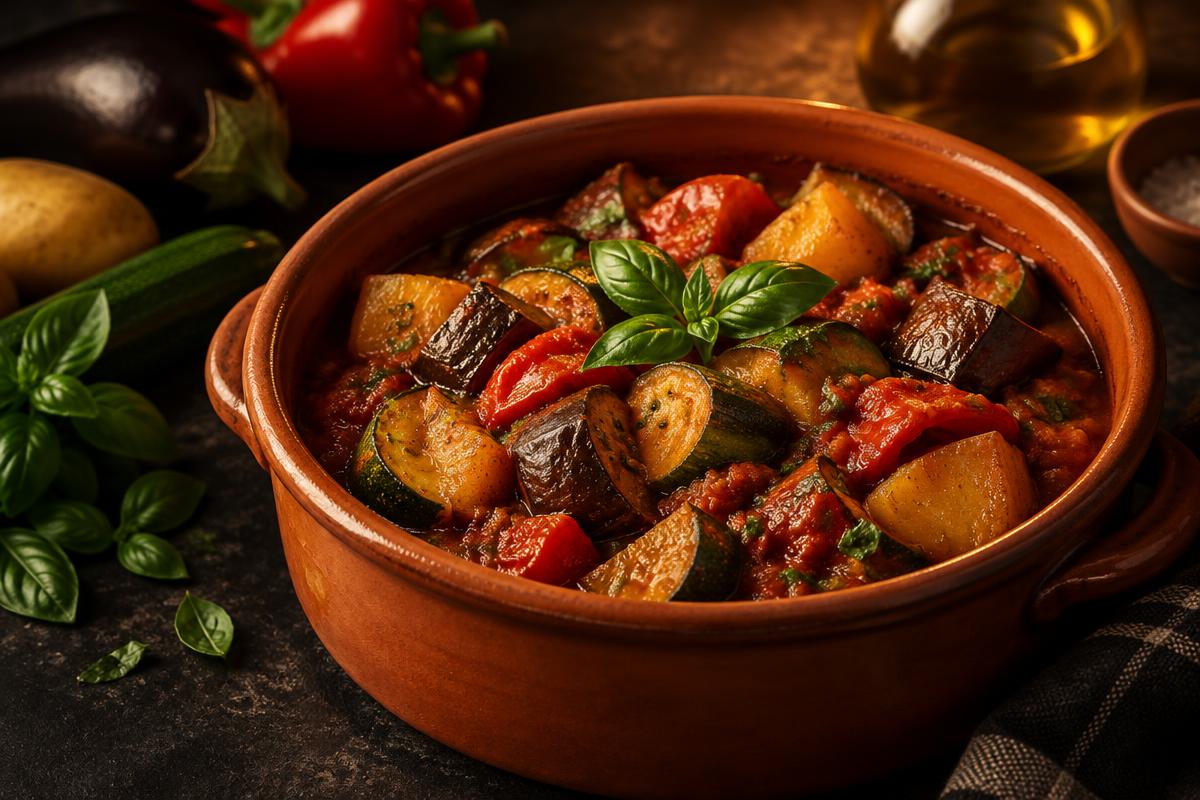 Ciambotta (Southern Italian Vegetable Stew)Summer vegetables, one pot, better tomorrow.About 210 calories per serving
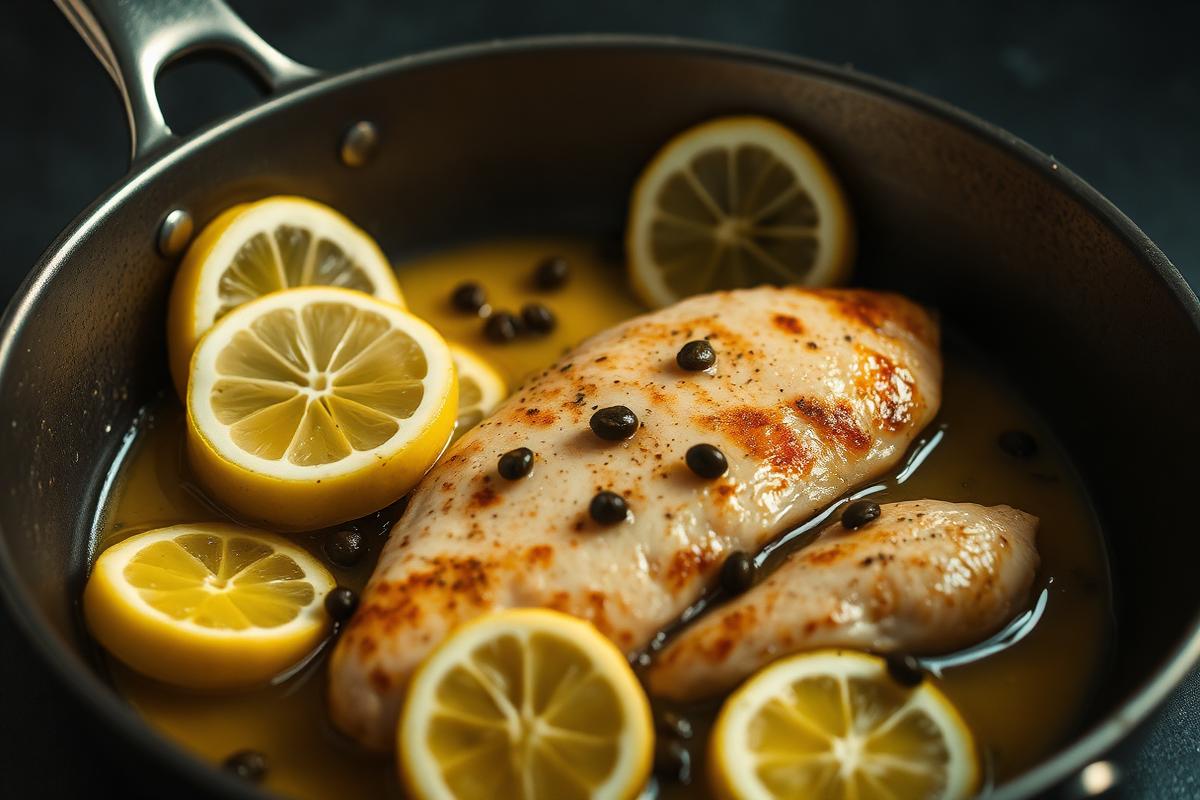 Chicken PiccataLemon, capers, butter. Fifteen minutes, start to plate.About 475 calories per serving
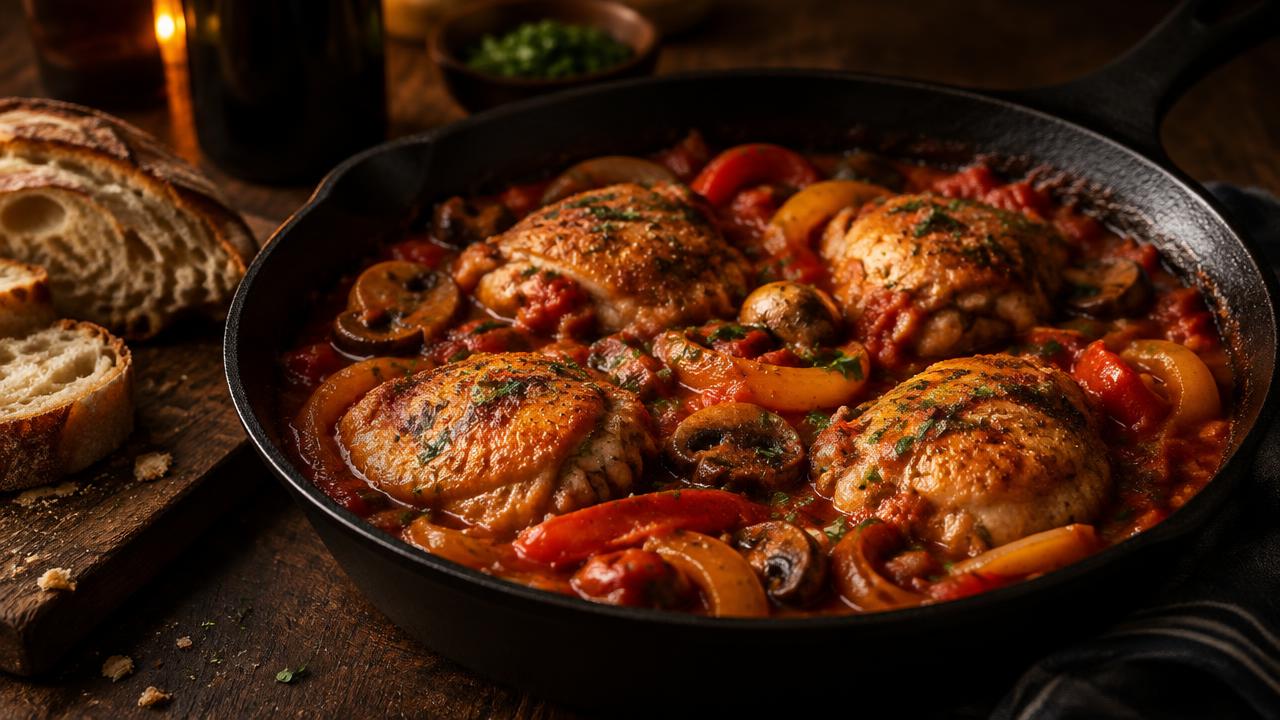 Chicken CacciatoreHunter's chicken: bone-in thighs braised in tomato, wine, peppers and rosemary until tender.About 635 calories per serving
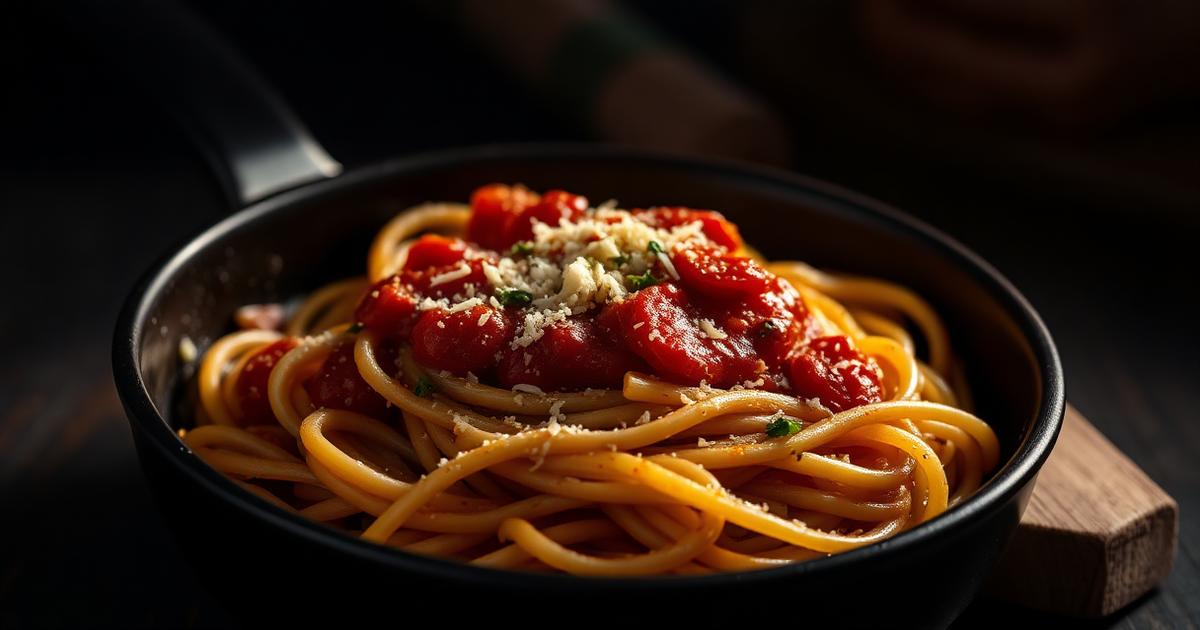 Spaghetti al PomodoroSpaghetti, tomato, olive oil, garlic and basil — nothing to hide behind.
The numbers on the classics
Calories, protein, carbs, fat and sodium per serving, calculated from USDA data, with the swaps that make the biggest difference.
Sources
- Harvard T.H. Chan School of Public Health — Diet Review: Mediterranean Diet
- American Heart Association — What is the Mediterranean Diet?
- Estruch et al., NEJM 2018 — PREDIMED: Mediterranean diet with olive oil or nuts
- Chiavaroli et al., BMJ Open 2018 — Pasta in low-glycaemic-index diets and body weight
- U.S. News & World Report — Best Diets Overall (2026)
General nutrition information, not medical advice. If you're managing a health condition, follow your doctor or dietitian. Recipe calories are per-serving estimates.