Italian Casseroles
Last updated
A bubbling tray can make dinner feel generous without asking every guest to choose a different dish. Start with the existing lasagna, pasta al forno and eggplant parmigiana recipes, then explore 22 new home casserole formulations. Sausage and peppers leads the newer ideas, alongside pizza pasta, meatballs, beans, vegetables, rice and polenta. “Casserole” is a useful English description here, not a claim that every dish has one Italian name or tradition. New recipes are untested home formulations with estimated times and illustrative photos, not measured Test Kitchen results.
Short answer
Choose lasagna, baked pasta or eggplant parmigiana, or try an Italian-inspired sausage, pizza pasta or meatball casserole. This collection links 25 complete recipes with measured quantities. Cook each base and filling as directed, drain wet ingredients and check temperatures. Make-ahead trays need safe chilling and reheating, not the same assumed bake time as a warm assembly.
25 recipes for the oven
Layered classics
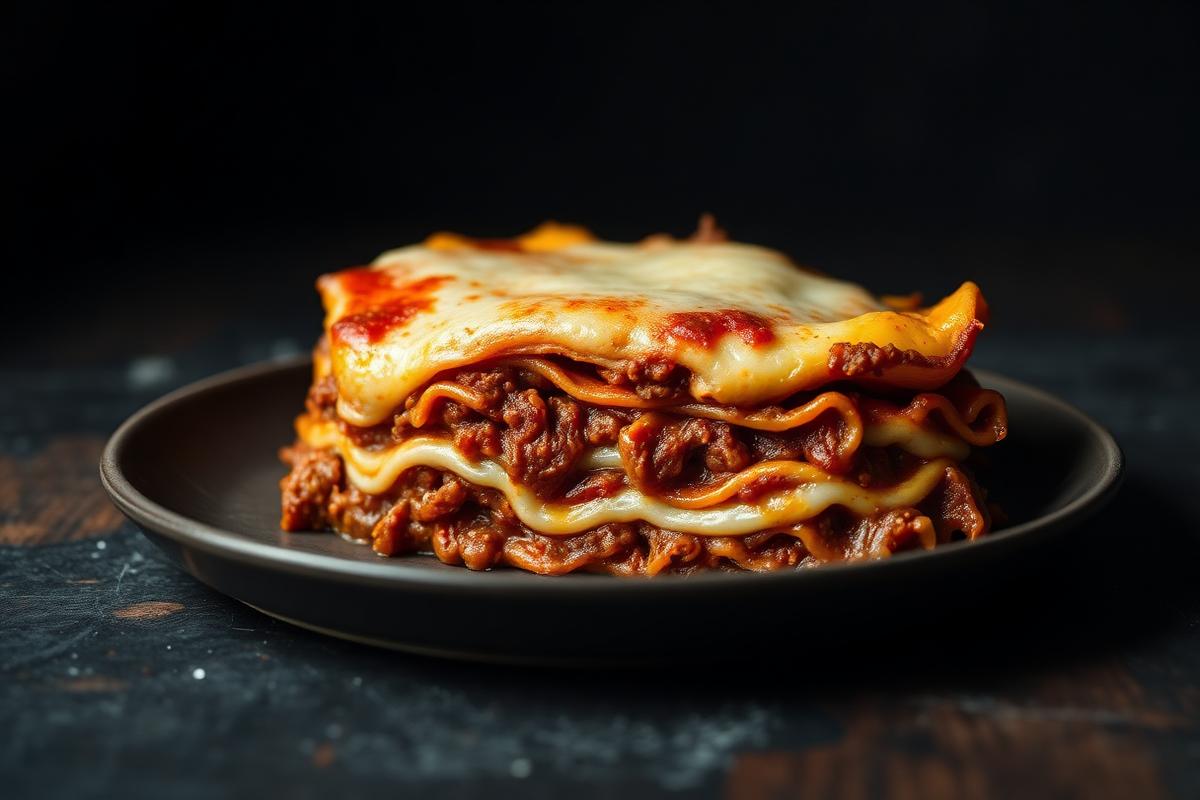
Lasagna alla Bolognese
Existing layered pasta recipe; follow its ragù and béchamel method.
8 servings · 3 hr 45 min →
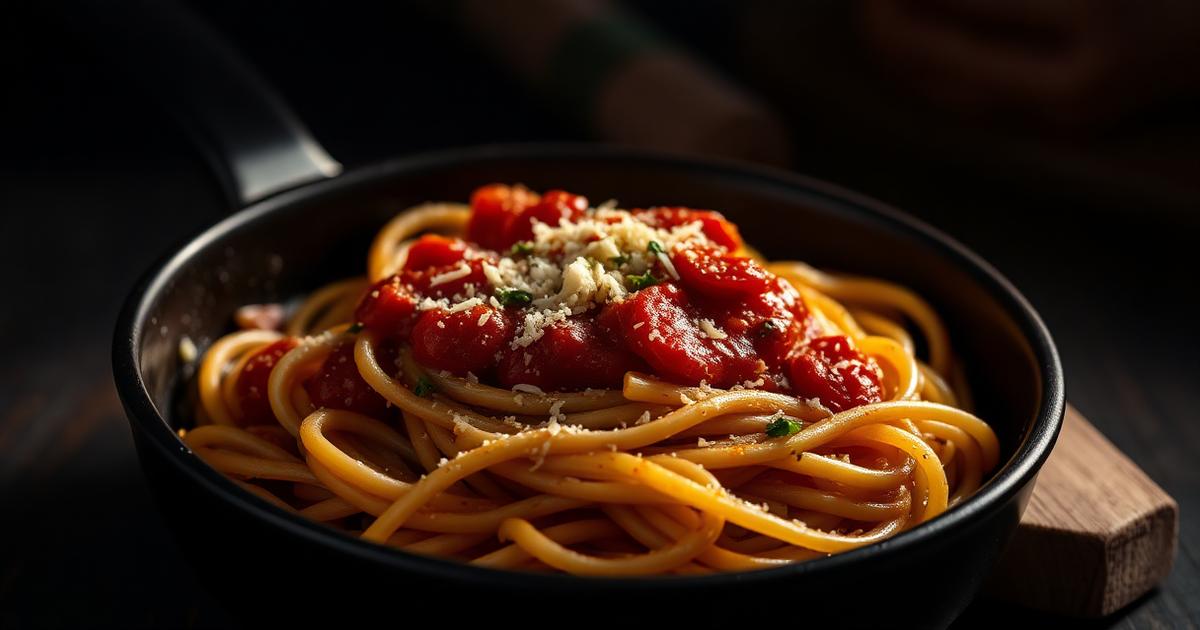
Pasta al Forno
Existing baked pasta recipe, not a renamed new dish.
8 servings · 1 hr 5 min →
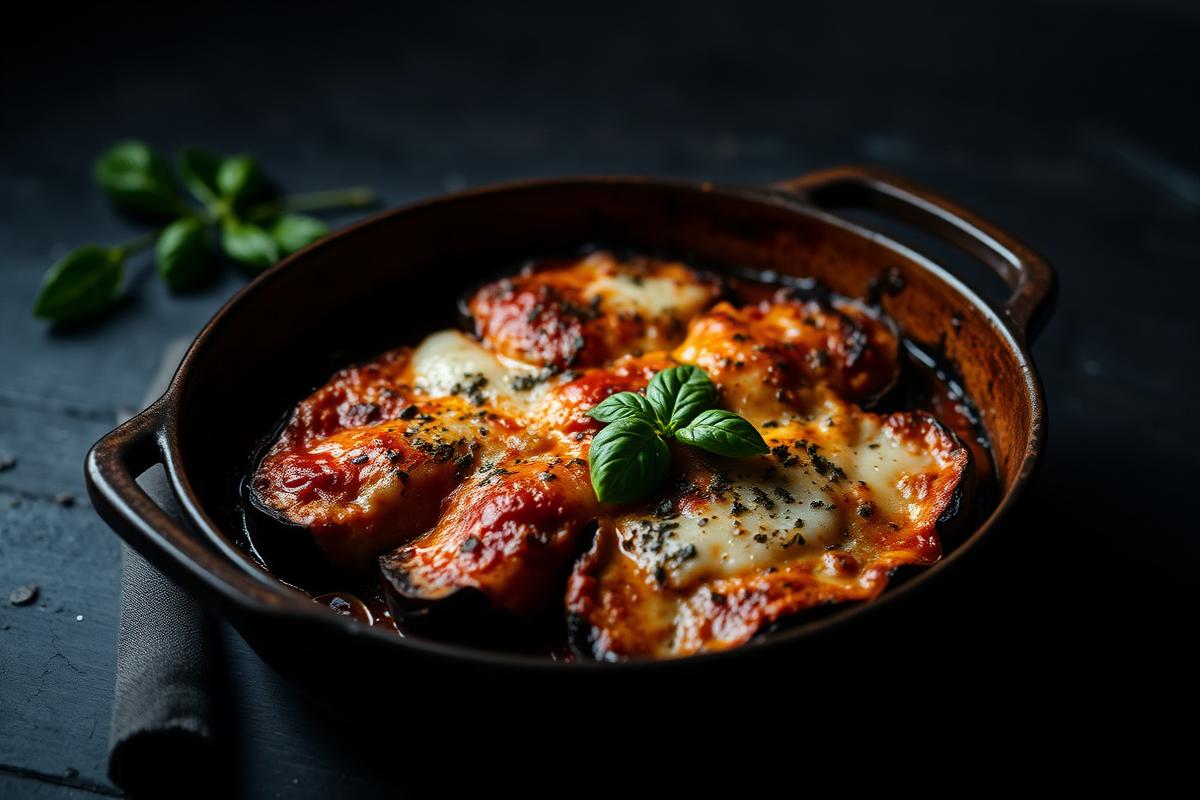
Melanzane alla Parmigiana
Existing layered eggplant recipe with its own preparation.
6 servings · 1 hr 25 min →
Pasta casseroles
Italian Sausage Casserole
Italian Sausage Casserole: a generous baked main with full quantities and make-ahead notes.
6 servings · 60 min →
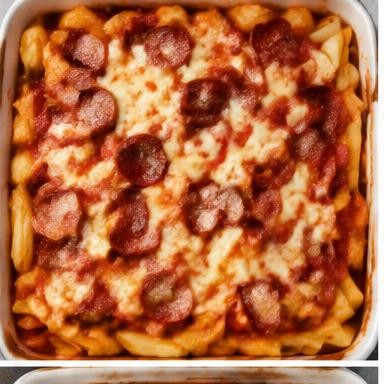
Pizza Casserole
Pizza Casserole: a generous baked main with full quantities and make-ahead notes.
6 servings · 60 min →
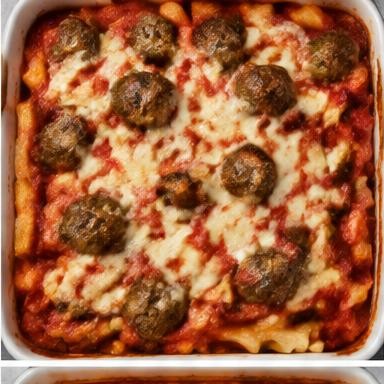
Meatball Casserole
Meatball Casserole: a generous baked main with full quantities and make-ahead notes.
6 servings · 60 min →
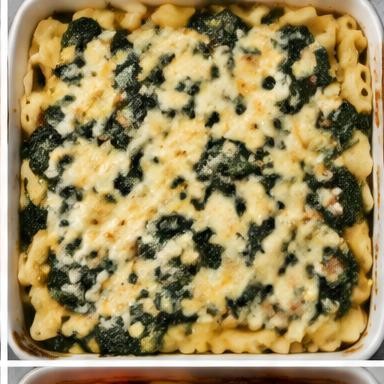
Spinach & Ricotta Pasta Bake
Spinach & Ricotta Pasta Bake: a generous baked main with full quantities and make-ahead notes.
6 servings · 60 min →
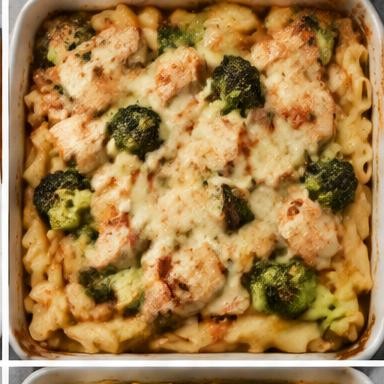
Chicken & Broccoli Pasta Bake
Chicken & Broccoli Pasta Bake: a generous baked main with full quantities and make-ahead notes.
6 servings · 60 min →
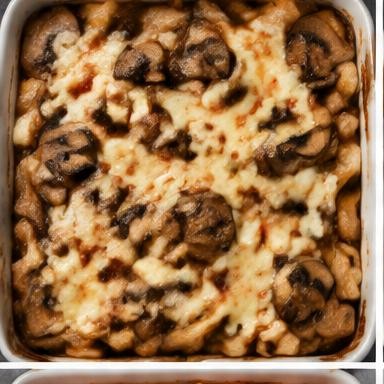
Mushroom & Fontina Pasta Bake
Mushroom & Fontina Pasta Bake: a generous baked main with full quantities and make-ahead notes.
6 servings · 60 min →
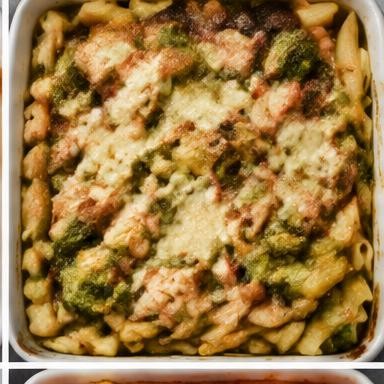
Chicken Pesto Pasta Bake
Chicken Pesto Pasta Bake: a generous baked main with full quantities and make-ahead notes.
6 servings · 60 min →
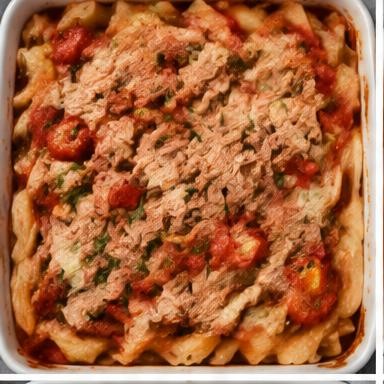
Tuna & Tomato Pasta Bake
Tuna & Tomato Pasta Bake: a generous baked main with full quantities and make-ahead notes.
6 servings · 60 min →
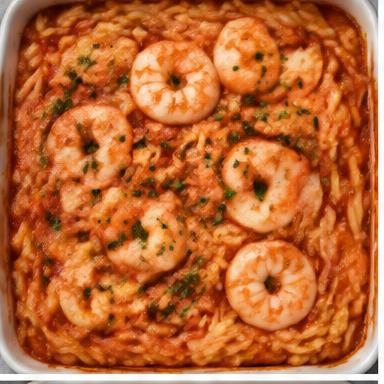
Shrimp & Tomato Orzo Bake
Shrimp & Tomato Orzo Bake: a generous baked main with full quantities and make-ahead notes.
6 servings · 60 min →
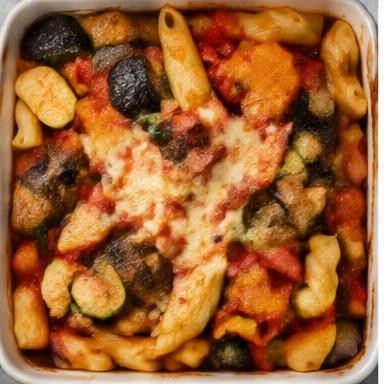
Roasted Vegetable Pasta Bake
Roasted Vegetable Pasta Bake: a generous baked main with full quantities and make-ahead notes.
6 servings · 75 min →
Vegetable, bean & sausage trays
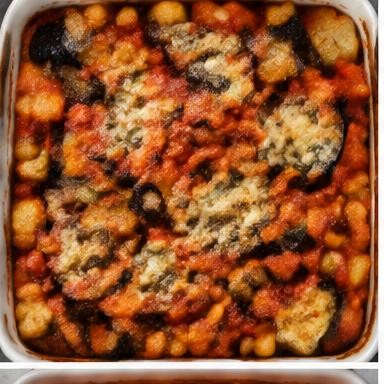
Eggplant & Chickpea Bake
Eggplant & Chickpea Bake: a generous baked main with full quantities and make-ahead notes.
6 servings · 75 min →
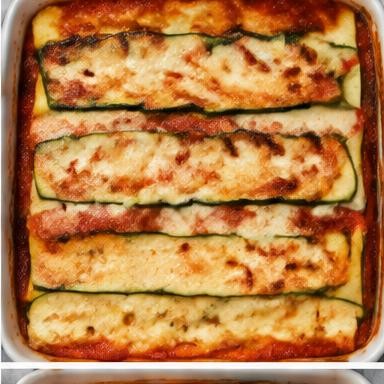
Zucchini & Ricotta Bake
Zucchini & Ricotta Bake: a generous baked main with full quantities and make-ahead notes.
6 servings · 60 min →
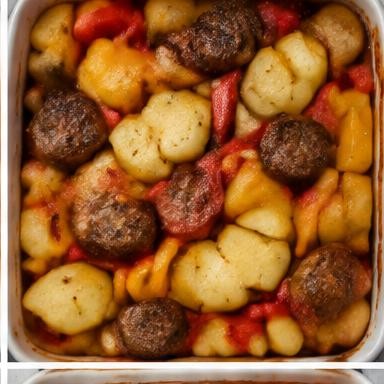
Sausage, Potato & Pepper Bake
Sausage, Potato & Pepper Bake: a generous baked main with full quantities and make-ahead notes.
6 servings · 75 min →
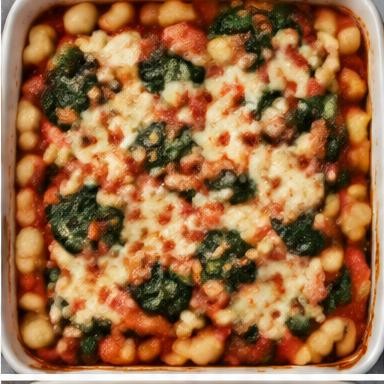
White Bean & Spinach Bake
White Bean & Spinach Bake: a generous baked main with full quantities and make-ahead notes.
6 servings · 60 min →
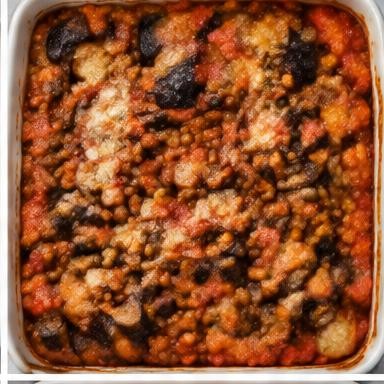
Lentil & Eggplant Bake
Lentil & Eggplant Bake: a generous baked main with full quantities and make-ahead notes.
6 servings · 75 min →
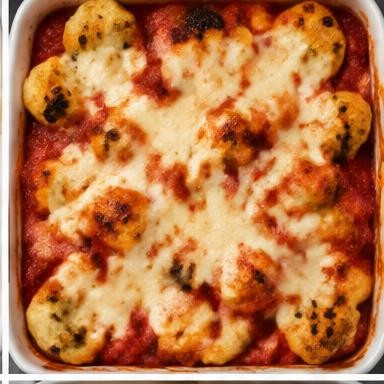
Cauliflower, Tomato & Mozzarella Bake
Cauliflower, Tomato & Mozzarella Bake: a generous baked main with full quantities and make-ahead notes.
6 servings · 75 min →
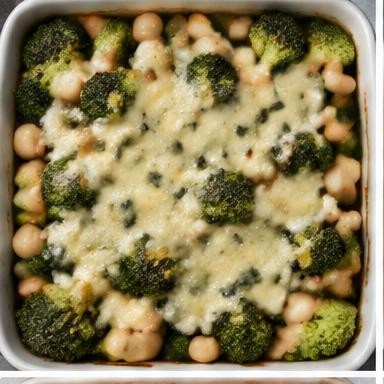
Broccoli & White Bean Bake
Broccoli & White Bean Bake: a generous baked main with full quantities and make-ahead notes.
6 servings · 60 min →
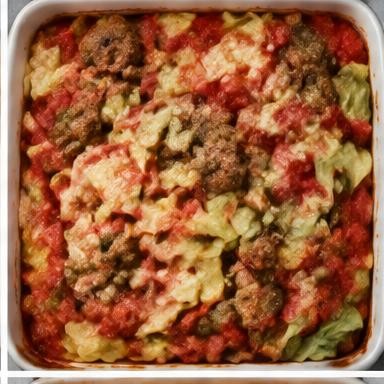
Sausage & Cabbage Bake
Sausage & Cabbage Bake: a generous baked main with full quantities and make-ahead notes.
6 servings · 60 min →
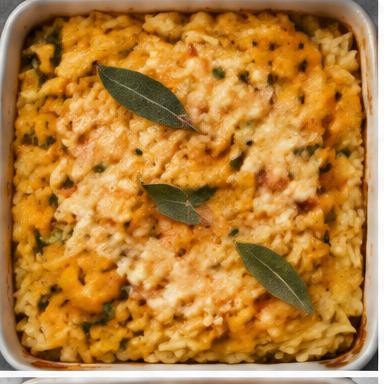
Rice bakes
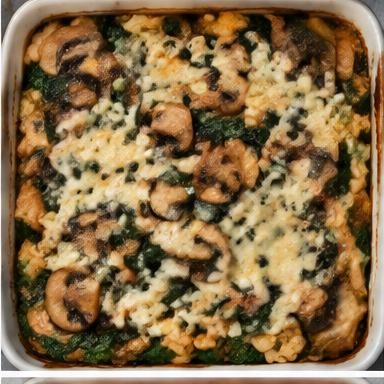
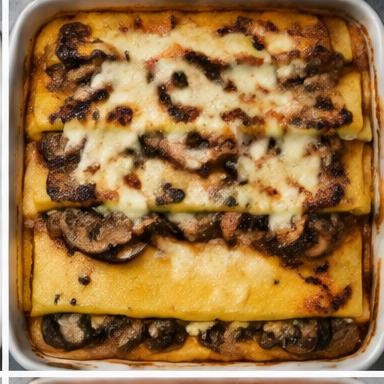
Polenta bakes
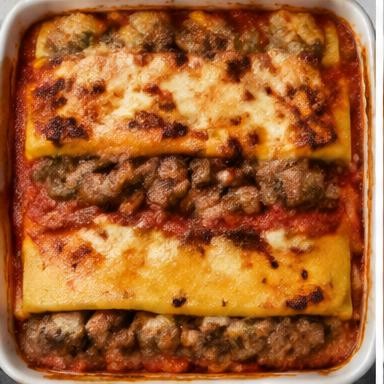
Choose the tray, not just the topping
Lasagna, pasta al forno and eggplant parmigiana are existing layered baked dishes. The newer casseroles are Italian- or Italian-American-inspired home interpretations, not a claim that pizza casserole is a traditional regional dish.
Pasta trays require precooked pasta; rice bakes use freshly cooked rice; polenta bakes use cooked polenta. Vegetable and bean trays do not require a pasta base. Choose the complete recipe that matches your ingredients instead of borrowing only its cheese finish.
Sausage, pizza and meatball casseroles
Italian sausage casserole combines pork sausage, peppers, onion and cooked short pasta. Brown and safely cook the filling before the finishing bake. Pizza casserole uses ready-to-eat pepperoni and cooked vegetables; raw sausage cannot be substituted without cooking it separately.
Meatball casserole makes its own beef meatballs with a measured breadcrumb panade, simmers them safely in the measured sauce, then combines them with pasta. Check 160°F for ground beef or pork; any poultry mixture requires 165°F. Melted cheese is not a doneness test.
Make-ahead: separate the cooking and reheating jobs
Fully cook the base and filling, refrigerate promptly in shallow containers and assemble for reheating using an appropriate oven-safe dish. Do not move a refrigerator-cold glass dish into a hot oven unless the manufacturer specifically permits it.
The new recipes estimate a finishing bake for freshly assembled warm ingredients. Chilled trays take longer: check 165°F throughout, including the center and multiple spots. There is no universal extra number of minutes, and making a new casserole does not restart the cooked-leftover storage clock.
Potluck transport and portions
Each new recipe starts at six servings. Scale measured ingredients with its serving control; a casserole is not a guaranteed portion size for every guest or buffet. Use more suitably sized trays for a larger batch rather than doubling depth and assuming unchanged cooking time.
Transport with safe temperature control. Hold hot food at 140°F or above and cold food at 40°F or below. Otherwise follow the perishable-food time limits: refrigerate within 2 hours, or 1 hour above 90°F. Check allergens and use clean serving utensils.
Watery filling, scorched cheese or dry pasta?
Drain beans, tuna and pasta; roast or sauté vegetables to reduce excess moisture. The stated quantities assume drained ingredients, not added packing liquid. Use the measured sauce and avoid adding it twice when a filling step has already used it.
If the cheese browns before the center is hot, loosely cover the tray and continue checking temperature. Dry pasta can result from too little sauce, overbaking or a substitution that absorbs differently. Follow one complete formulation and adjust one variable in the next batch.
Leftovers without a new storage clock
Keep refrigerated at 40°F or below and use cooked leftovers within 3–4 days after prompt chilling. Divide large quantities into shallow containers; do not leave a deep hot tray on the counter until completely cold.
Reheat leftovers throughout to 165°F. Freeze promptly if you will not use them within the refrigerator window; freezing does not repair unsafe holding or chilling. These safety sources support handling and temperatures, not the untested recipe times.
Sources and evidence
Common questions
- Are all 25 casseroles traditional Italian dishes?
- No. The collection includes existing Italian-style baked dishes and explicitly labelled Italian-inspired or Italian-American-inspired home casseroles. Pizza casserole is not presented as a traditional regional recipe.
- Is there a sausage and peppers casserole?
- Yes. The Italian sausage casserole uses fresh pork sausage, peppers, onion, cooked short pasta, sauce and cheese, with six servings and a 160°F pork-sausage check before assembly.
- Do I put raw pasta in pizza casserole?
- No. This formulation requires pasta cooked about two minutes short of its package directions and drained before assembling the tray.
- Can I make meatball casserole with frozen meatballs?
- The recipe makes its own beef meatballs. A packaged alternative needs its own label directions and confirmation of whether it is raw or fully cooked; do not assume its cooking time matches the homemade method.
- Can I refrigerate an assembled casserole overnight?
- Use fully cooked components, chill promptly in shallow containers and use a suitable baking dish. Reheat to 165°F throughout; the warm-assembly timing is not an overnight chilled-tray promise.
- How do I keep a casserole safe at a potluck?
- Hold hot food at 140°F or above or cold food at 40°F or below. Otherwise apply the 2-hour perishable-food limit, reduced to 1 hour above 90°F, including transport time outside safe holding.
Make it
More straight answers
Cite this guide: “Italian Casseroles” — Uncle Larry Adventures, https://unclelarryadventures.com/guides/italian-casseroles
Next up
Keep going — a recipe to try, a film to watch, and an answer to the question you were about to search.
Try this recipe
Gelato alla Crema
Denser and warmer-served than ice cream, and better for it.
Try this recipe
Torta della Nonna
Pasta frolla shell filled with lemon custard and topped with pine nuts.
Next watch
The Spa Day
Sally books a couples' spa day for a little peace and quiet. Larry settles in for a trim — and walks out of the salon with a full blond explosion, sprinting down the hallway like a man who lost a bet with a leaf blower.
Quick answer
How long do you cook Italian sausage in the air fryer?
Air-fry raw Italian sausage links at 380°F (193°C) for about 12 to 15 minutes, turning halfway, until browned and 160°F (71°C) in the center. Use a single layer with space between links. Sliced peppers and onions can go in for the last 8 to 10 minutes. Air fryers vary, so check early.