Italian Charcuterie Board (Antipasto Platter)
Last updated
Short answer
An Italian charcuterie board, or antipasto platter, pairs three or so salumi, such as prosciutto, a salame like soppressata and capocollo, with two or three Italian cheeses, marinated olives, roasted or pickled vegetables, and bread or grissini. Plan roughly 2 oz of meat and 2 oz of cheese per person as a starter.
The Italian antipasto board is the easiest impressive thing you can put on a table. No cooking, no timing, and everyone helps themselves. The trick is variety without clutter: a couple of contrasting meats, a couple of cheeses, something briny, something fresh, and good bread. In Italy you might see this as a tagliere, a wooden cutting board loaded with salumi and cheese, served with a glass of wine.
Homemade additions for the board
Briny and pickled
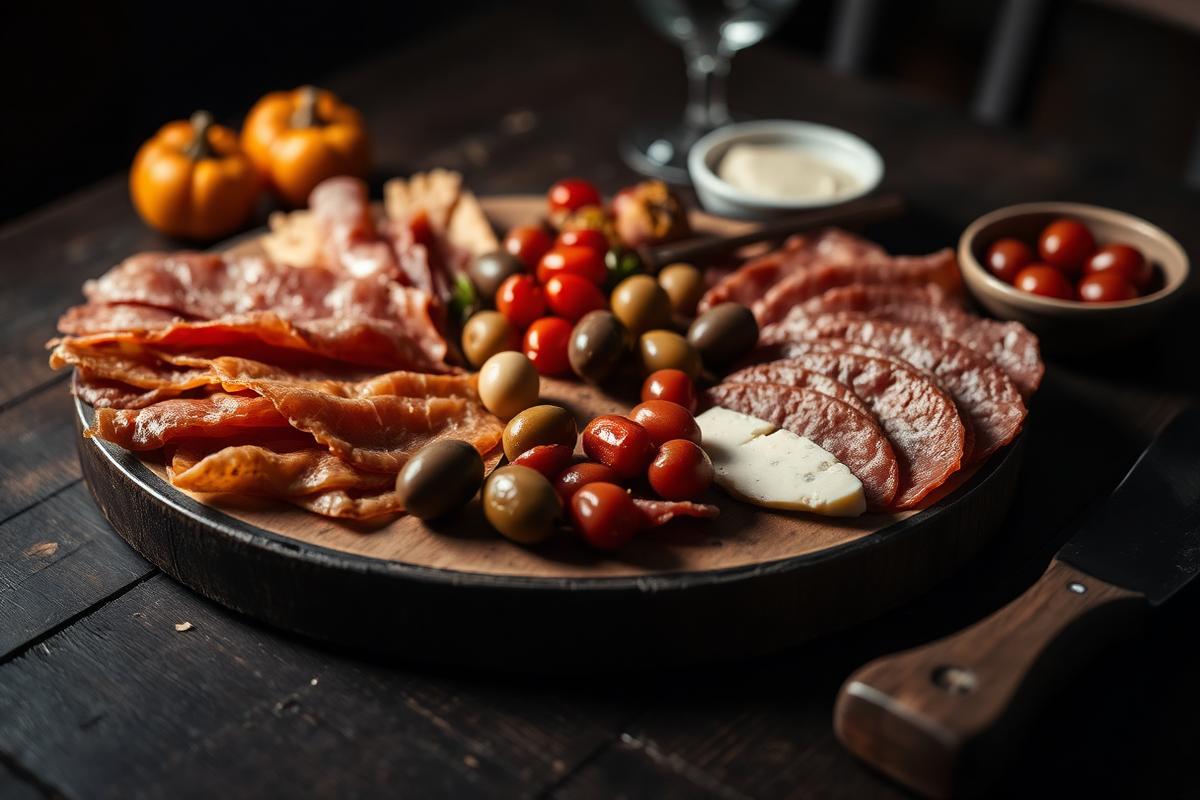
The salumi: three for contrast
Pick one sweet whole-muscle cut, like prosciutto crudo; one salame, like soppressata, finocchiona or salame Milano; and one with personality, like hot capocollo, bresaola or a little spreadable 'nduja. Mortadella in thin slices or cubes is a crowd-pleaser too.
The cheeses: two or three
A hard aged cheese such as Parmigiano-Reggiano or pecorino in chunks, a softer slicing cheese such as provolone or fontina, and something fresh like mozzarella balls or burrata. See the Italian cheese board guide for more.
The rest of the board
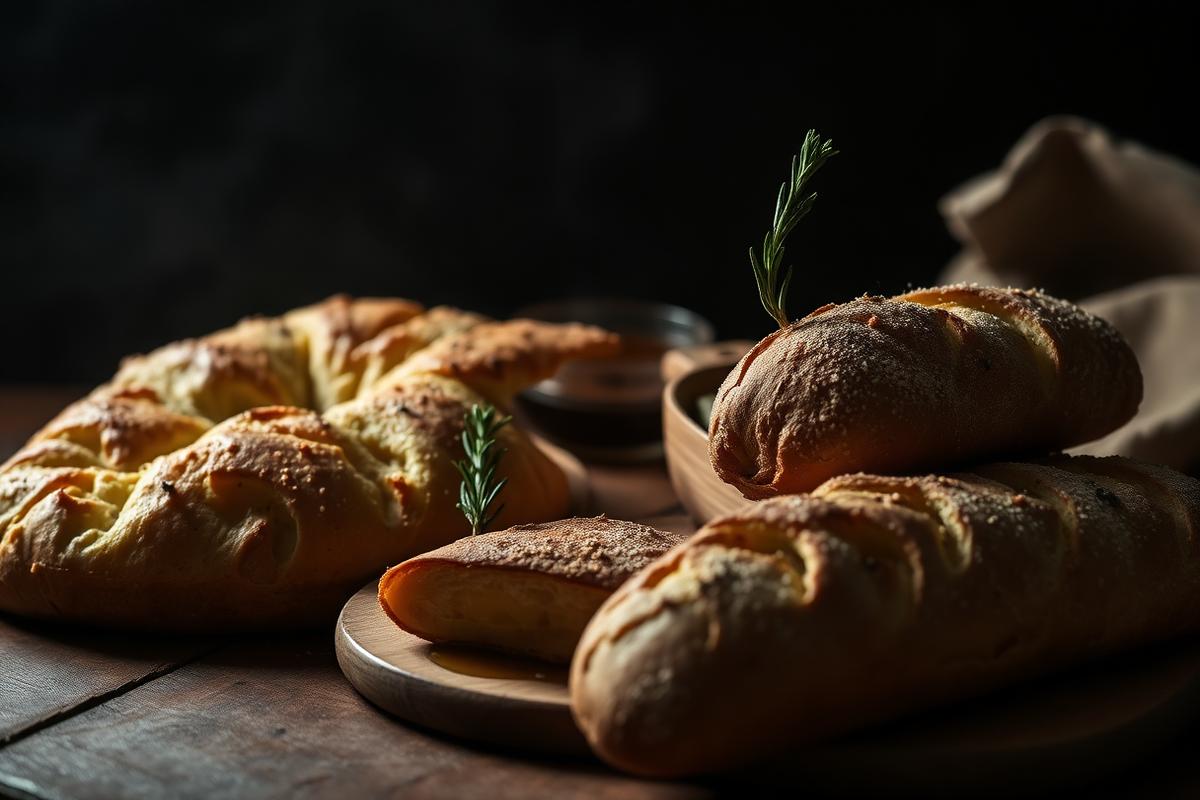
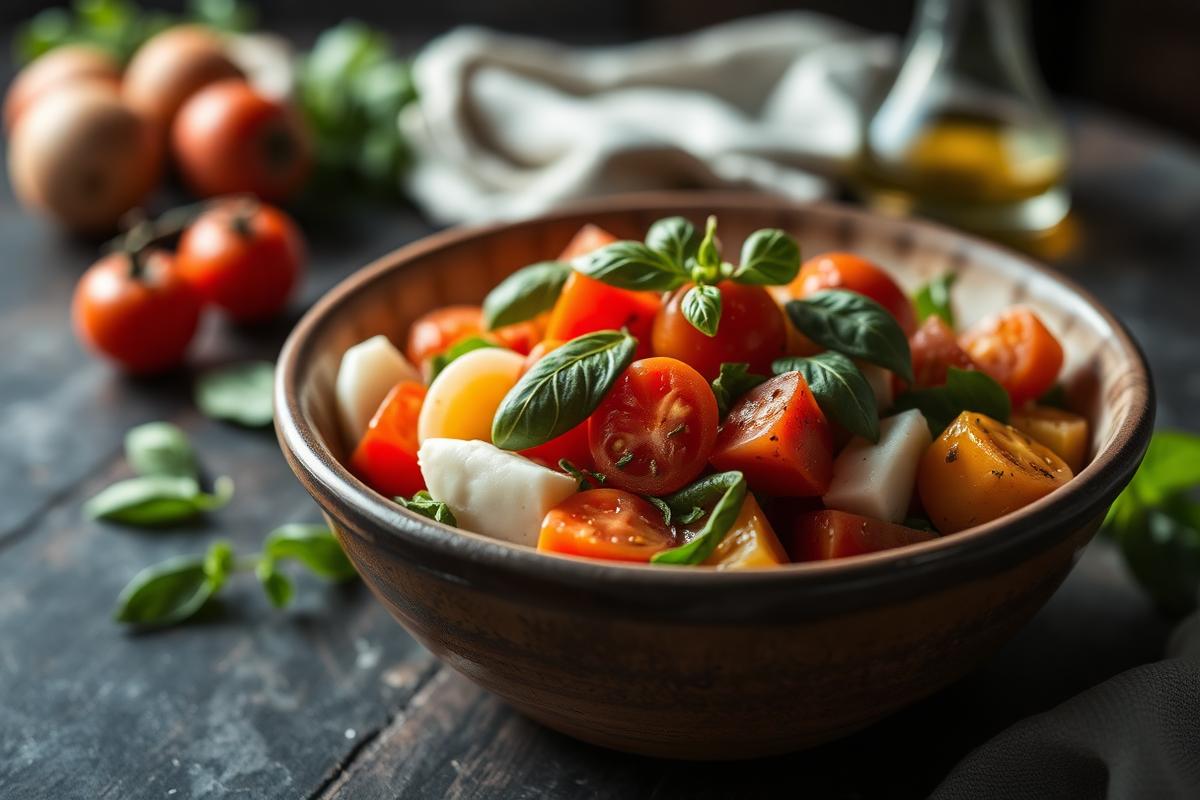
Marinated olives, giardiniera or roasted peppers, marinated artichokes, sun-dried tomatoes, a little fruit such as figs, grapes or melon, and bread, focaccia or grissini. Keep a small bowl for olive pits.
How much to buy
As a starter before dinner, a common guide is about 2 oz (55 g) of meat and 2 oz of cheese per person. As the main food at a party, roughly double it. Buy a little more of the crowd favorites, usually prosciutto and the salame.
Starter portions for a small table
Using that same 2 oz each per person: for 2 guests, buy 4 oz meat and 4 oz cheese; for 4, 8 oz of each; for 6, 12 oz of each; for 8, 16 oz of each. These are starter estimates, not a complete dinner, and bread, vegetables and olives are additional.
How to arrange it
Set the bowls down first, then the cheeses spaced apart, then fold or ribbon the meats around them, then fill gaps with olives, vegetables and fruit, and add bread last so it doesn't go soft. Keep it to a 2-hour window at room temperature, per USDA guidance, and refill from the fridge for a long party.
Safety for higher-risk guests
The CDC advises pregnant people and others at higher risk of Listeria infection to avoid unheated deli meats and dry sausages unless heated to 165°F or steaming hot. Label the board and include meat-free choices.
Sources and evidence
Common questions
- Is a charcuterie board Italian?
- Charcuterie is a French word, but Italy has its own version: the tagliere of salumi and cheese, and the antipasto platter served before a meal.
- What's the difference between antipasto and charcuterie?
- Charcuterie means cured meats. An antipasto platter usually includes meats plus cheeses, olives, marinated vegetables and bread.
- How far ahead can I make an antipasto platter?
- Prep the components a few hours ahead and keep them wrapped in the fridge. Assemble shortly before guests arrive and don't leave it out more than 2 hours.
- What wine goes with an Italian charcuterie board?
- Lambrusco, Chianti or a Prosecco are easy, food-friendly choices for salumi and cheese.
- What are the best Italian meats for a board?
- Prosciutto, soppressata or another salame, and capocollo cover sweet, savory and spicy. Mortadella and bresaola are good additions.
Make it
More straight answers
Cite this guide: “Italian Charcuterie Board (Antipasto Platter)” — Uncle Larry Adventures, https://unclelarryadventures.com/guides/italian-charcuterie-board
Next up
Keep going — a recipe to try, a film to watch, and an answer to the question you were about to search.
Try this recipe
Refrigerator Giardiniera
Quick-pickled garden vegetables for the fridge.
Try this recipe
Pickled Peppers (Peperoni Sott'Aceto)
What to do with too many garden peppers.
Next watch
Everest Happy Hour
Larry joins Sally Peppers and a determined climbing team high on Mount Everest, where one exhausted mountaineer needs an unconventional lift to the summit. After the final push, Larry celebrates above the clouds with the coldest toast on Earth.
Quick answer
What is the best pan for sausage and peppers?
A 12-inch cast-iron skillet is the classic pick: it holds heat, browns sausage deeply and goes from stove to oven. Stainless steel browns just as well and deglazes easily. Nonstick is easiest to clean but browns less. For crowds, use rimmed sheet pans; for saucy versions, a Dutch oven.