Start here
Italian Cooking School
Last updated
Quick answer
Learn Italian cooking in nine lessons: cook pasta in plenty of well-salted water and taste early; save the starchy pasta water to finish sauces; read your pan heat; cook garlic gently to pale gold; build a pan sauce; soften a soffritto; make risotto by adding hot stock in stages; mix and roll fresh egg pasta; and braise. Each lesson links recipes on the site that practice it.
First apartment, first date, first time somebody asked you to bring a dish. Every great Italian cook started with a pot of water and no idea how much salt to put in it.
This is the school: nine short lessons on the things recipes assume you already know, then the classic recipes that put them to work. Do them in order, or jump to the one that's been bugging you.
The nine lessons
- How to Cook Pasta Perfectly →Lesson one of Italian Cooking School: 4 quarts of water per pound, about 38 g of salt, no oil, taste early for al dente and finish the pasta in its sauce.
- How to Use Pasta Water →Why Italian cooks save the starchy pasta water: it loosens sauces, helps butter, oil and cheese emulsify, and makes sauce cling. How much to save and how to use it.
- How Hot Should the Pan Be? →Pan heat for Italian cooking: low for garlic and soffritto, medium for sauces and onions, medium-high for searing sausage and cutlets, and how to read the oil.
- How to Cook Garlic Without Burning It →Slice or mince, cold-oil start, pale gold not brown, and when to add the garlic: the Italian way to cook garlic, plus the safe way to store garlic in oil.
- How to Make a Pan Sauce, Italian Style →Sear, deglaze, reduce, finish: the four-step Italian pan sauce behind chicken piccata, marsala and francese. Lesson five of Larry's Italian Cooking School.
- How to Make Soffritto →Learn to soften onion, carrot and celery without scorching them, then practice with lasagna Bolognese and osso buco.
- How to Make Risotto →Learn the risotto method with existing saffron and seafood recipes: toast the rice, add hot stock in stages and finish off the heat.
- How to Make Fresh Pasta →How to make fresh pasta: the egg-dough ratio, semolina dough, kneading, resting, rolling with or without a machine, cutting widths, hand shapes and cooking times.
- How to Braise →Learn the braising sequence with osso buco and Italian beef: brown the meat, add the recipe's liquid, cover and cook gently.
Your first five recipes
Each one practices a lesson.
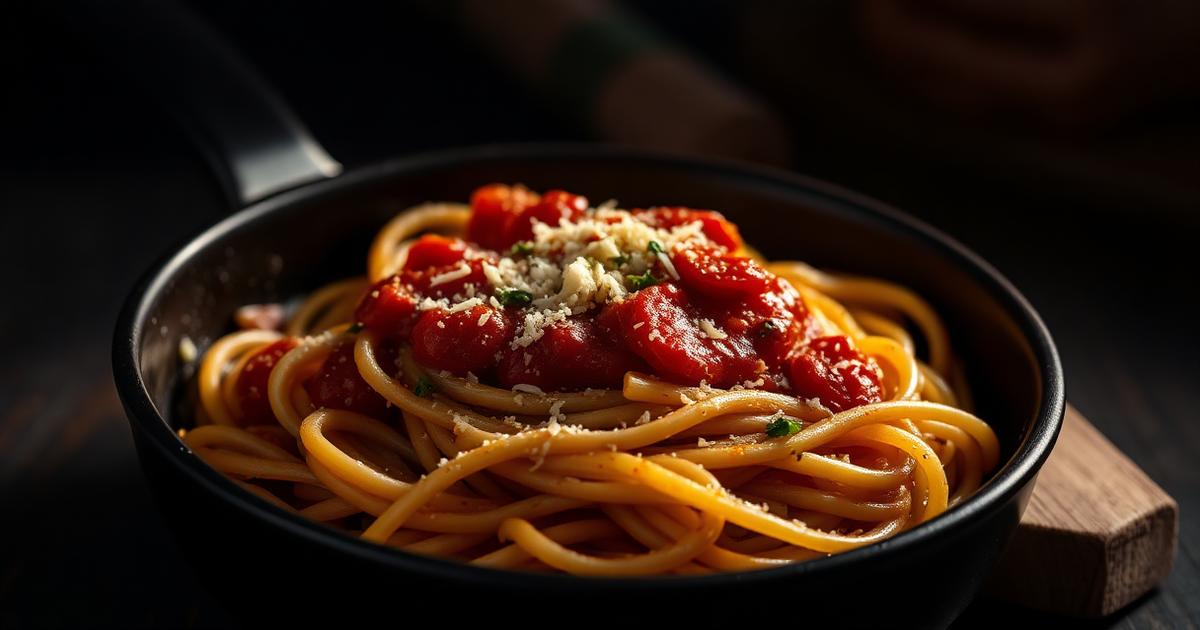 Spaghetti Aglio e OlioGarlic, chili, good oil and pasta water. The midnight plate.About 665 calories per serving
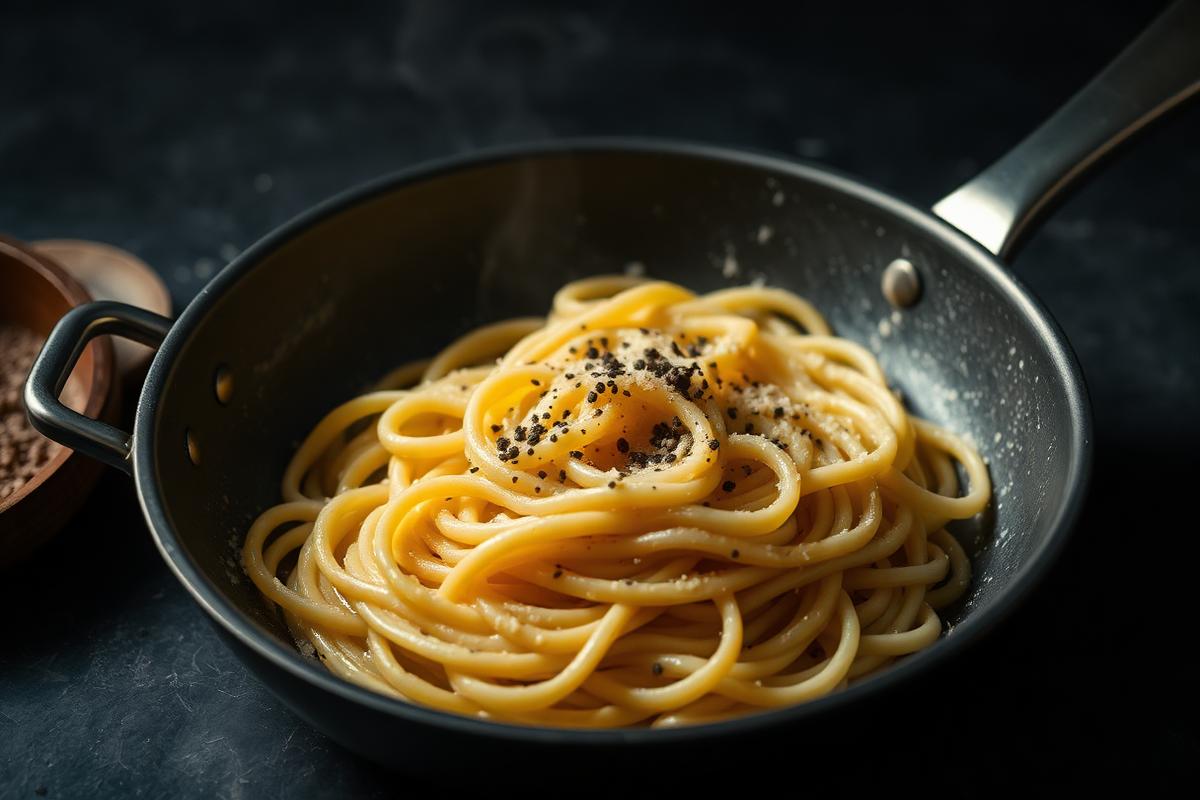 Cacio e PepeTwo ingredients, zero margin for error.About 780 calories per serving
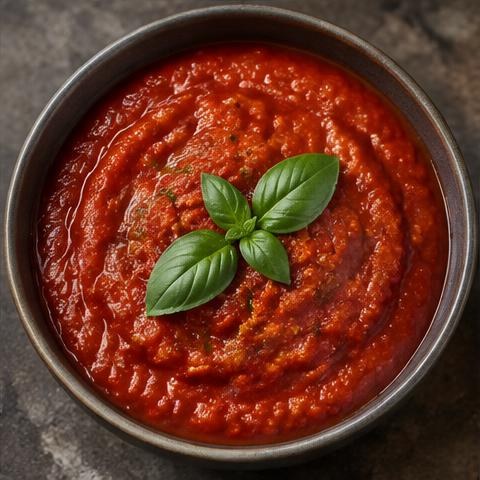 Homemade Marinara SauceHomemade Marinara Sauce with measured ingredients and practical home-cooking directions.
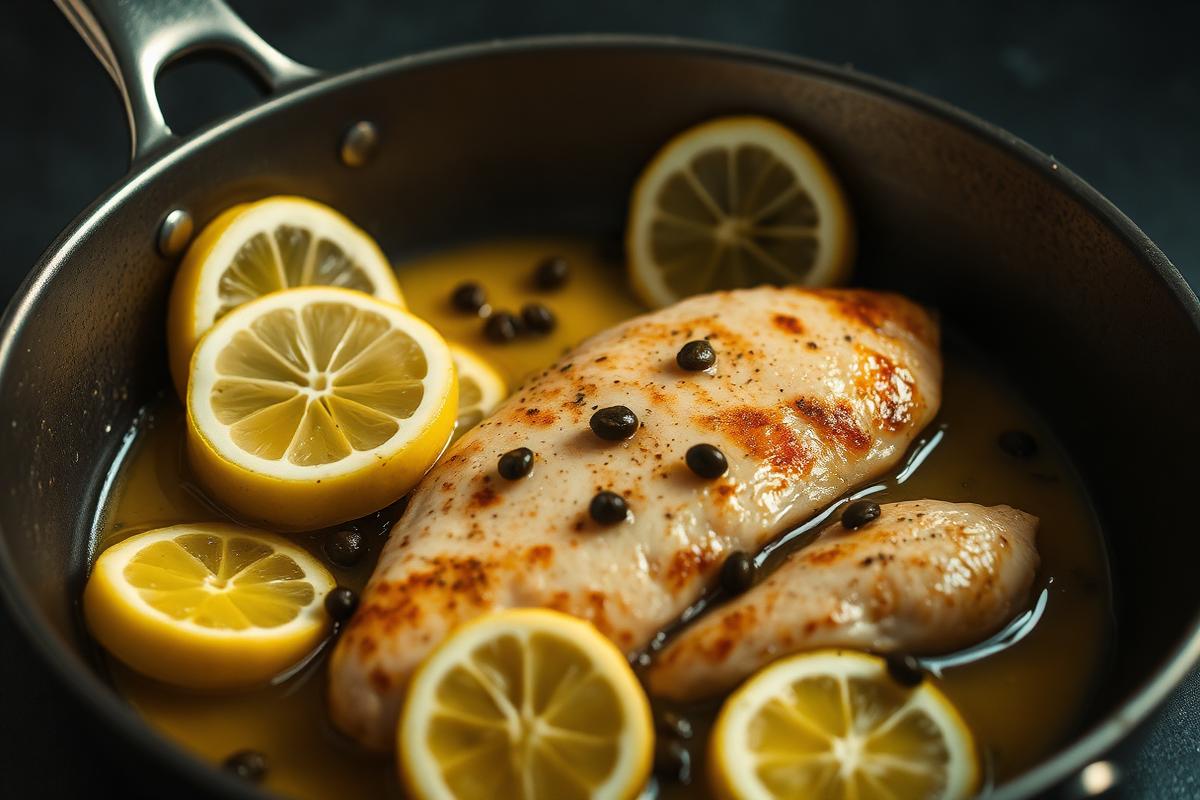 Chicken PiccataLemon, capers, butter. Fifteen minutes, start to plate.About 475 calories per serving
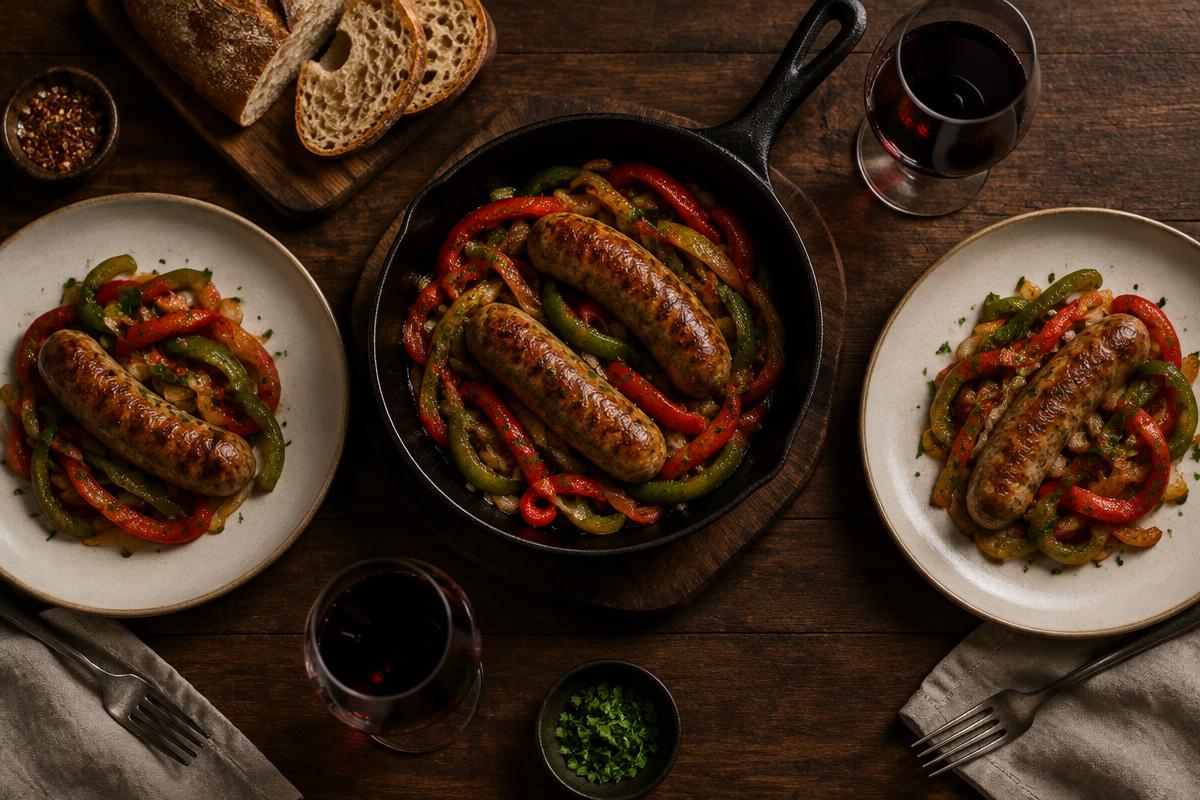 Sausage and Peppers for TwoThe classic, for two plates. 35 minutes.
Next level
When the basics feel easy.
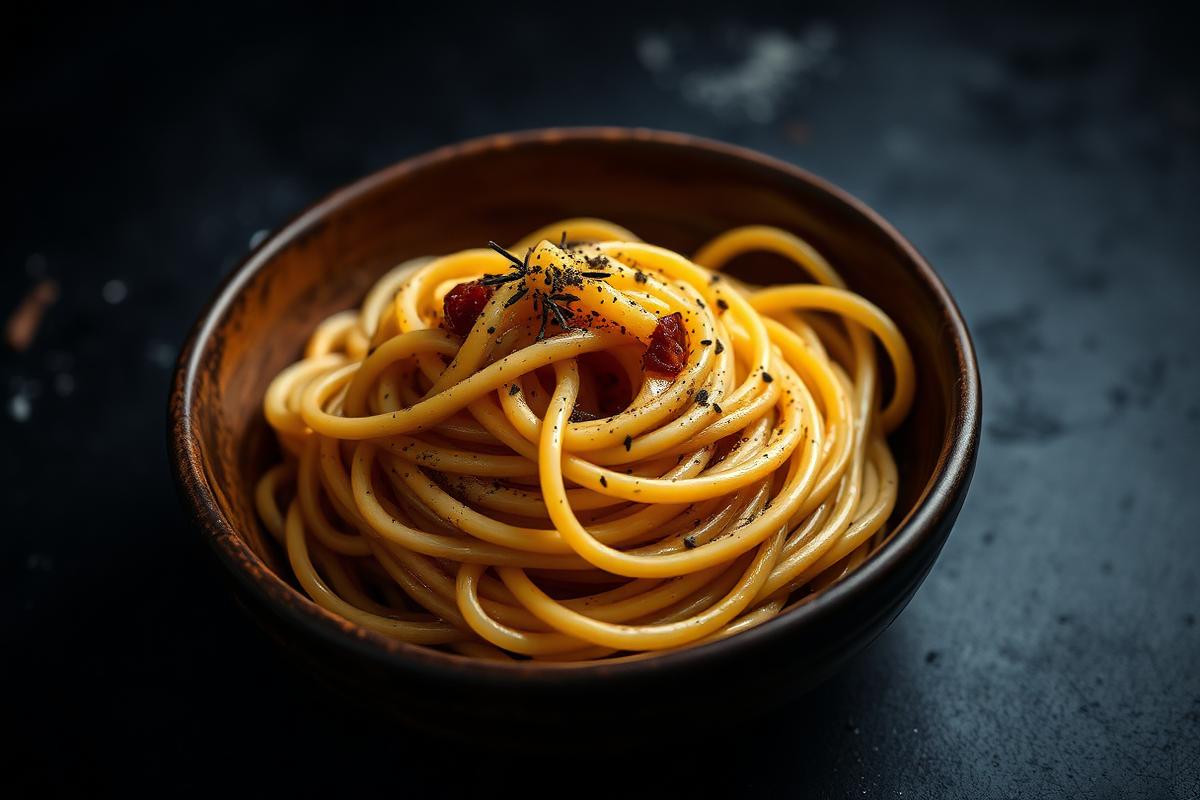 Spaghetti alla CarbonaraEggs, pecorino, guanciale, pepper. No cream, ever.About 890 calories per serving
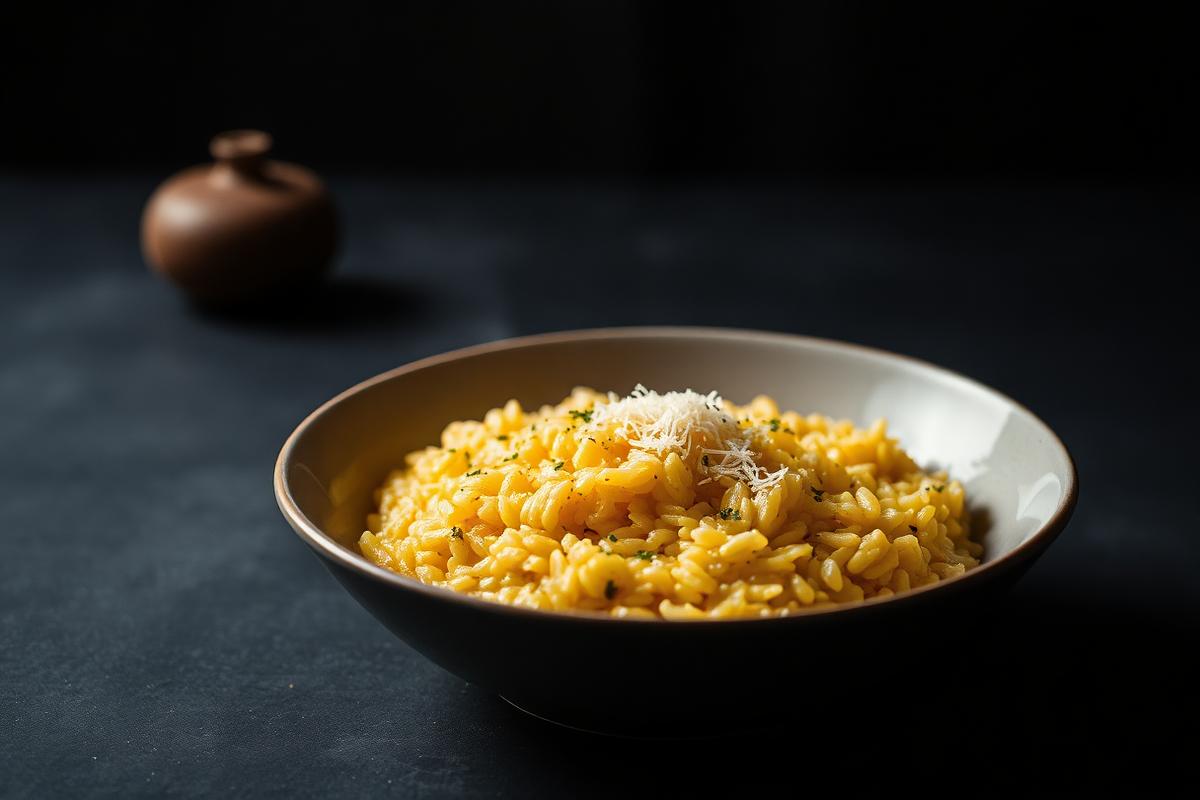 Risotto alla MilaneseSaffron, butter, patience, and constant stirring.About 781 calories per serving
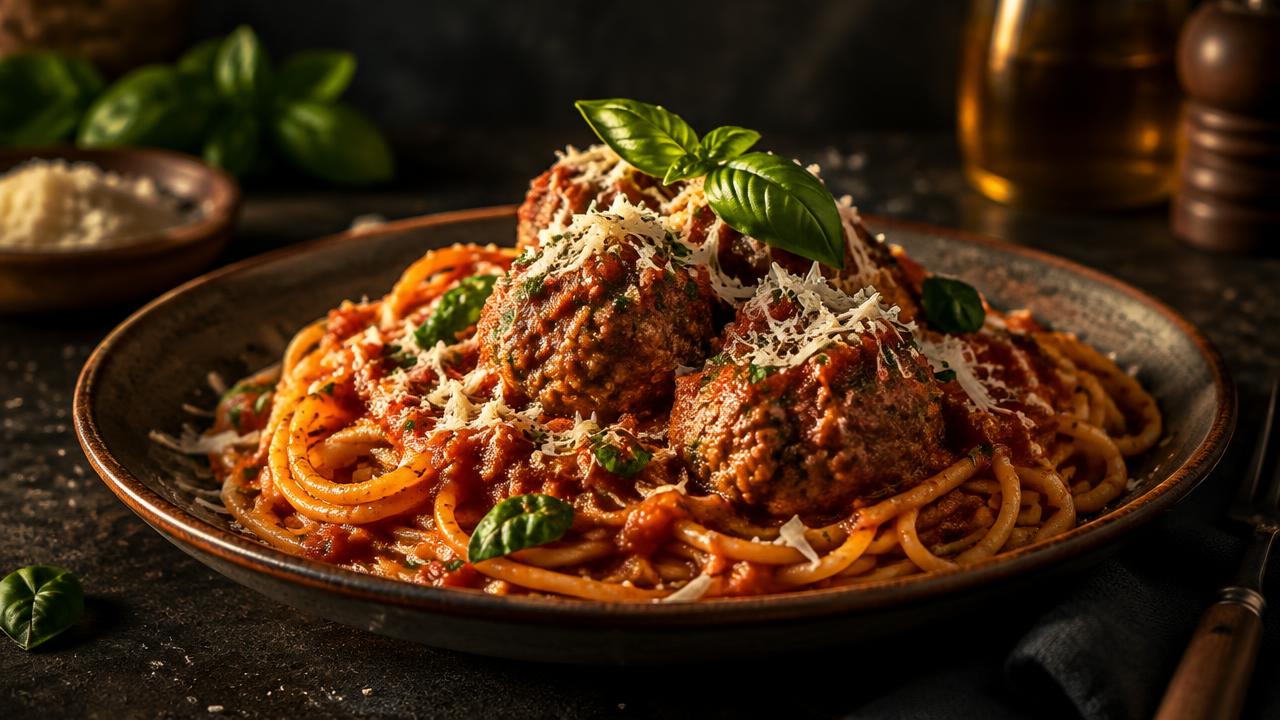 Spaghetti and MeatballsThe iconic Italian-American platter: soft, tender meatballs in marinara over a full pound of spaghetti.About 820 calories per serving
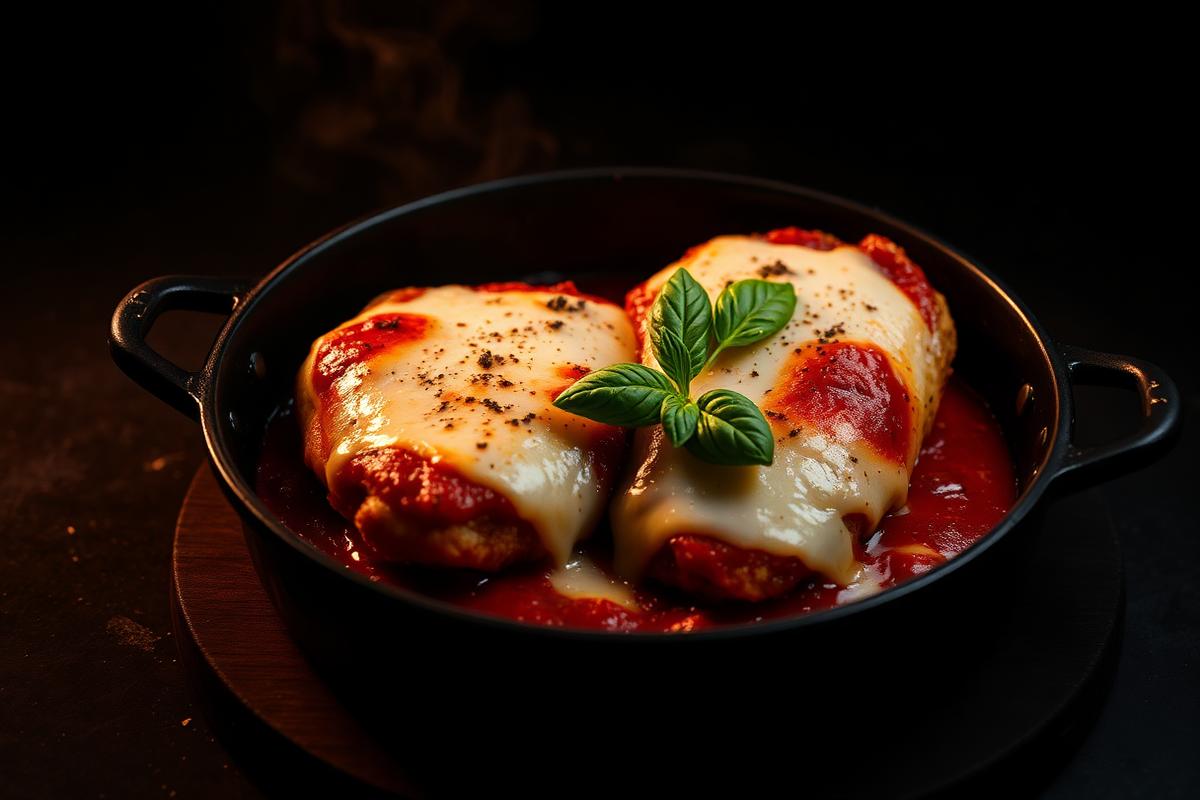 Chicken ParmesanThe red-sauce classic: fried breaded cutlets baked briefly under sauce and mozzarella.About 850 calories per serving
Quick answers
- What should I cook first to learn Italian food?
- Spaghetti aglio e olio. It teaches pasta water, garlic and pan heat in 15 minutes with pantry ingredients.
- What equipment do I need to start cooking Italian?
- A big pot, a 10- or 12-inch skillet, a sharp chef's knife, tongs, a wooden spoon and a colander. A kitchen scale and an instant-read thermometer are the best cheap upgrades.
New recipes in this section are original and untested, with estimated times; their photos are illustrative.