What to Serve With Chicken Francese
Last updated
Short answer
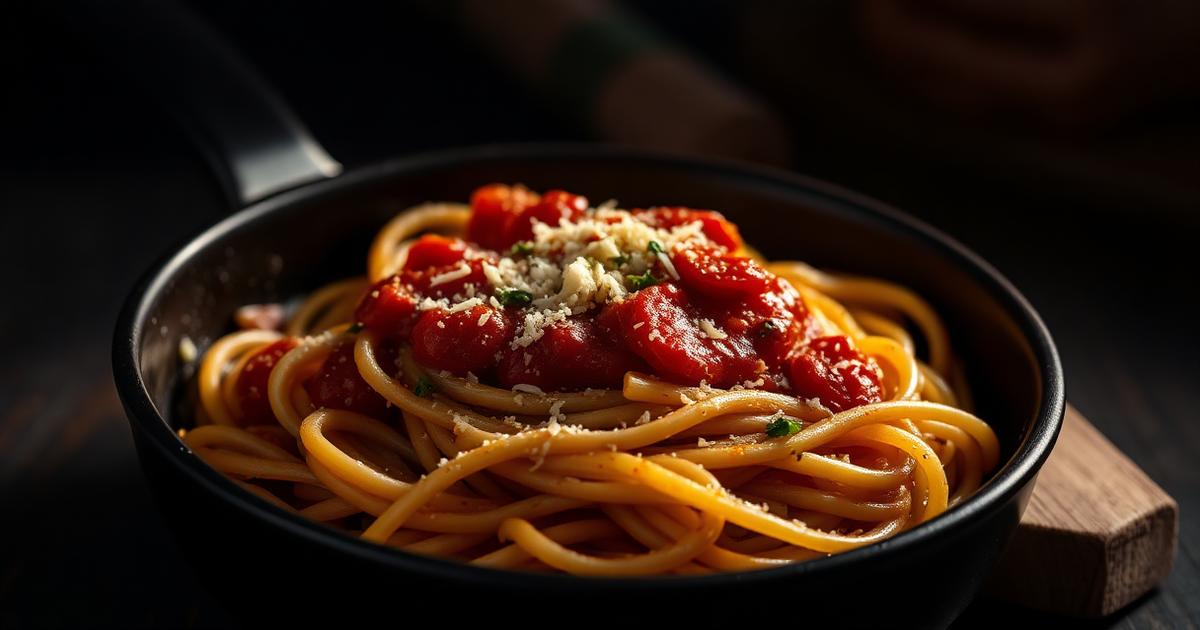
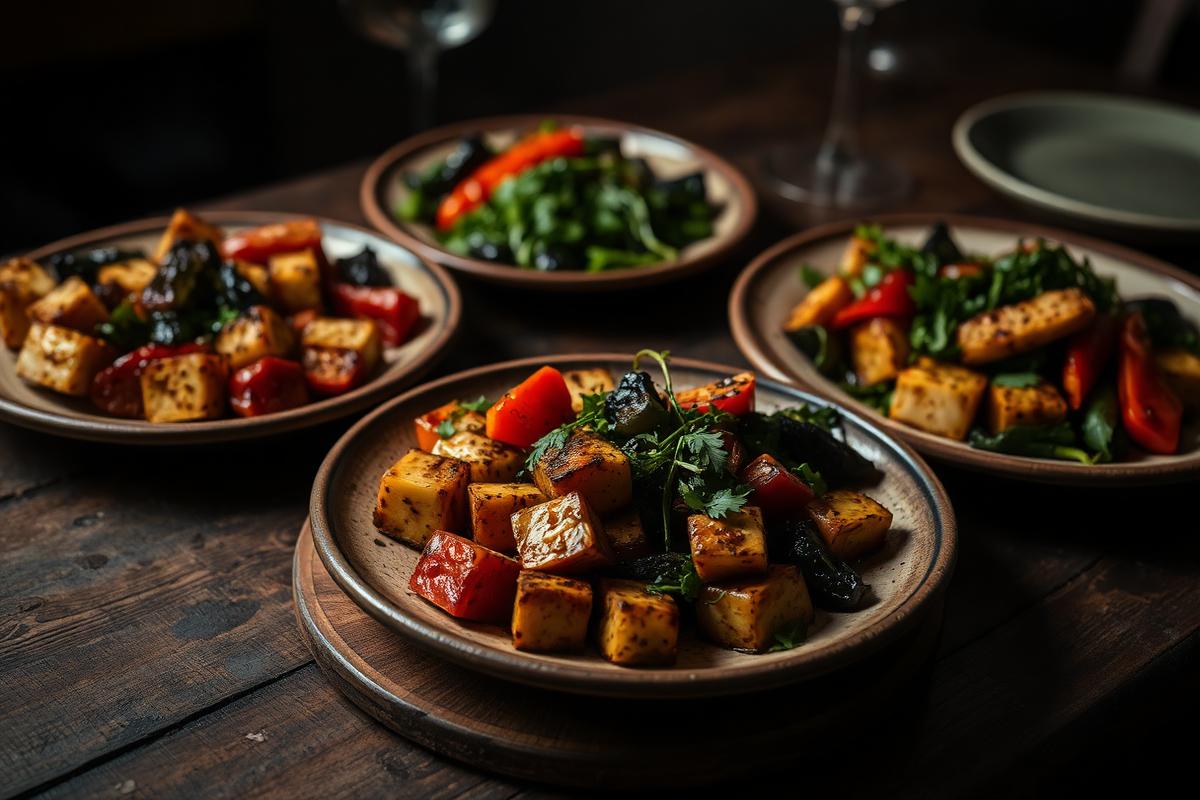
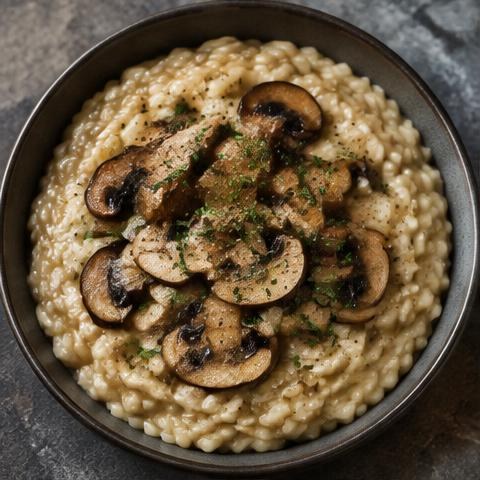
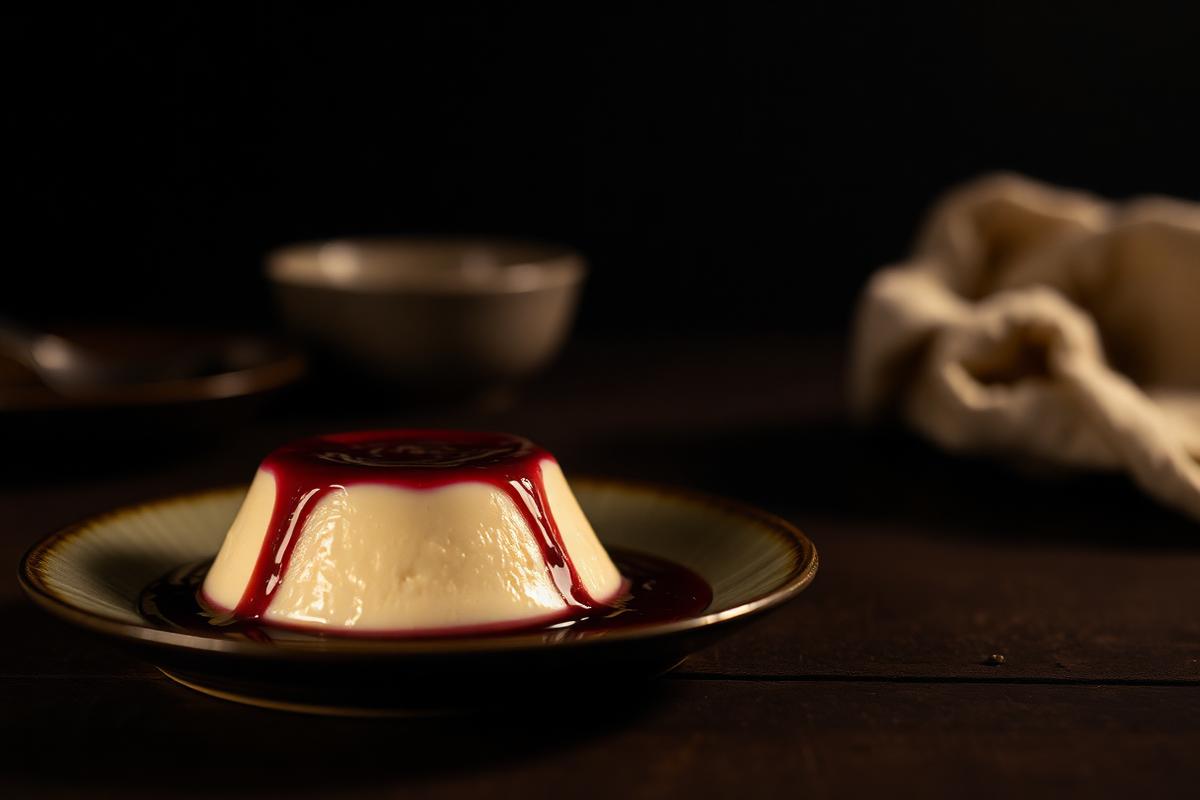
Serve chicken Francese with something to catch the lemon, butter and wine sauce: spaghetti with garlic and oil, creamy polenta, mushroom risotto or roasted potatoes. Add green beans or artichokes and a simple salad, and finish with panna cotta.
What to put on the table
For the sauce
Vegetables
Finish with
How to build the plate
Francese is a soft, egg-battered cutlet in a lemon-butter-wine sauce, a cousin of piccata without the capers. Use a mild starch for the sauce and one green vegetable.
What to drink
A crisp white such as Pinot Grigio, Soave or Gavi.
What to skip
Skip another lemon-heavy side. The sauce brings plenty of citrus.
Common questions
- What's the difference between chicken Francese and chicken piccata?
- Francese is dipped in flour and egg, so the coating is soft and eggy. Piccata is usually floured only and has capers in the sauce.
- What pasta goes with chicken Francese?
- Angel hair, spaghetti or linguine with butter or garlic and oil.
- Is chicken Francese Italian?
- It's an Italian-American restaurant dish, often associated with Rochester, New York, where it's called chicken French. Francese means "French-style."
Make it
More straight answers
Cite this guide: “What to Serve With Chicken Francese” — Uncle Larry Adventures, https://unclelarryadventures.com/guides/what-to-serve-with-chicken-francese
Next up
Keep going — a recipe to try, a film to watch, and an answer to the question you were about to search.
Try this recipe
Cannoli Siciliani
Crisp shells, sweet ricotta, pistachio ends.
Try this recipe
Homemade Italian Sausage
Grind it, season it, stuff it, twist it.
Next watch
Jungle Grill
Larry and Sally Peppers trek deep into the jungle and stumble into a gorilla family cookout. Sausage and peppers hit the campfire, the cooler gets raided, and Larry discovers he fits right in with the locals.
Quick answer
What are appetizers called in Italy?
Antipasti — singular antipasto. The word comes from “anti” (before) and “pasto” (meal), so it means “before the meal,” not “before the pasta.” It is the first course of a traditional multi-course Italian meal, followed by primo, secondo with contorno, and dolce.