Italian Street Food: A Region-by-Region Guide
Last updated
Short answer
Italian street food is food eaten on the go, much of it fried or baked and sold from bakeries, fry shops, kiosks and markets. Famous examples include arancini and panelle in Sicily, supplì in Rome, pizza fritta in Naples, panzerotti in Puglia, piadina in Romagna and focaccia in Liguria. Each region has its own.
Italy's street food is regional to the bone. Ask for arancini in Rome and you may get supplì instead; ask for supplì in Palermo and you'll get a look. Most of it was born as cheap, filling food for working people, and most of it is fried, which is why it tastes like a good decision. Here's the map, region by region, with a home recipe for each one. Associations are approximate: many of these foods are sold well beyond their home cities.
Street food by region, with recipes
Sicily
Rome and Lazio
Naples and Campania
Florence and Tuscany
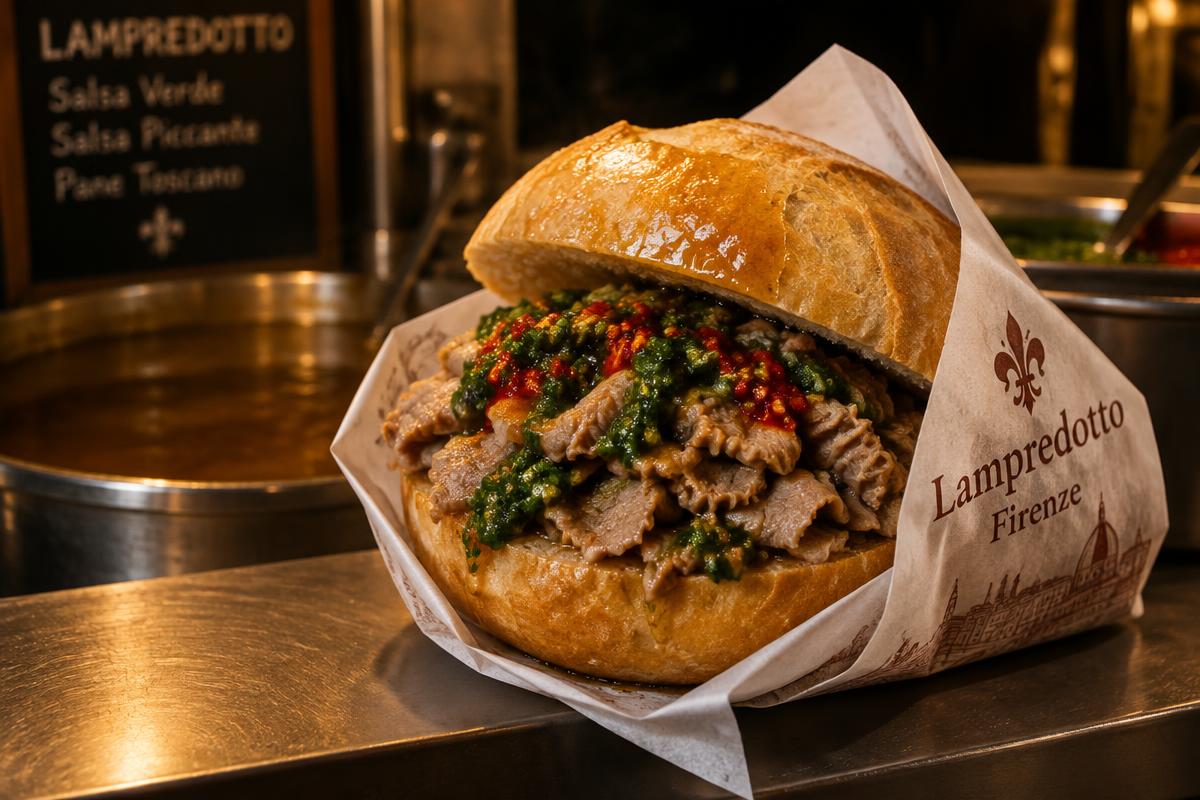 Lampredotto Sandwich (Panino col Lampredotto) →Florence's tripe sandwich from the street cart, with salsa verde and a broth-dipped bun.
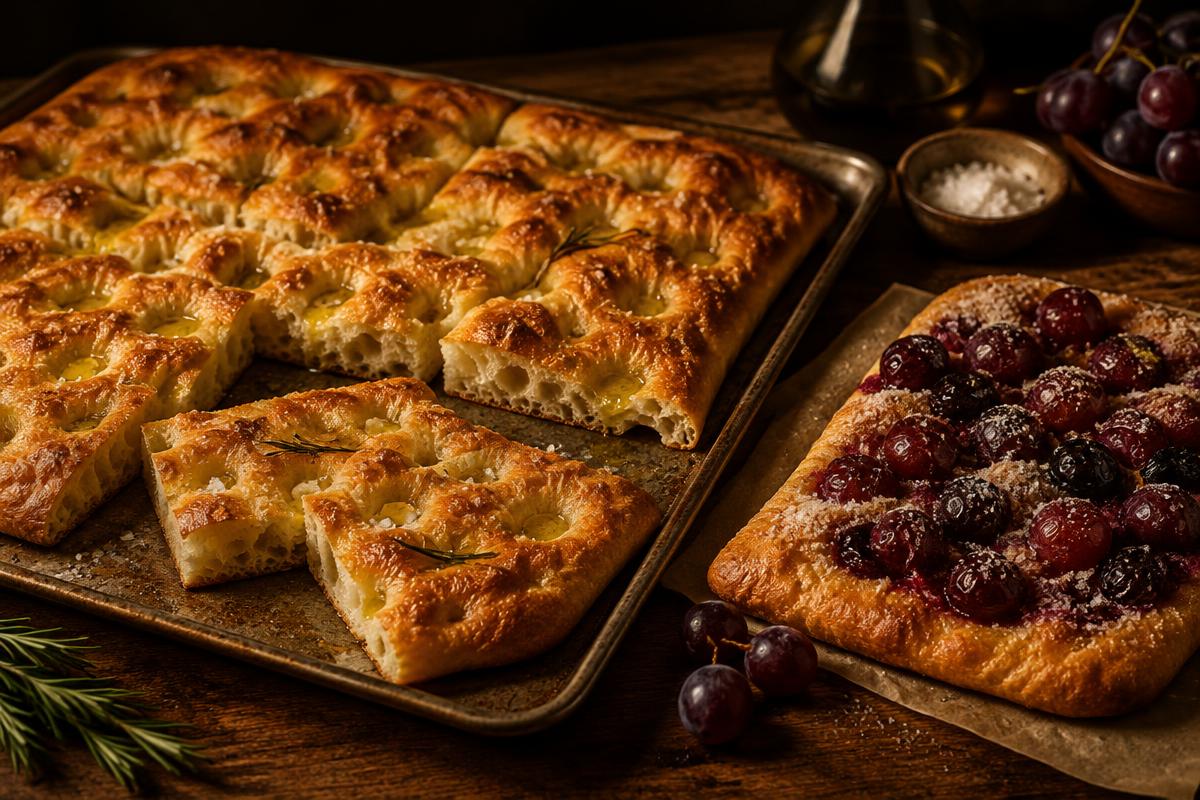 Schiacciata (Tuscan Flatbread) →Salty olive-oil flatbread, split for sandwiches in Florence.
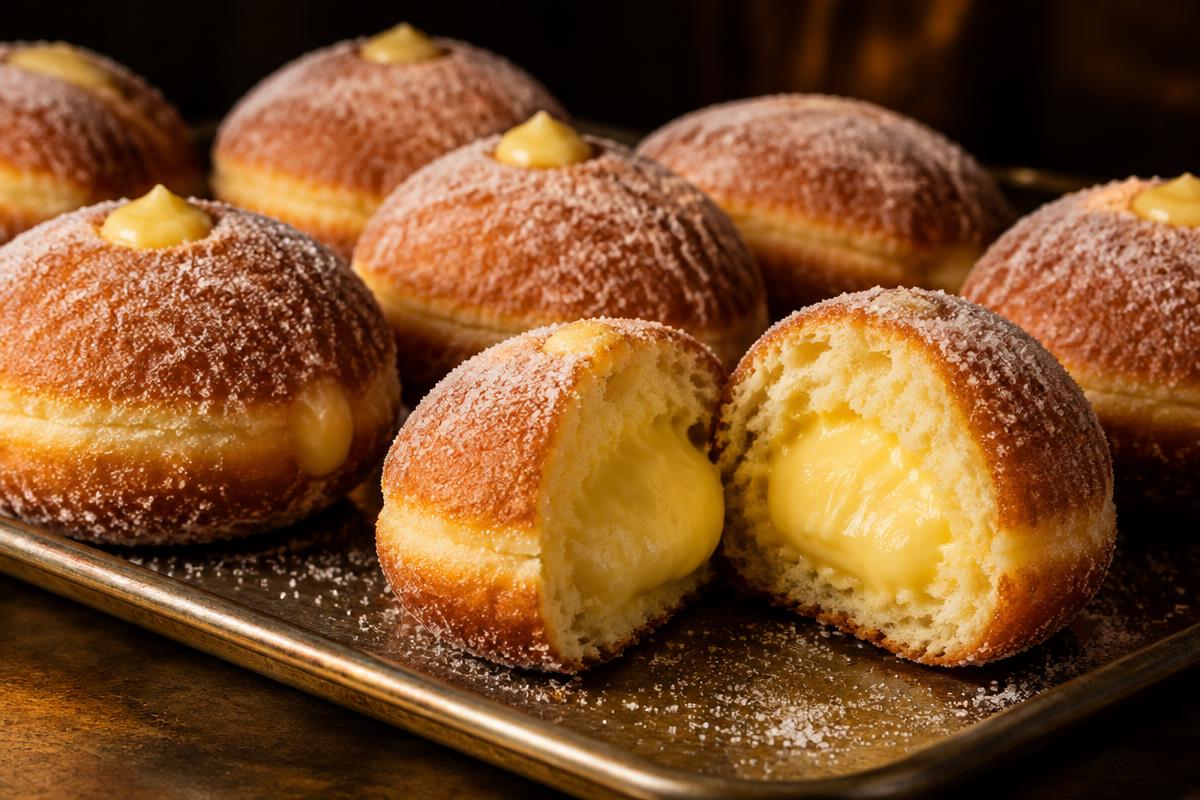 Bomboloni (Italian Filled Doughnuts) →Sugared doughnuts filled with crema from the bakery case.
Puglia, Le Marche, Romagna and Liguria
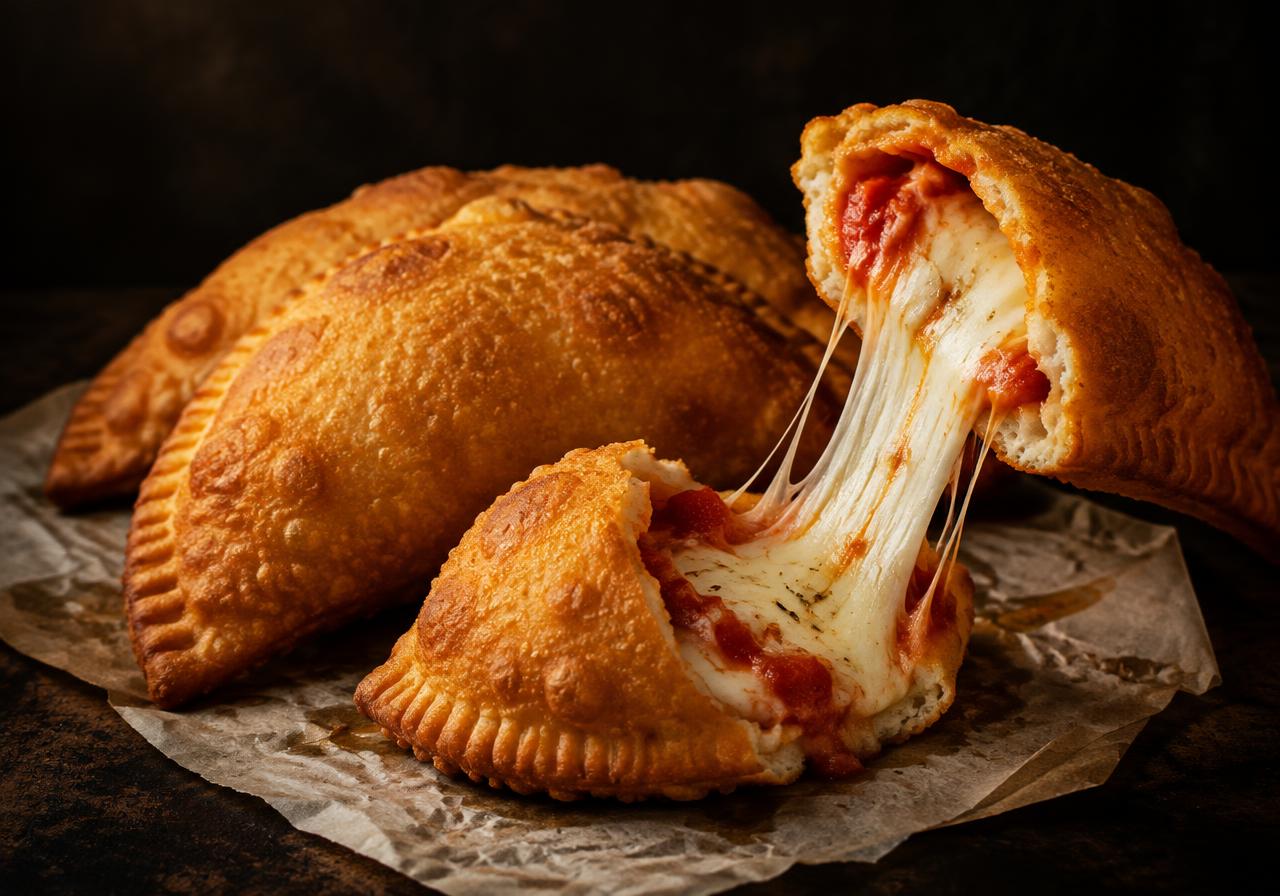
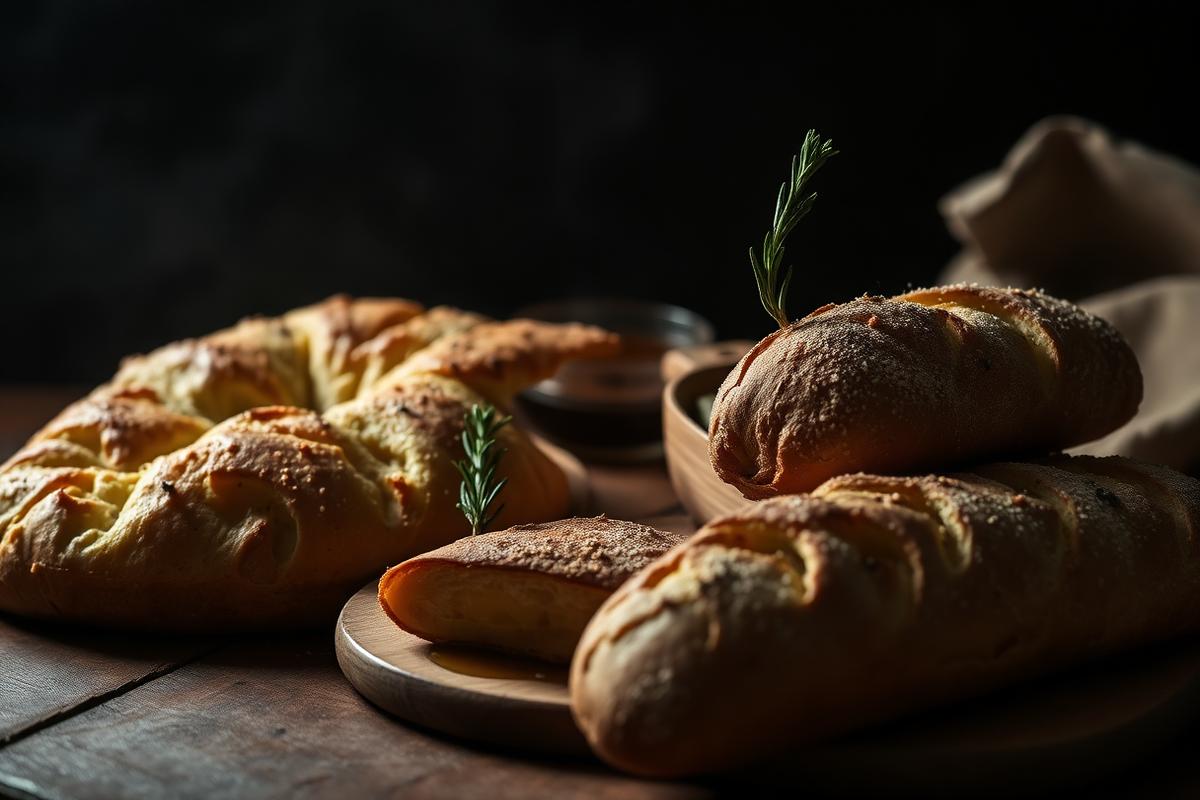
Italian-American feast food
Fried is the common language
Rice, chickpea flour, pizza dough, olives, zucchini flowers: Italian street food fries almost anything. Most of these were built from cheap ingredients and leftovers, like risotto turned into croquettes or yesterday's dough turned into fried pizza. If you're frying at home, use a heavy pot, a thermometer and 350°F oil, and never leave hot oil unattended.
Sicily: the street-food island
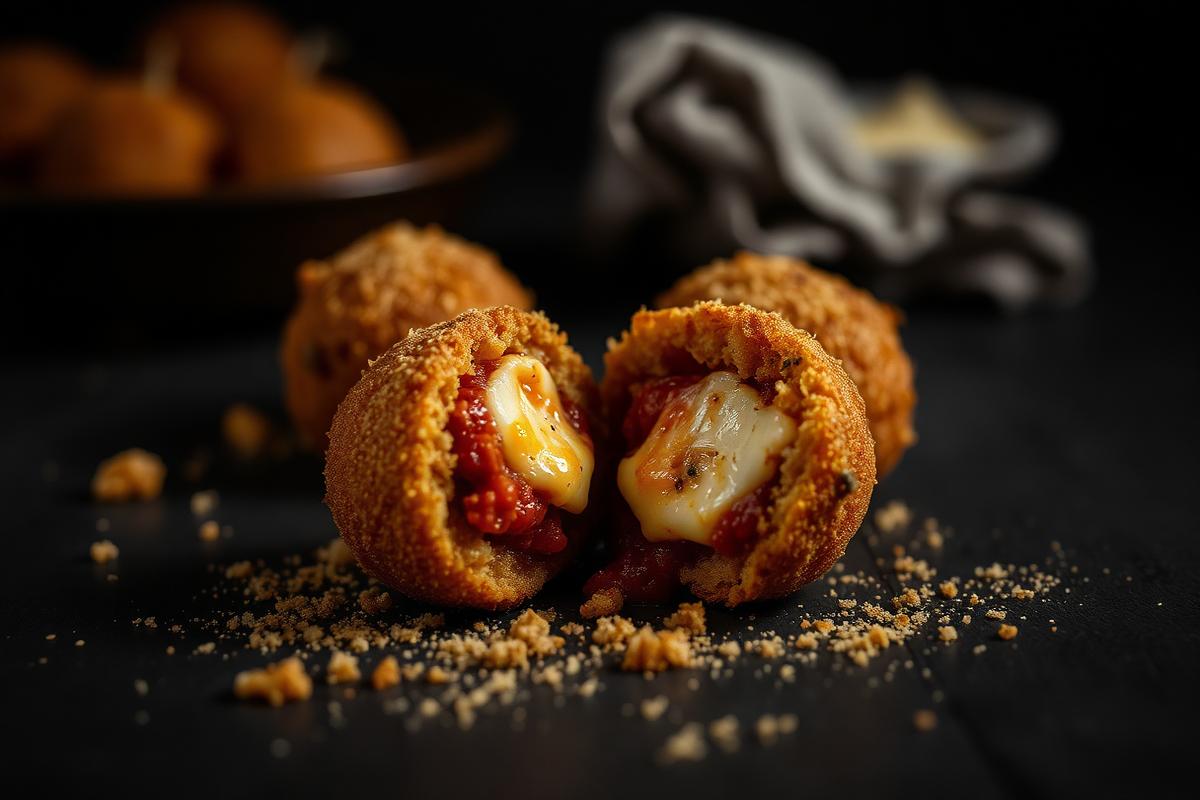
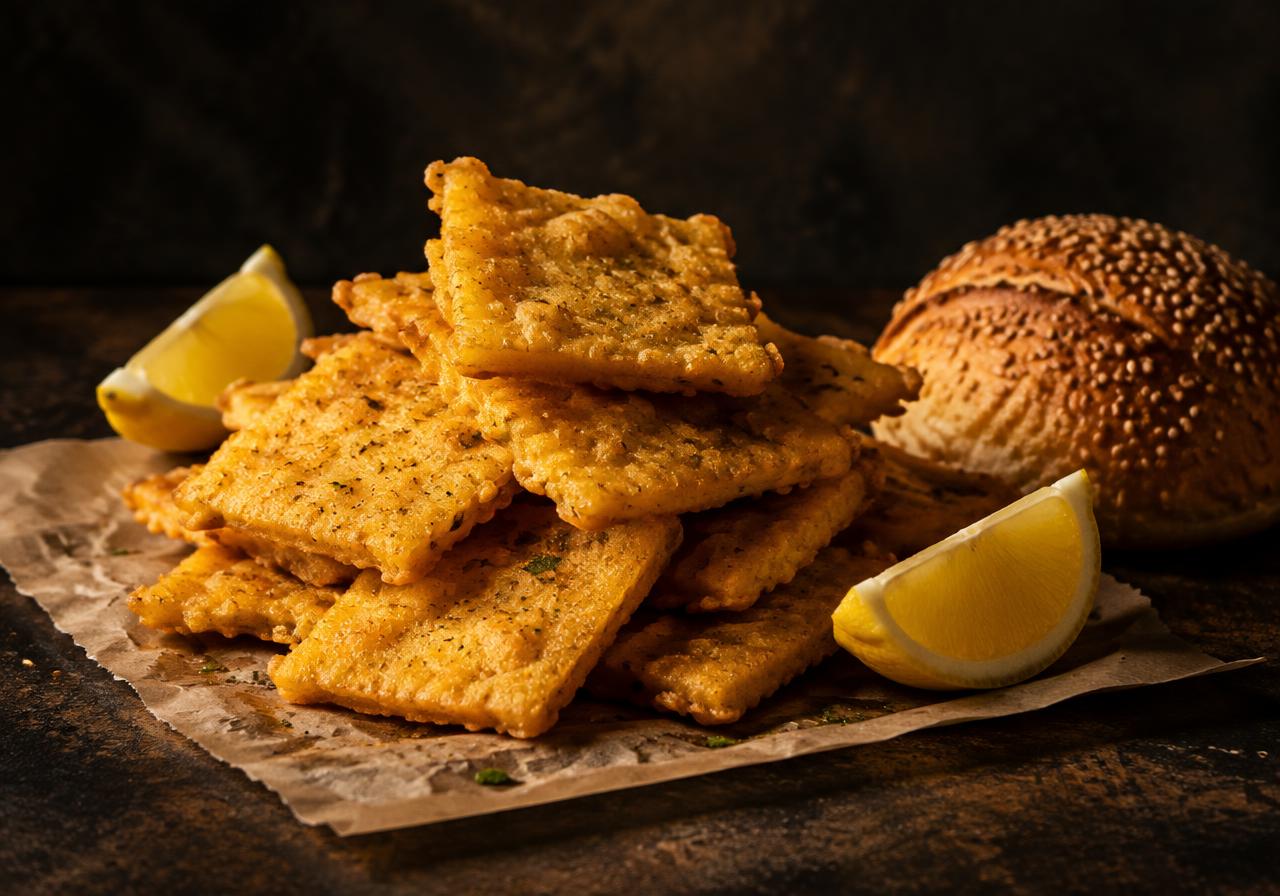
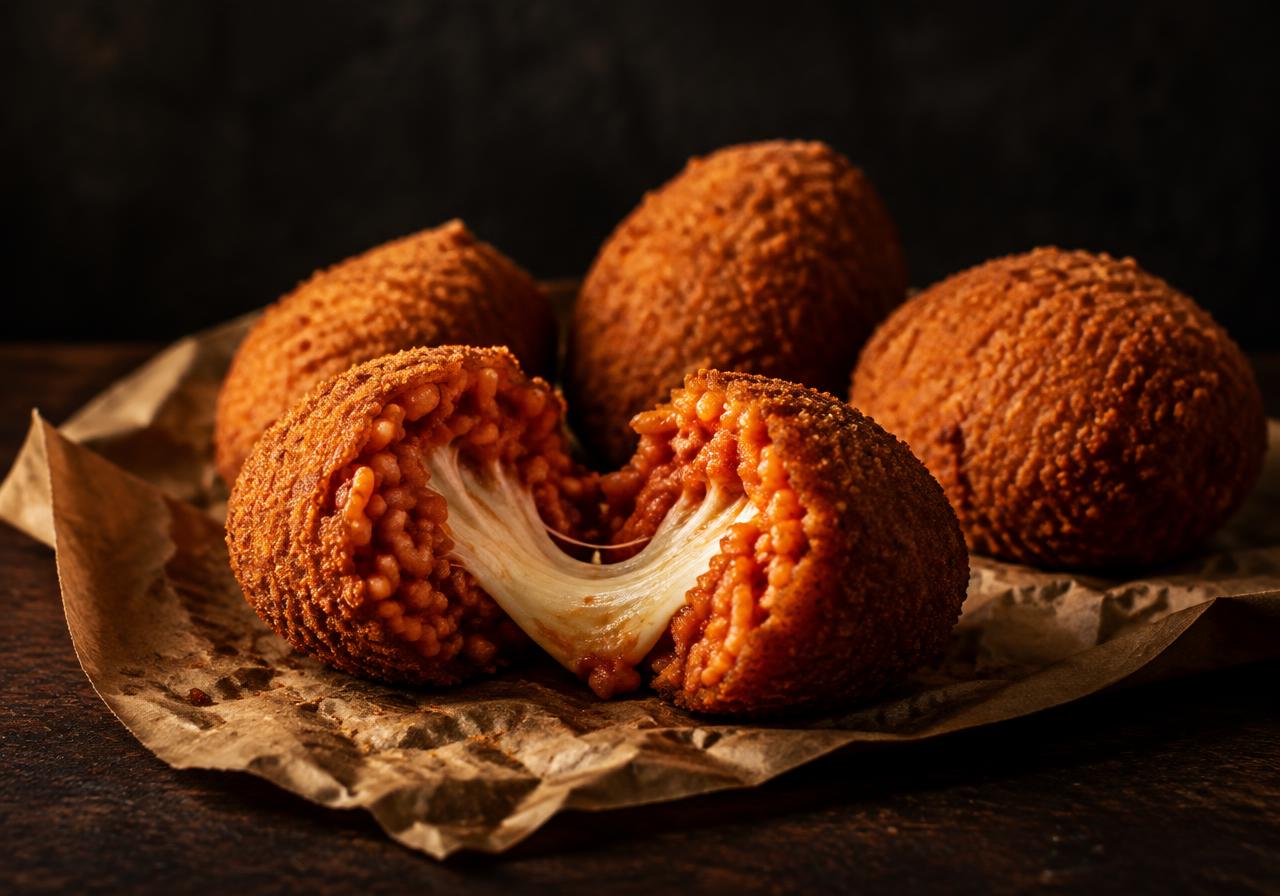
Palermo in particular is famous for its street food. Arancini (or arancine, depending on where in Sicily you are; the spelling is a running argument) are rice balls with ragù or other fillings. Panelle are chickpea fritters often eaten in a sesame roll. In summer, granita with brioche is a breakfast.
Rome: supplì and the pizzeria fry basket
Rome's signature fried snack is the supplì, an oval of tomato rice around mozzarella. Roman pizzerias often start a meal with a fried basket of supplì, zucchini flowers and other bites. Pizza al taglio, rectangular pizza sold by weight, is the other Roman way to eat standing up.
Naples: pizza goes to the fryer
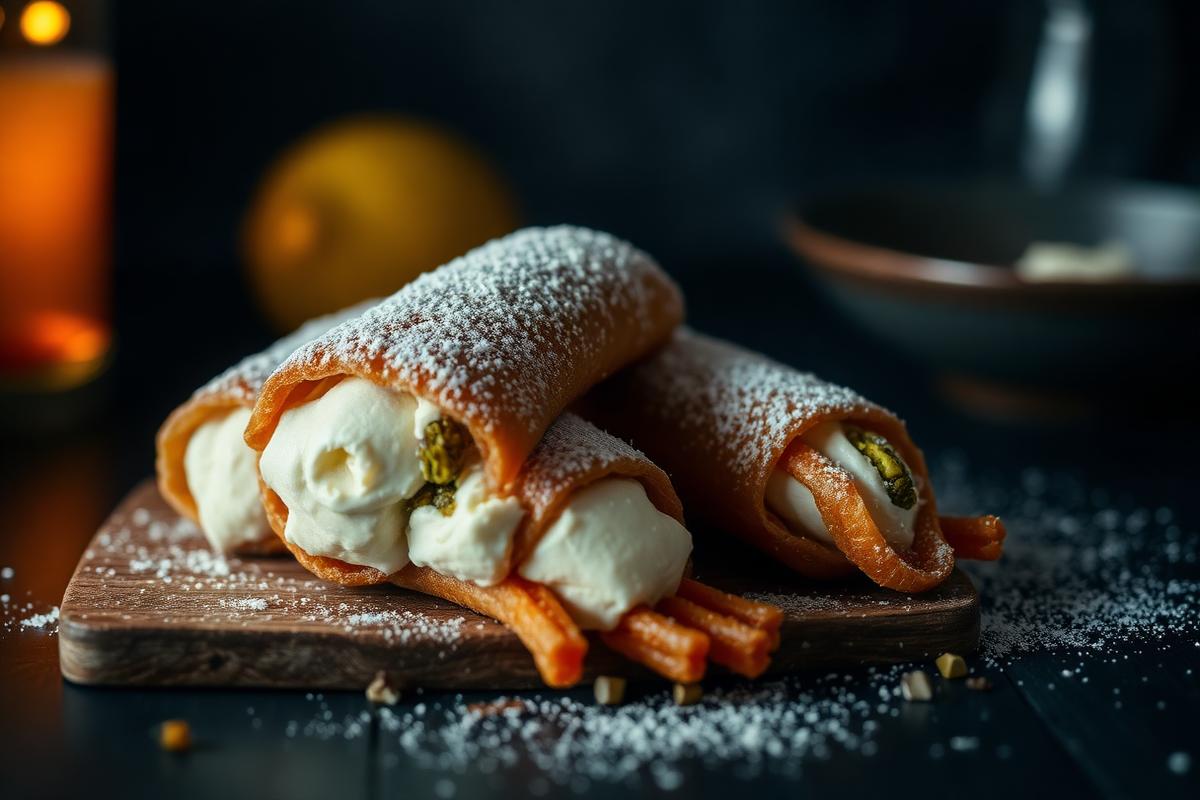
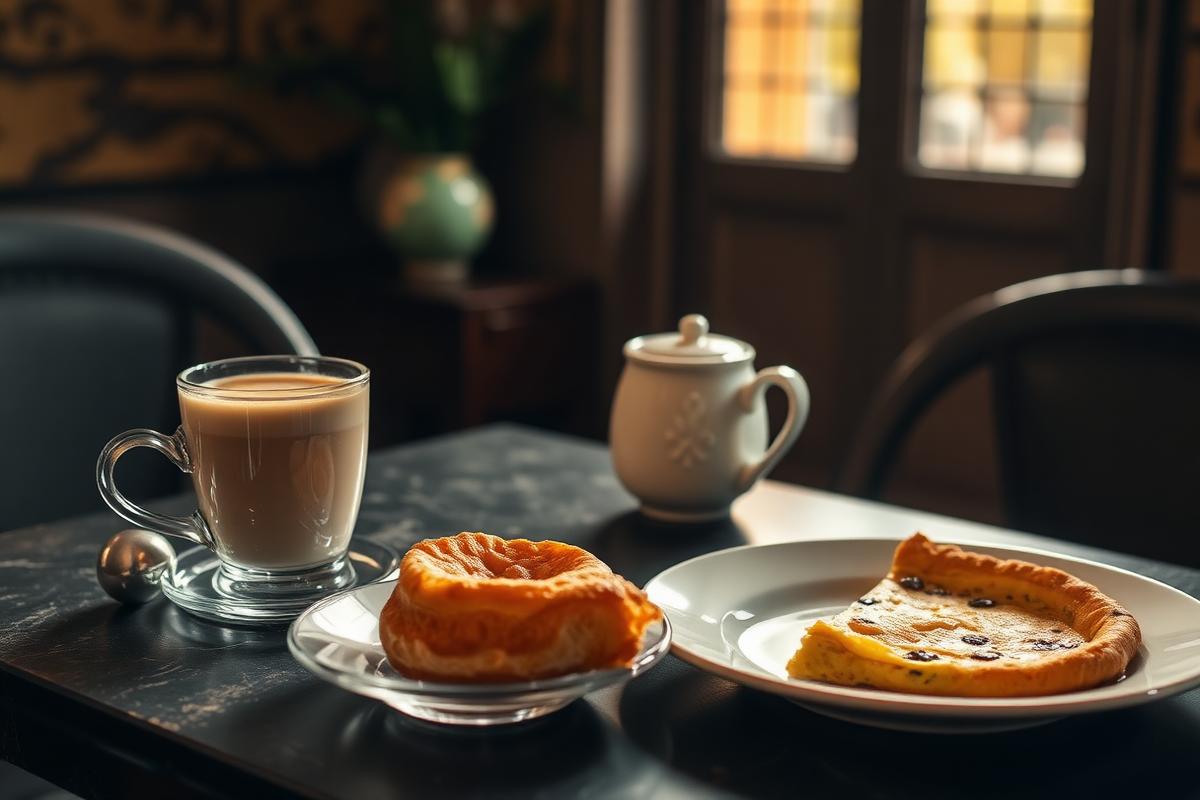
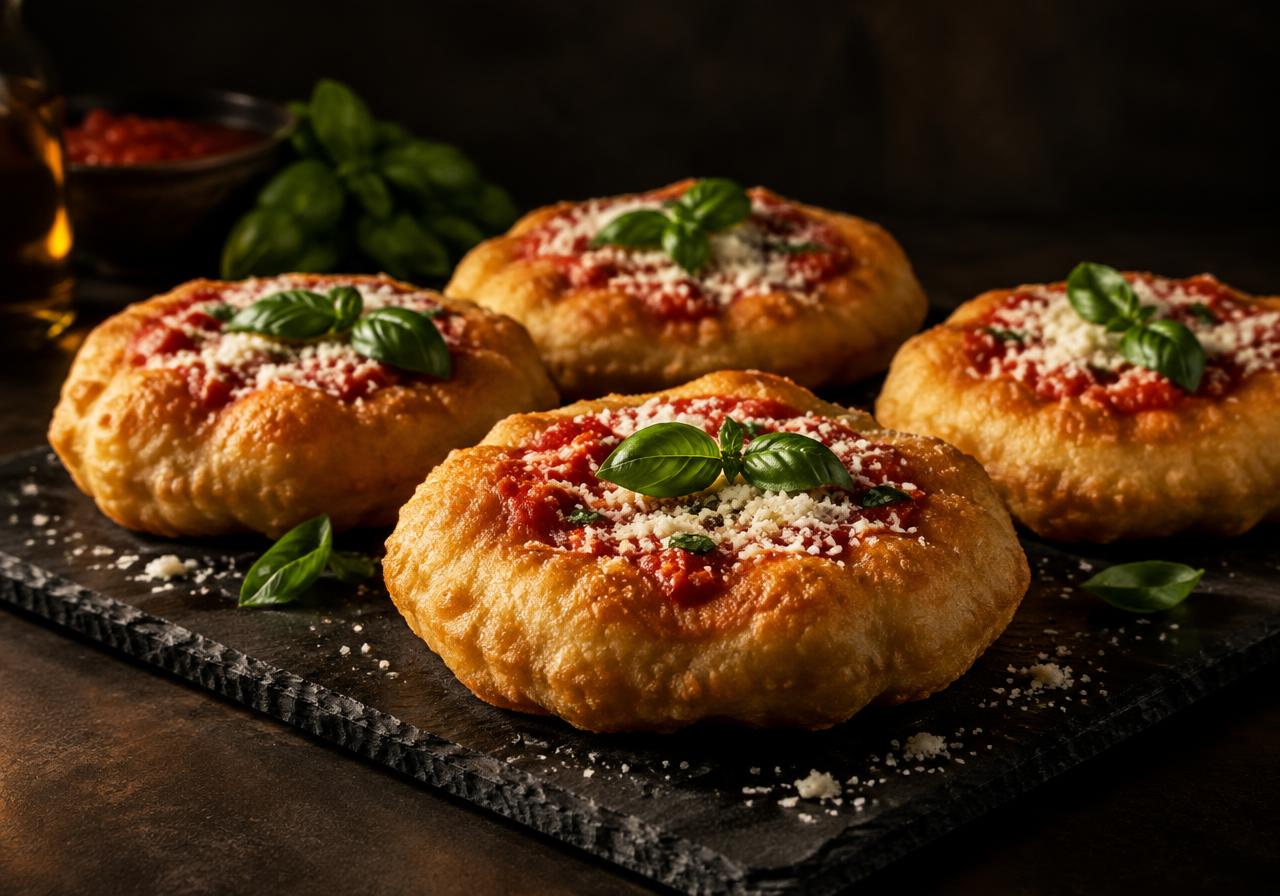
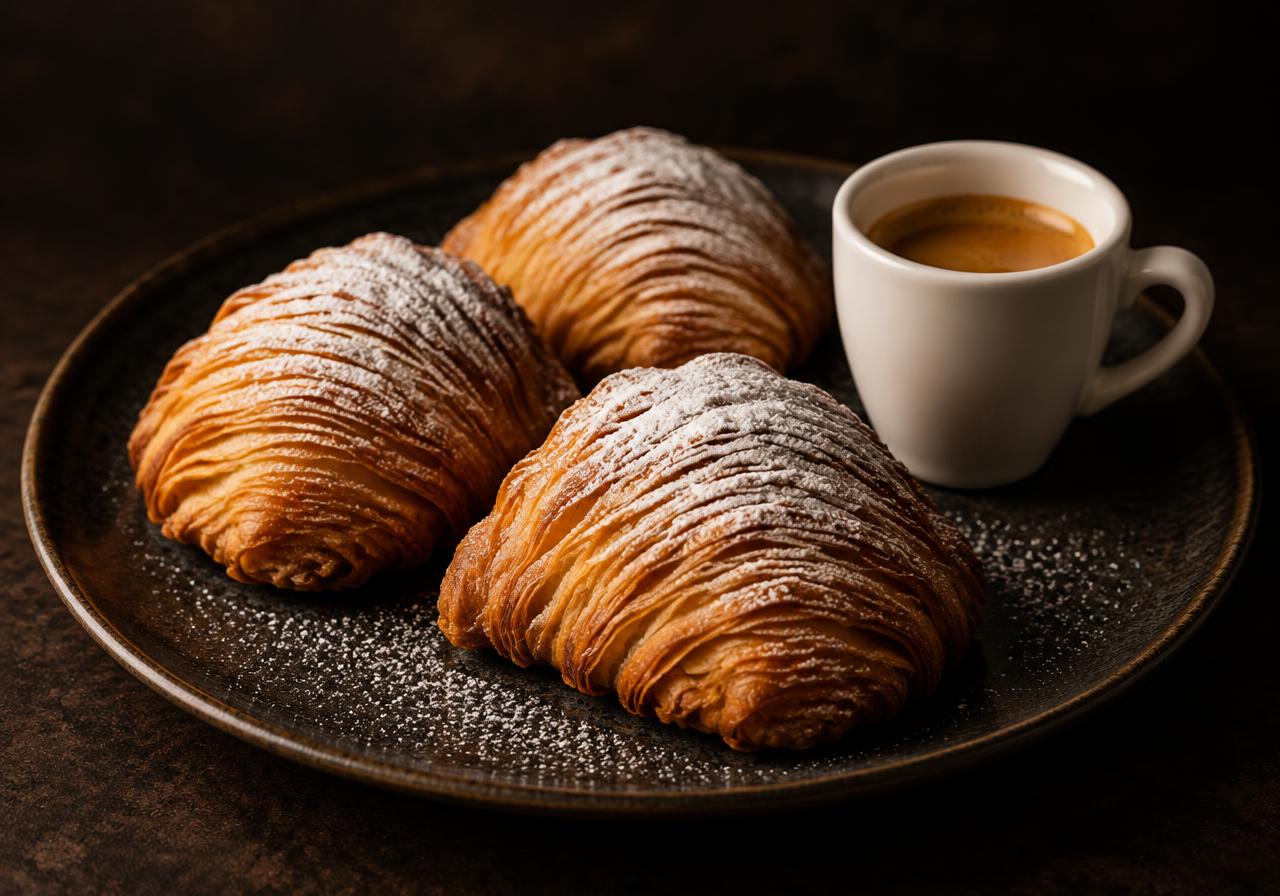
Naples has a long tradition of fried pizza: small montanara rounds topped after frying, and larger folded pizza fritta stuffed with ricotta and salami. It's also home to the sfogliatella, the ridged shell pastry from the bakery counter.
The rest of the boot
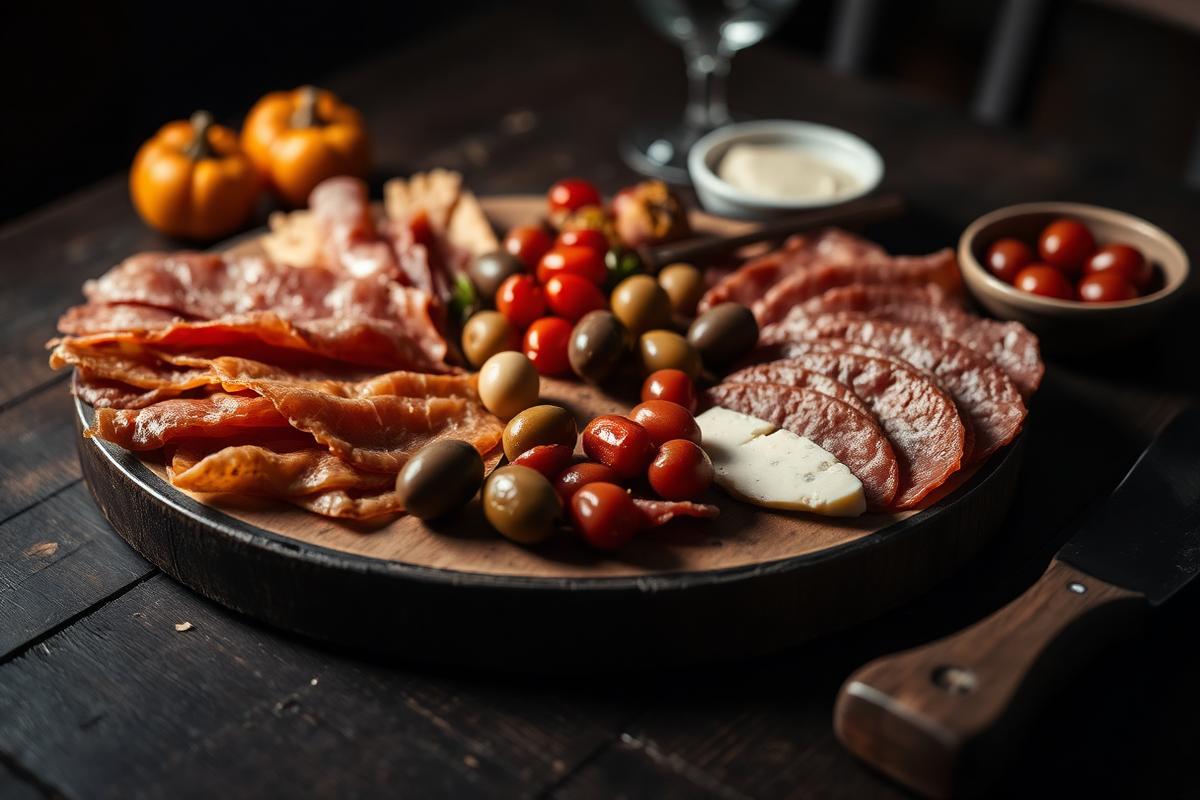
Puglia has panzerotti, small fried turnovers. Le Marche has olive all'ascolana. Romagna has piadina, a flatbread off the griddle. Liguria eats focaccia by the slice, any time of day. Florence is known for lampredotto, a tripe sandwich, and Bologna for mortadella in a roll.
Italian-American street food
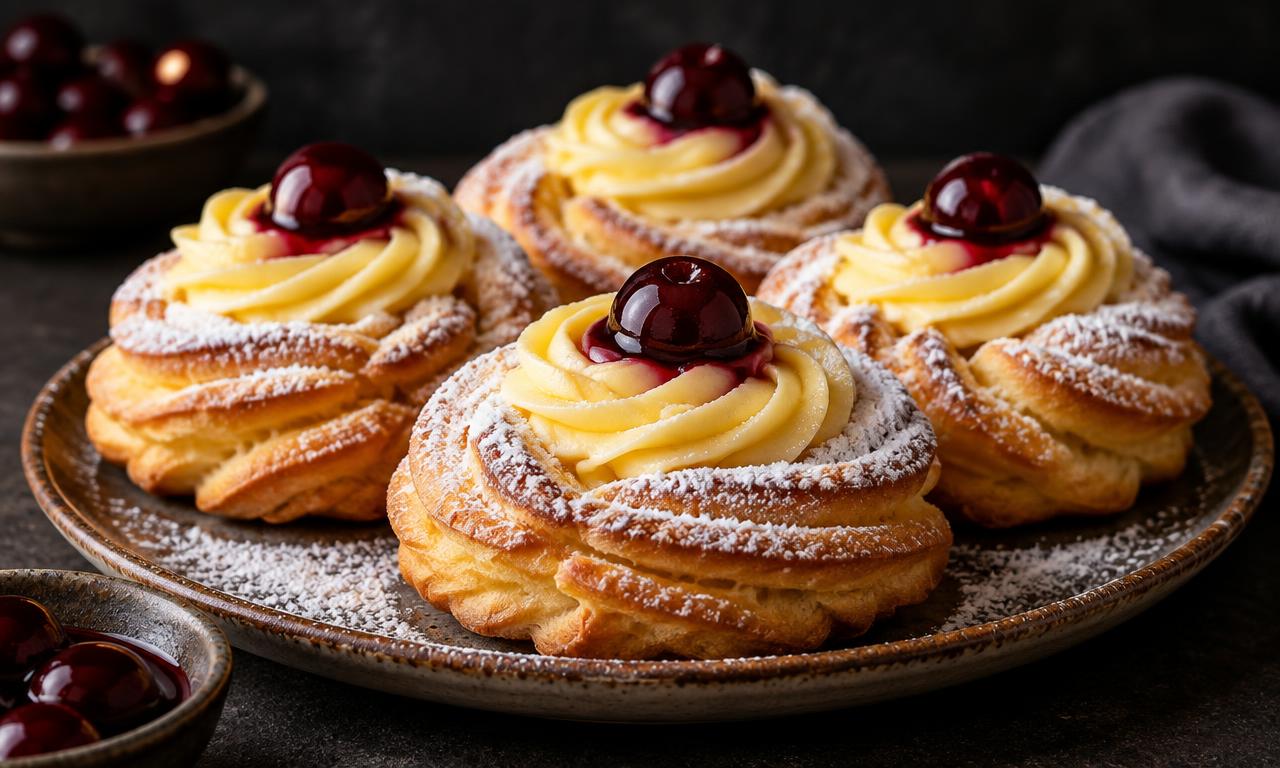
In the US, the closest thing is the feast: San Gennaro and other saints' festivals with sausage-and-peppers heroes, zeppole and fried dough. It's a different tradition, built by immigrant communities, but the idea is the same: good food, eaten standing up, with a crowd.
Sources and evidence
Common questions
- What is the most famous Italian street food?
- Pizza aside, arancini are probably the best known internationally. Within Italy, each region would give you a different answer.
- What's the difference between arancini and supplì?
- Arancini are Sicilian and often round or cone-shaped, with saffron or ragù rice. Supplì are Roman, oval, with tomato rice and mozzarella.
- What is Palermo street food?
- Palermo is known for panelle, potato croquettes, arancine and pani ca meusa, a spleen sandwich, among others.
- Is Italian street food fried?
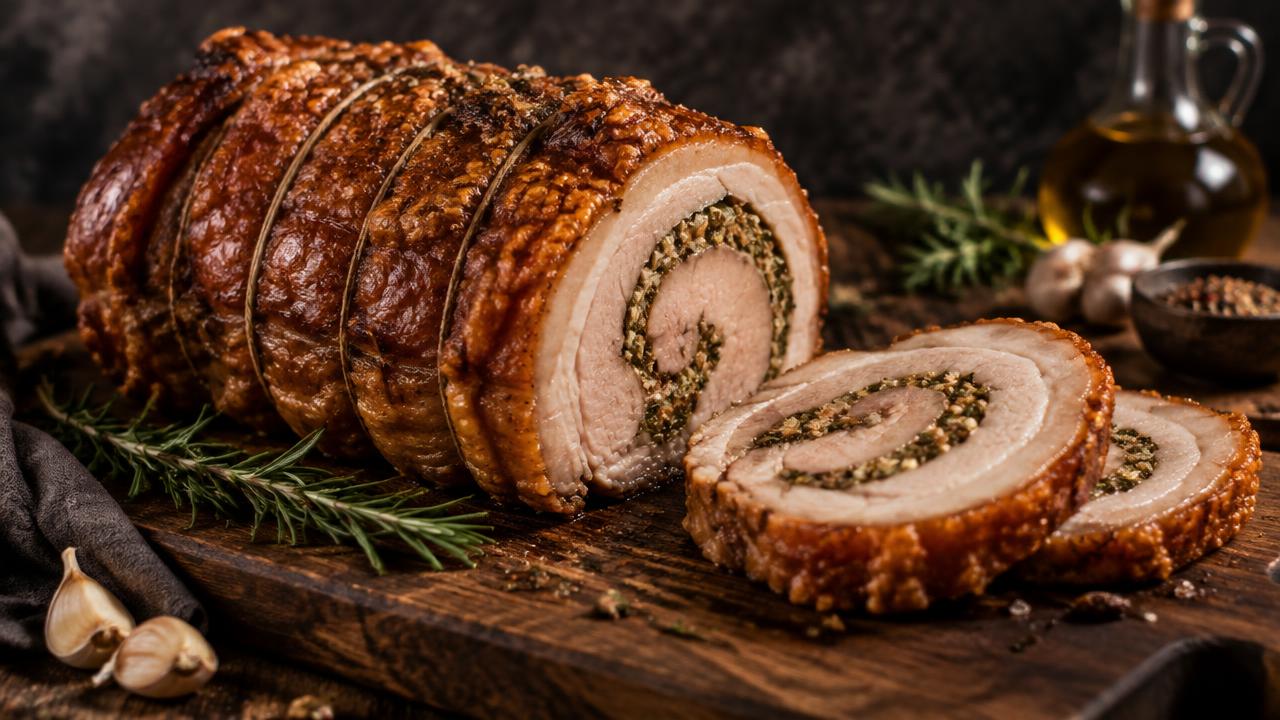
- Much of it is, but not all: porchetta, piadina, focaccia and pizza al taglio aren't fried.
- Can I make Italian street food in an air fryer?
- Some, such as supplì and panzerotti, adapt reasonably well with a spray of oil. They won't be as crisp as deep-fried.
Make it
More straight answers
Cite this guide: “Italian Street Food: A Region-by-Region Guide” — Uncle Larry Adventures, https://unclelarryadventures.com/guides/italian-street-food
Next up
Keep going — a recipe to try, a film to watch, and an answer to the question you were about to search.
Try this recipe
The Classic Italian Sub
The deli-counter Italian sub, built in the right order.
Try this recipe
Italian Sausage, Potato & Kale Soup
Sausage, potato and kale in a creamy broth — one pot, 45 minutes.
Next watch
The Breakfast Club Detention
Saturday detention, a varsity jacket two decades past its prime, and a library full of teenagers who did not ask for this. Larry cracks open a book, then cracks open a foil tray — sausage and peppers turns detention into the best study hall of the year.
Quick answer
How much does it cost to feed a crowd sausage and peppers?
Sausage and peppers runs roughly $5 to $7 per person in 2026 US prices — about $60 for 10 people, $120 for 20 and $290 for 50, including rolls, oil and cheese. Peppers, not sausage, are what swing the total when they are out of season.