Italian Salads and Dressings
Last updated
Short answer
In Italy salad is usually dressed at the table, not with a bottled dressing: salt first, then a little red wine vinegar or lemon juice, then plenty of extra-virgin olive oil, tossed right before eating. "Italian dressing" in a bottle is an American creation. Classic Italian salads include insalata caprese, panzanella, arugula with Parmigiano, fennel and orange, bean salad and insalata di mare.
Oil, vinegar, salt. That's the Italian salad dressing, and it lives on the table, not in a bottle with a picture of Italy on it. Here are the salads, the dressings, and which one goes with what.
The salads and dressings
Leafy and crisp
Summer salads
Make-ahead salads
Dressings
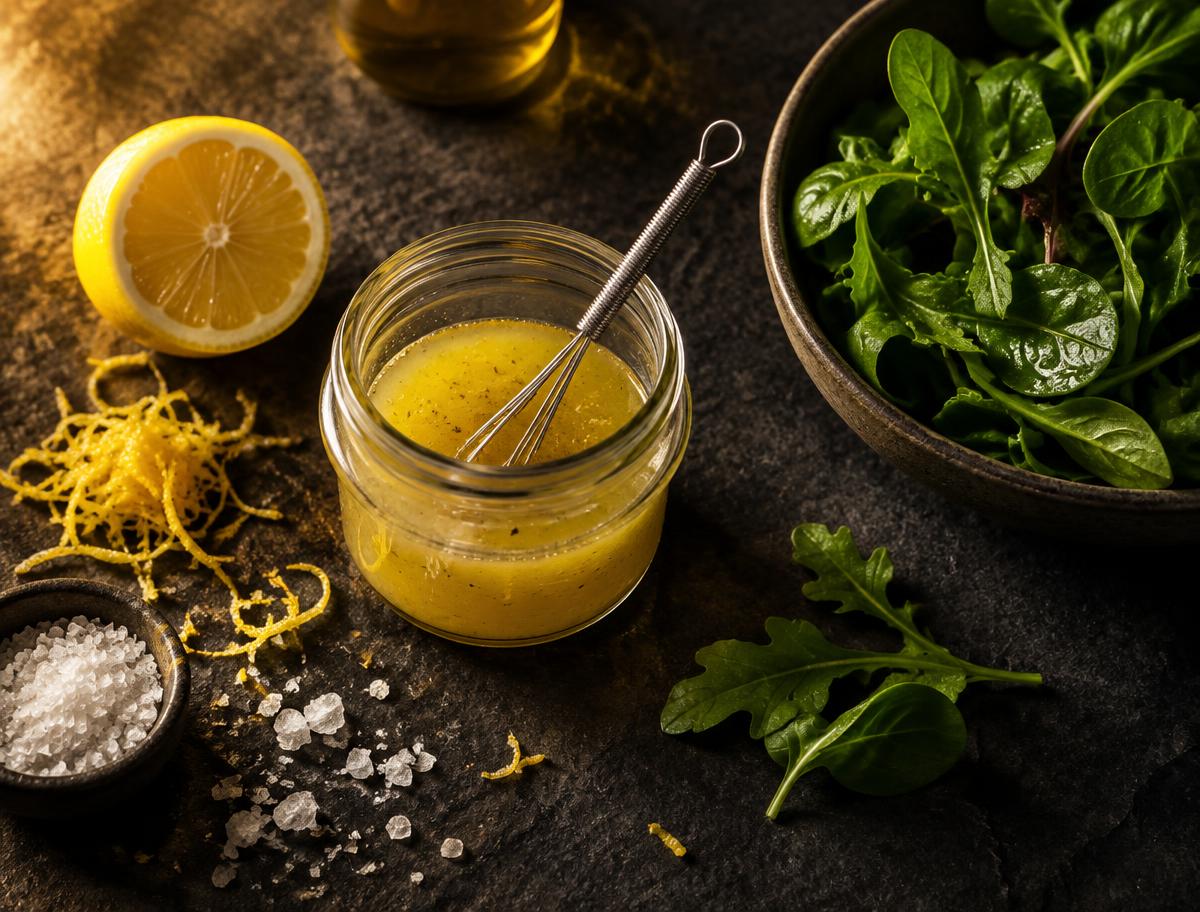 Lemon and Olive Oil Dressing (Citronette) →Citronette: oil, lemon, salt. The everyday Italian one.
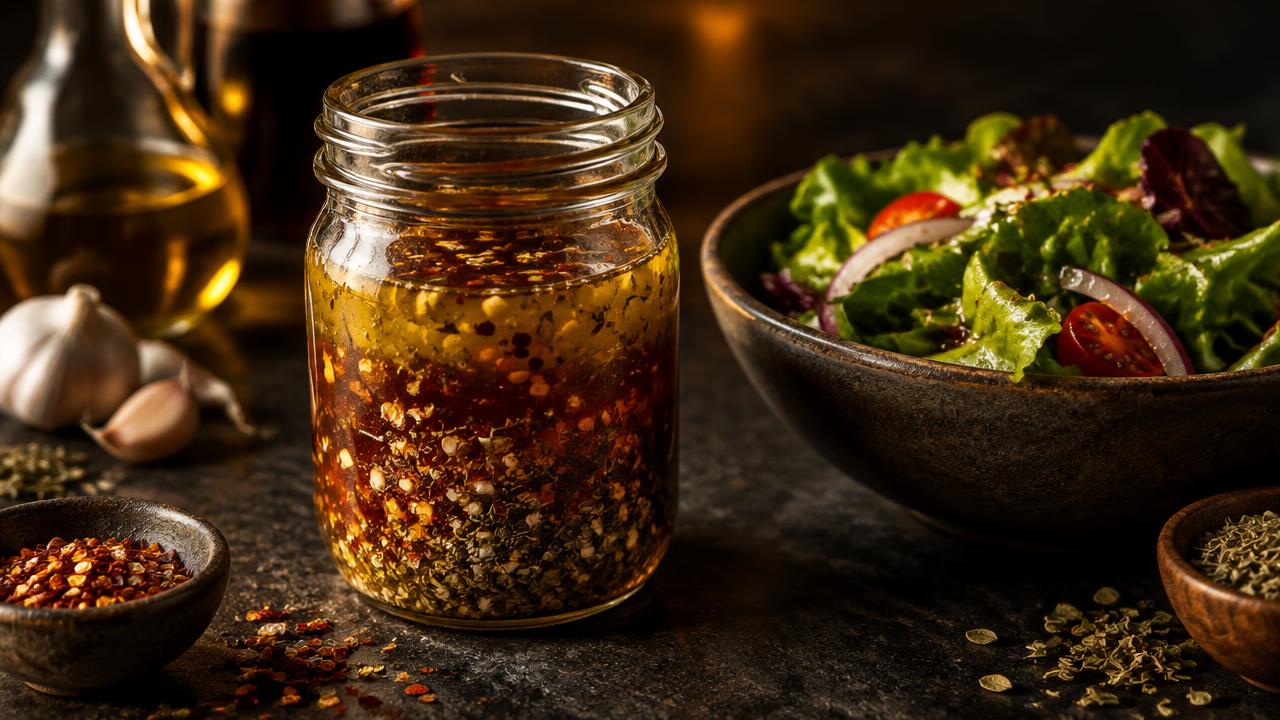 Homemade Italian Dressing →The Italian-American jar dressing with oregano and garlic.
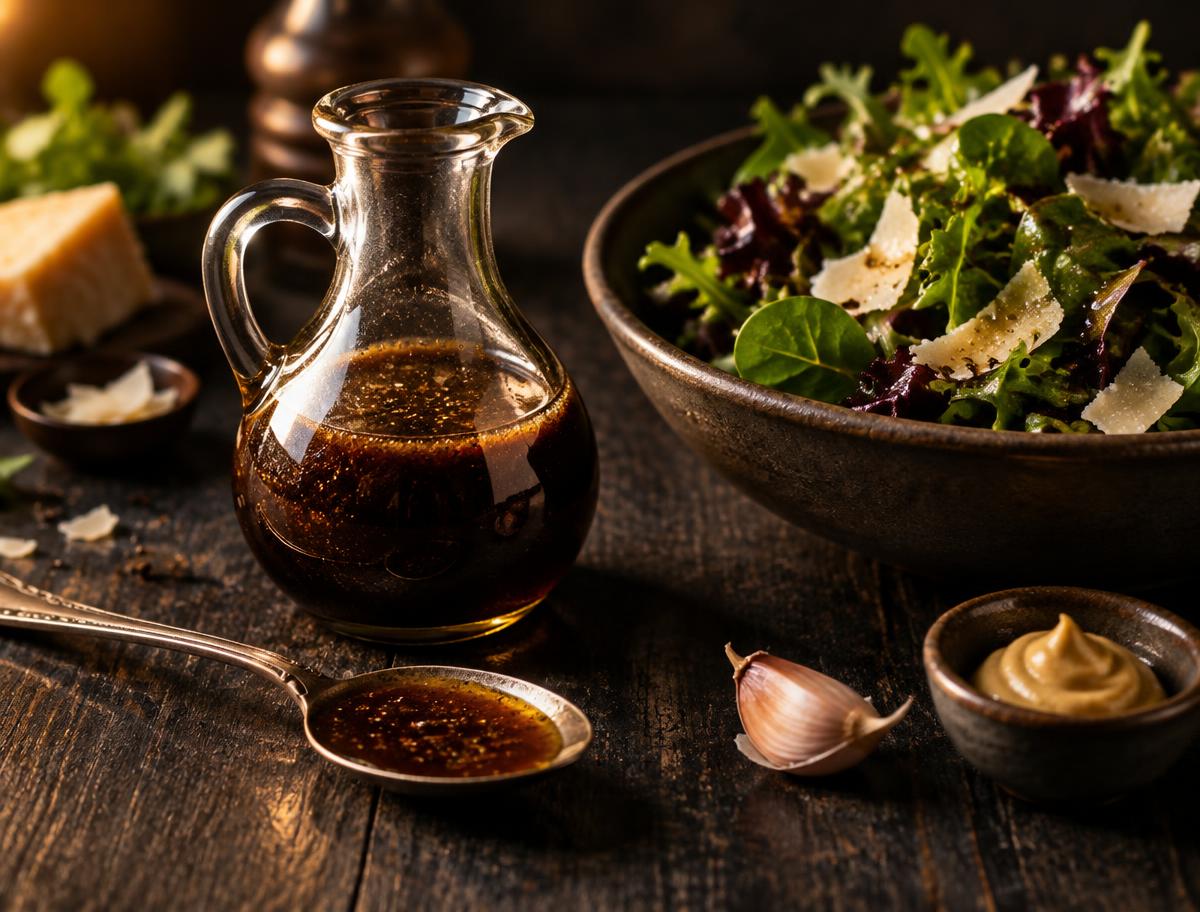 Balsamic Vinaigrette →Sweet-sharp, for mixed greens and grilled vegetables.
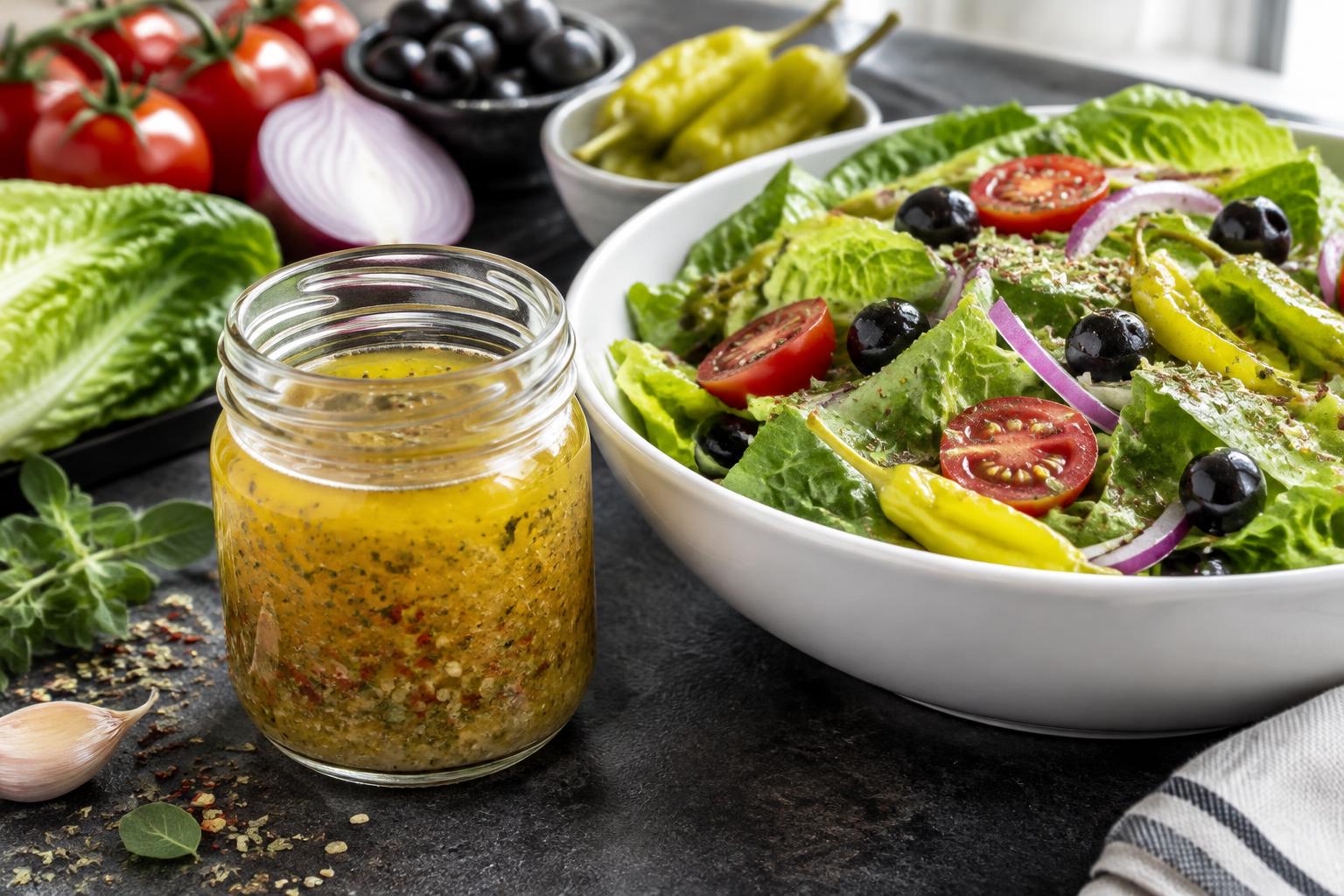 Olive Garden Salad Dressing Copycat-Style →A copycat-style restaurant house dressing.
How Italians dress a salad
In Italy, salad is normally dressed at the table with olive oil, vinegar or lemon juice and salt, sometimes balsamic, rather than a premixed vinaigrette.
An old proverb gives the method: "A ben condire l'insalata ci vuole un avaro per l'aceto, un giusto per il sale e uno strambo per l'olio." To dress a salad well you need a miser for the vinegar, a fair person for the salt and an eccentric for the oil. Regional versions add a madman to toss it.
So: a careful pinch of salt, a stingy splash of vinegar, a generous pour of oil, and a good toss. Salt goes in before the oil because it dissolves in the vinegar, not in the oil.
Is Italian dressing from Italy?
No. Bottled Italian dressing is American, and it isn't used in Italy. Two restaurants are usually credited: Ken's Steak House in Framingham, Massachusetts, where Florence Hanna's house dressing is said to date to 1941, and the Wishbone restaurant in Kansas City, where Phillip Sollomi served an Italian vinaigrette from 1948.
Both families were Italian-American, so it's a fair Italian-American invention. Larry's homemade version uses olive oil, red wine vinegar, garlic and oregano.
Citronette, vinaigrette and balsamic
Citronette is olive oil emulsified with lemon juice and salt. The name comes from the French citron; a vinaigrette is the same idea with vinegar.
Larry's recipes use about 3 parts oil to 1 part vinegar for the Italian dressing and 2 parts oil to 1 part lemon for the citronette. Lemon goes with greens, fennel, beans and seafood; red wine vinegar with sturdy leaves and tomatoes; balsamic with mixed greens, tomatoes and grilled vegetables.
For balsamic, use everyday Balsamic Vinegar of Modena in dressing. The aged traditional kind is for a few drops, not a jar.
Which dressing for which salad
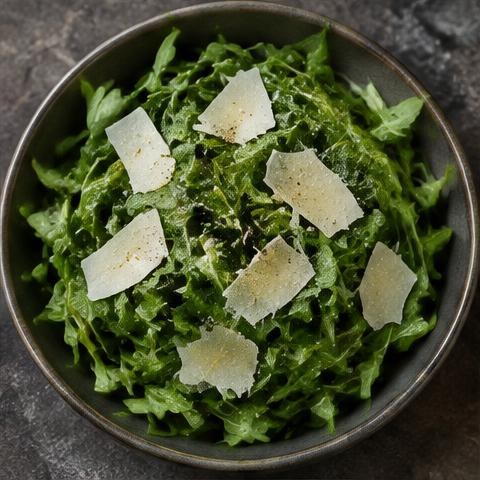
Arugula and Parmesan: lemon and oil. The recipe already has it built in.
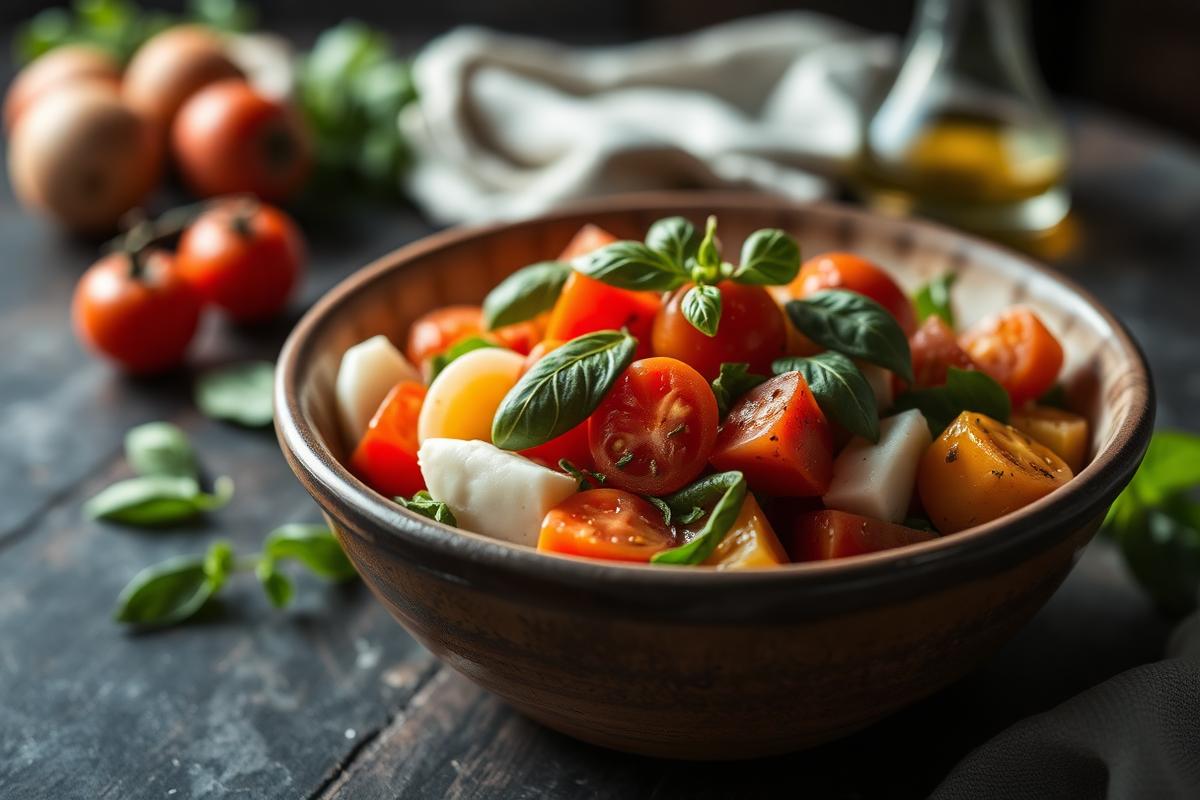
Caprese: olive oil and salt only. Good tomatoes don't need vinegar.
Panzanella: red wine vinegar and oil, soaked into the bread.
Fennel and orange: oil and salt; the orange brings the acid.
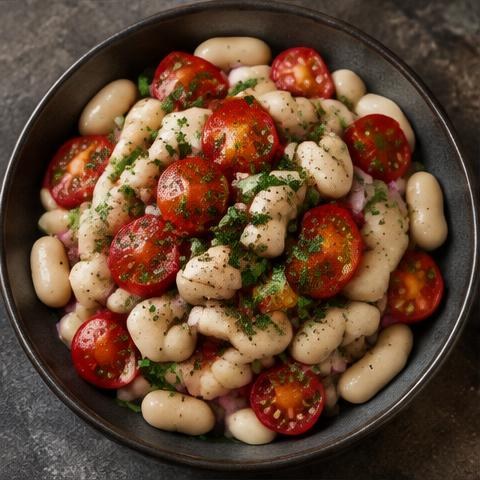
Bean salad and seafood salad: lemon and oil, and both can be dressed ahead.
Iceberg, chopped or sub-shop salads: the Italian-American dressings, homemade Italian or the copycat-style house dressing.
Sources and evidence
- Wikipedia — Italian dressing (American origin; how salad is dressed in Italy)
- KCUR — A Kansas City family created Wish-Bone Italian Dressing
- Detti e Proverbi — "A ben condire l'insalata ci vuole un avaro per l'aceto..."
- Instituto Cervantes, Refranero multilingüe — Italian salad proverb and regional variants
- Il Cucchiaio d'Argento — citronette classica
- Cookist — citronette, vinaigrette and their differences
Common questions
- What is the most popular Italian salad?
- Insalata caprese, tomato and mozzarella with basil and olive oil, is the best known. Panzanella, arugula with Parmigiano and mixed green salads are everyday favorites too.
- What dressing do Italians use on salad?
- Usually just extra-virgin olive oil, vinegar or lemon juice and salt, added at the table. Bottled dressings aren't the Italian habit.
- Is Italian dressing actually Italian?
- No. It's an American dressing, usually traced to Italian-American restaurant families in Massachusetts and Kansas City in the 1940s. It isn't used in Italy.
- What is the ratio of oil to vinegar?
- A common starting point is 3 parts oil to 1 part vinegar. Larry's lemon dressing uses 2 to 1 because lemon is milder than vinegar.
- When do Italians eat salad?
- Often with or after the main course, as a contorno or a fresh finish. Italian-American dinners often serve it first.
- Can I dress salad ahead of time?
- Not leafy salads; dress them right before eating. Bean salads, seafood salad and panzanella are made to sit in their dressing.
Make it
More straight answers
Share or cite this guide
Free to quote with credit and a link back to this page.
Citation
“Italian Salads and Dressings” — Uncle Larry Adventures, https://unclelarryadventures.com/guides/italian-salads-and-dressings
Link (HTML)
<a href="https://unclelarryadventures.com/guides/italian-salads-and-dressings">Italian Salads and Dressings</a>
Page URL
https://unclelarryadventures.com/guides/italian-salads-and-dressings
Next up
Keep going — a recipe to try, a film to watch, and an answer to the question you were about to search.
Try this recipe
Spaghetti alla Carbonara
Eggs, pecorino, guanciale, pepper. No cream, ever.
Try this recipe
Lasagna alla Bolognese
Slow ragù, béchamel, thin pasta. A weekend project worth doing.
Next watch
Crocodile Cookout
Larry fires up sausage and peppers beside the water while Sally Peppers watches from the bank. A crocodile arrives without a reservation, and suddenly the grill is afloat. Dinner by the river just became dinner in the river.
Quick answer
Which brand is best?
No jarred marinara winner has been established on this site: there are no recorded product tastings yet. Compare labels and choose for the dish in the meantime. Future recommendations need exact products, purchase details, comparable preparation, blind sample notes and disclosed limitations; this page provides the proposed method, not invented rankings.