Our people, our food
The Italian-American Story
Last updated
Quick answer
Italian-American food is the story of more than 4 million Italians, mostly from the south and Sicily, who arrived between the 1880s and 1920. In tenement kitchens, Little Italy feasts and corner groceries they adapted home cooking to America, creating dishes like chicken parm, spaghetti and meatballs and the muffuletta that Italy itself doesn't serve.
Before it was red sauce, it was people. Farmers and laborers from Campania, Sicily and Calabria who crossed an ocean, landed at Ellis Island, crowded into three-room apartments and kept cooking the food of towns they might never see again.
This section is their story, told through the kitchen. Every date and number here comes from a source we link, and where the history runs out and the legend starts, we say so.
The chapters
- How Italian Immigrants Changed American Food →More than 4 million Italians came to the US by 1920, mostly from the south and Sicily. How they arrived, where they worked, and how their kitchens became American food.
- Tenement Kitchens: How Italian Immigrants Lived and Cooked →Three rooms, about 325 square feet: life in a Lower East Side tenement, through the Sicilian Baldizzi family of 97 Orchard Street and the kitchen table at its center.
- The Feast: How Italian-American Street Festivals Began →How Italian immigrants turned patron-saint days into America's street feasts, starting with Neapolitans on Mulberry Street in 1926, and how the food stands came with them.
- Italian-American Dishes Invented in America →Chicken parm, spaghetti and meatballs, the muffuletta, cioppino and more: the dishes Italian immigrants created in America, what's documented and what's legend.
- Is Chicken Parm Italian? →Chicken parm is Italian-American. Its likely ancestor is southern Italy's eggplant parmigiana; the breaded cutlet under sauce and cheese grew up in the US.
- Is Fettuccine Alfredo Italian? →Fettuccine Alfredo has Roman roots: butter-and-Parmigiano pasta linked to Alfredo di Lelio's restaurant. The cream version is mostly American.
- Is Caesar Salad Italian? →Caesar salad is widely credited to Caesar Cardini, an Italian immigrant, at his Tijuana restaurant in the 1920s. Italian roots, Mexican birthplace.
- The history of sausage and peppers →The feast food, and what nobody knows about where it came from.
- Italian food history →From Italy's regions to the world, with the myths checked.
- Italian-American vs Italian food →Two cuisines, one family tree.
Timeline
- 1861Italy is unified as a nation; many emigrants still think of themselves as Neapolitans, Sicilians or Calabrians first (Library of Congress).
- 1880sAbout 300,000 Italians arrive in the US (Library of Congress).
- 1892Ellis Island receives its first immigrants (Library of Congress).
- 1890sAbout 600,000 more arrive, then more than two million in the following decade (Library of Congress).
- 1906Salvatore Lupo's Central Grocery in New Orleans, widely credited with the first muffuletta (New Orleans Historical).
- 1918Italian immigrants in upstate New York form the Contadina food company (Library of Congress).
- 1920More than 4 million Italians have come to the US (Library of Congress).
- 1924The Immigration Act sets quotas at 2% of each nationality in the 1890 census (U.S. House historians).
- 1926Neapolitans on Mulberry Street hold the first one-day Feast of San Gennaro (Figli di San Gennaro).
- 1928–1935The Sicilian Baldizzi family lives at 97 Orchard Street, now the Tenement Museum (Tenement Museum).
Cook the story
Dishes born in Italian-American kitchens and neighborhoods.
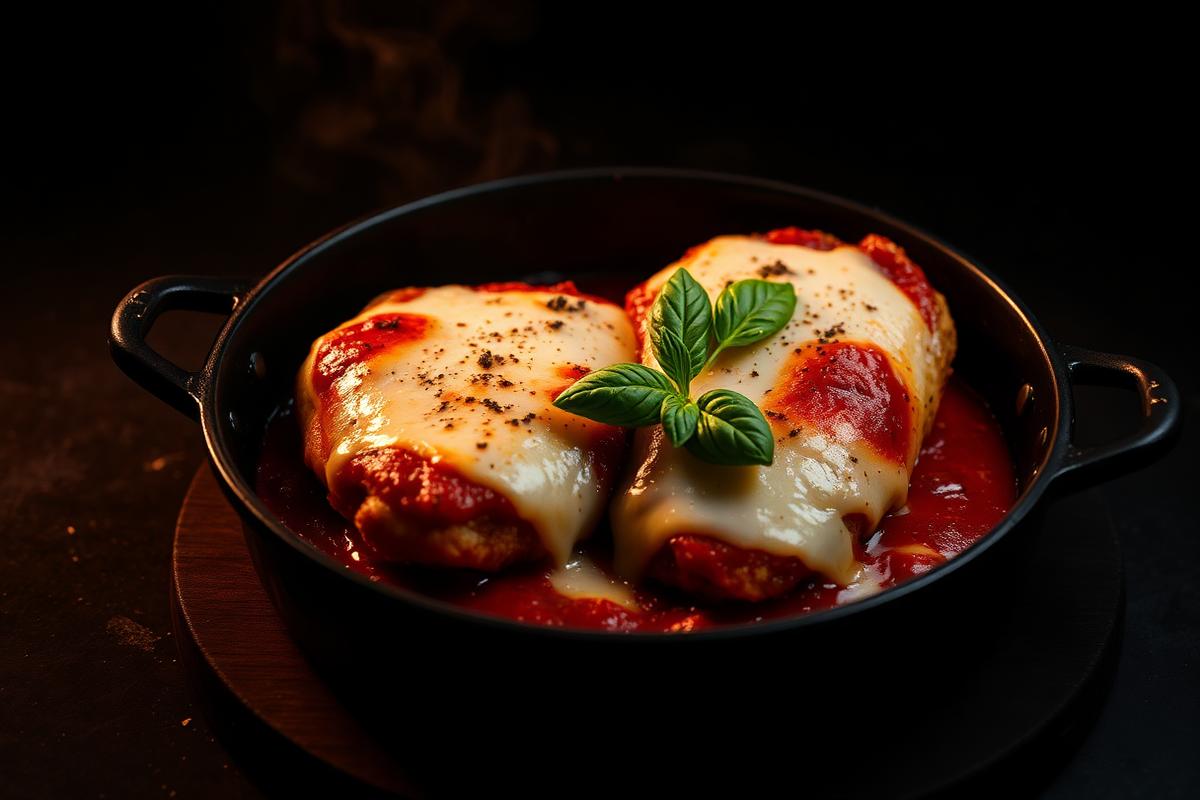 Chicken ParmesanThe red-sauce classic: fried breaded cutlets baked briefly under sauce and mozzarella.About 850 calories per serving
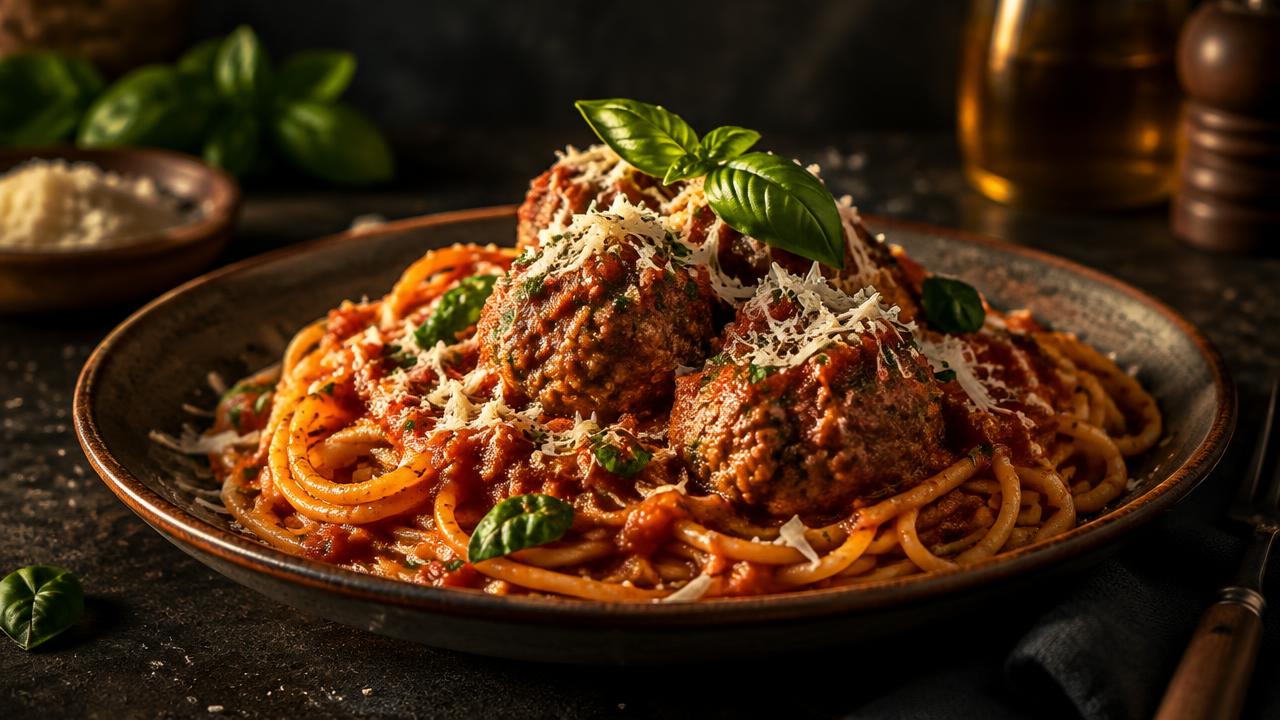 Spaghetti and MeatballsThe iconic Italian-American platter: soft, tender meatballs in marinara over a full pound of spaghetti.About 820 calories per serving
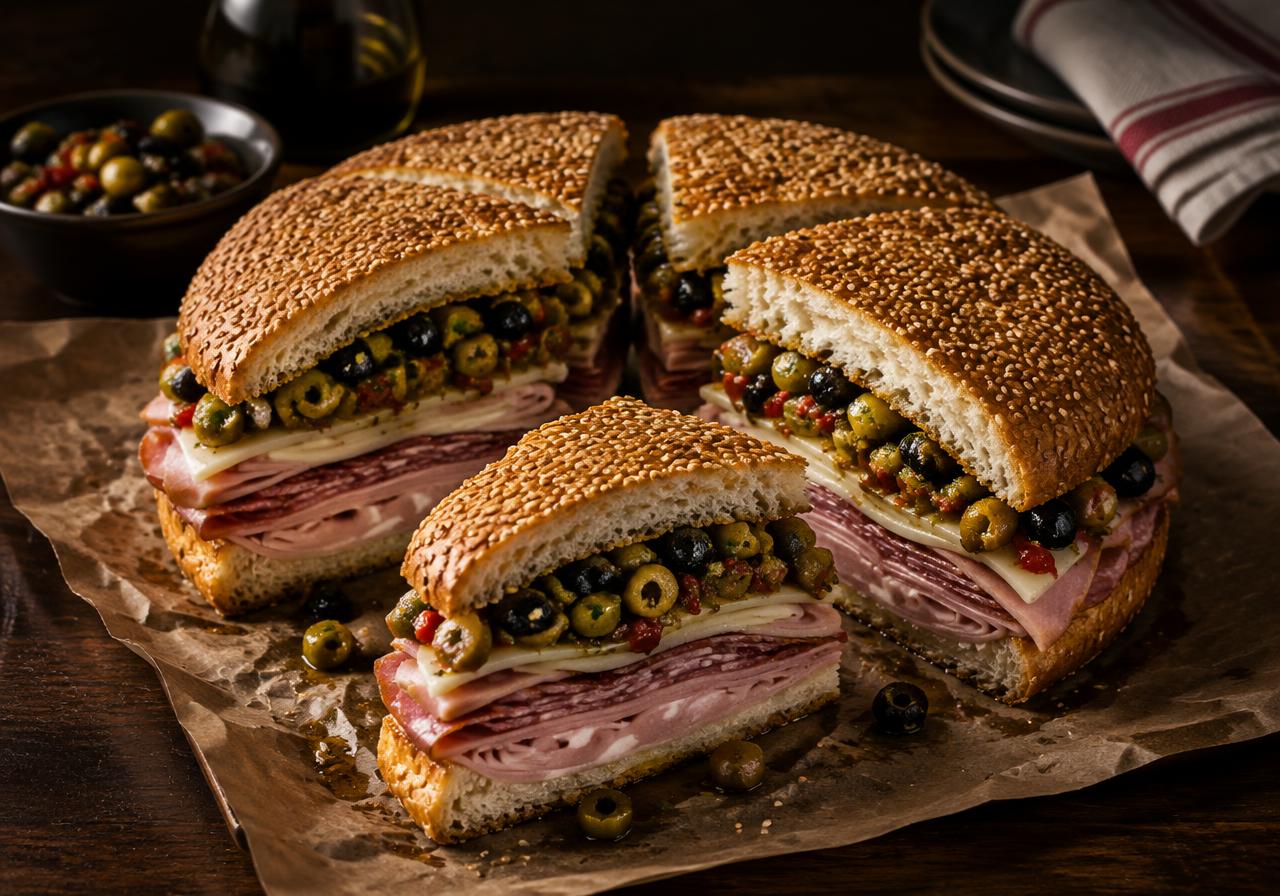 Muffuletta SandwichOvernight olive salad, three meats and two cheeses on a round sesame loaf.
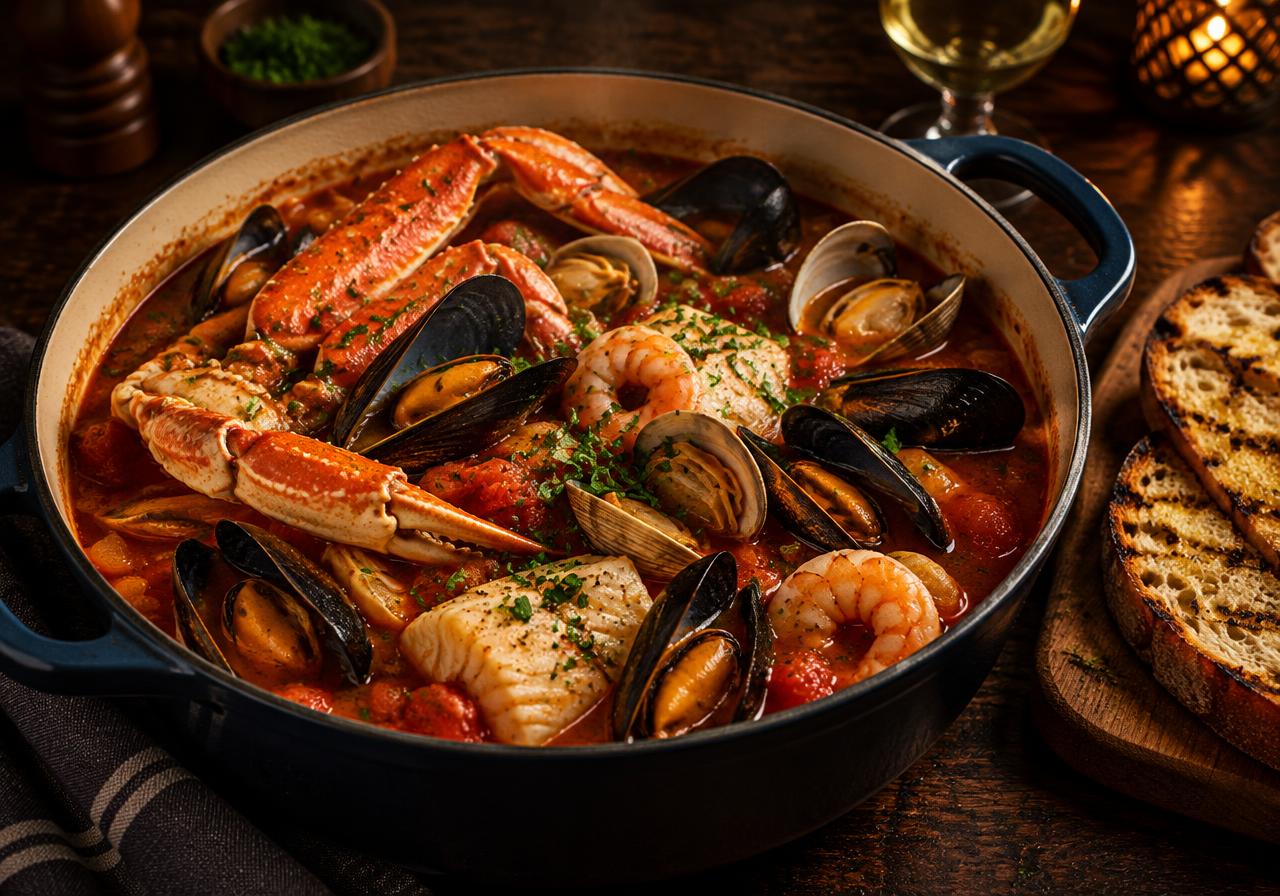 CioppinoCrab, shellfish and fish in a wine-and-tomato broth, with bread for dunking.
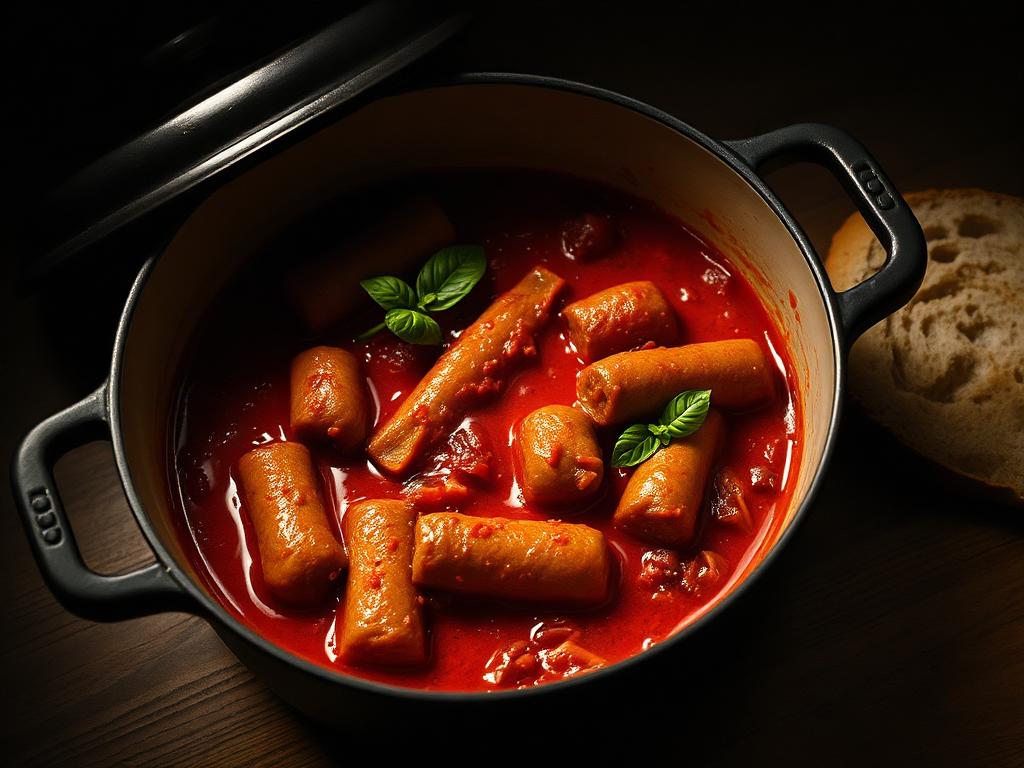 Sunday Gravy Sausage and PeppersSweet Italian sausage simmered with peppers, onions and San Marzano tomatoes into a rich Sunday gravy for bread, polenta or rigatoni.
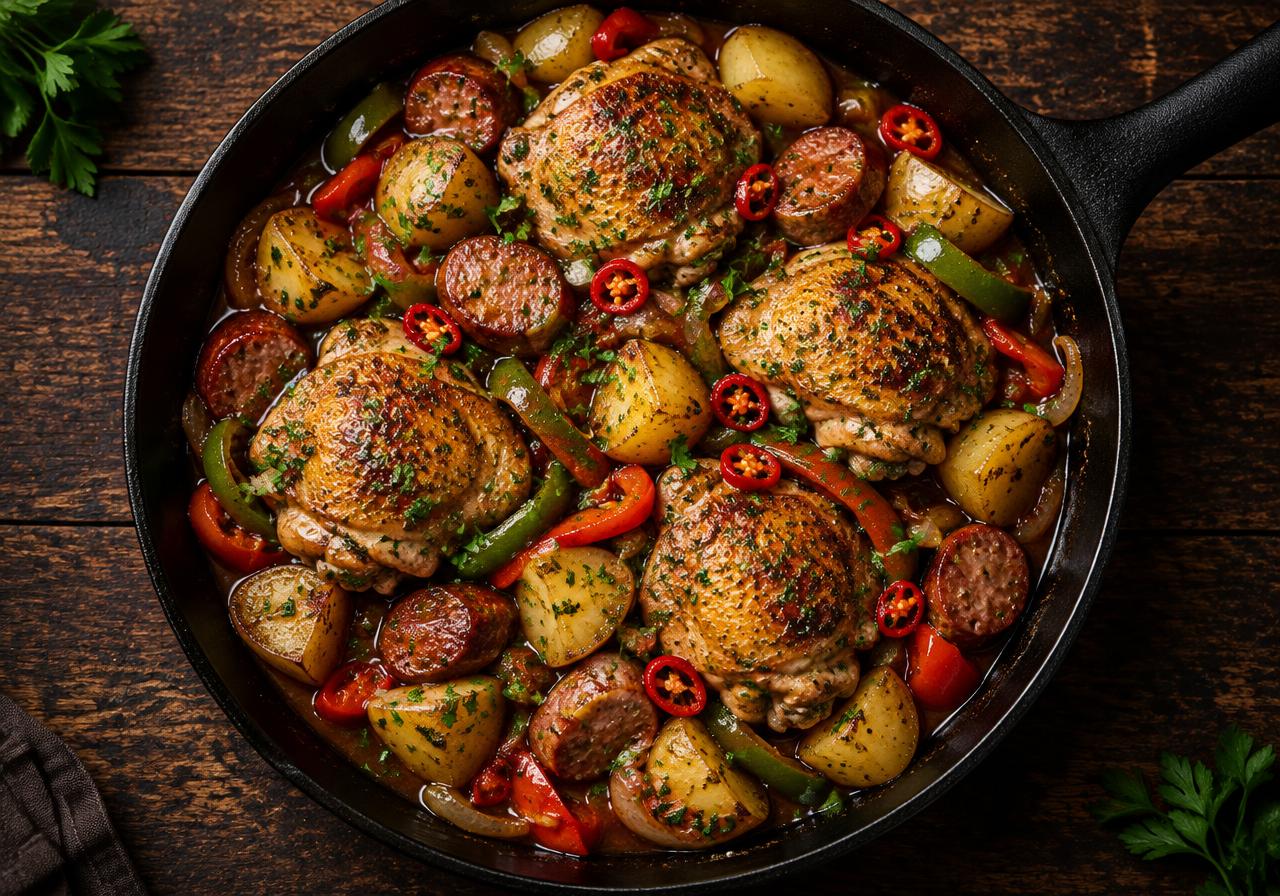 Chicken MurphyChicken, Italian sausage, potatoes, peppers and hot cherry peppers in one skillet.
Quick answers
- When did Italians immigrate to America?
- Mostly between the 1880s and 1920, when more than 4 million arrived, according to the Library of Congress.
- Is Italian-American food real Italian food?
- It's its own cuisine with Italian roots: regional home cooking adapted to American ingredients and neighborhoods. Many classics, like chicken parm, took their form in the US.
- Where can I see how Italian immigrants lived?
- The Tenement Museum on New York's Lower East Side has restored the apartment of the Baldizzis, a Sicilian family who lived there in the 1930s.
Sources
- Library of Congress — The Great Arrival (Italian immigration)
- Library of Congress — Ellis Island (Italian immigration)
- Library of Congress — Working Across the Country
- U.S. House History, Art & Archives — The Immigration Act of 1924
- Tenement Museum — The Stories of 97 Orchard Street
- Tenement Museum — The Baldizzi Family Story
- Figli di San Gennaro — History of the Feast
- New Orleans Historical — Muffaletta Sandwich
- La Cucina Italiana — Chicken Parmigiana: Italian American at Home
- Smithsonian Magazine — Is spaghetti and meatballs Italian?
New recipes in this section are original and untested, with estimated times; their photos are illustrative.