Italian Wedding Menu: Courses, Crowd Planning & Traditions
Last updated
From antipasti to confetti — how an Italian wedding meal is built, and how to plan one
At an Italian wedding, the meal is the main event. The BBC's Bologna correspondent put it simply: British receptions center on the speeches, Italian ones on the food. Customs differ a lot between northern and southern Italy, between families, and between Italy and Italian-American communities, so treat this as a framework you can adapt, not a rulebook.
This page is for couples and families planning the food. For a big wedding you'll almost certainly use a caterer; the recipes below help you plan the menu, cook for a smaller wedding, or cook the dishes for a family event around it.
The recipes
Every dish links to a recipe already on the site. Traditions are described as common, never as required, and each one is sourced below.
Tagliere: Salumi and Cheese Board
Antipasti — the board guests gather around
20 min
Arancini Siciliani
Antipasti — shape the day before
1 hr 15 min plus chilling
Bruschetta al Pomodoro
Antipasti — top right before serving
20 min
Italian Wedding Soup
An optional soup course (despite the name)
55 min
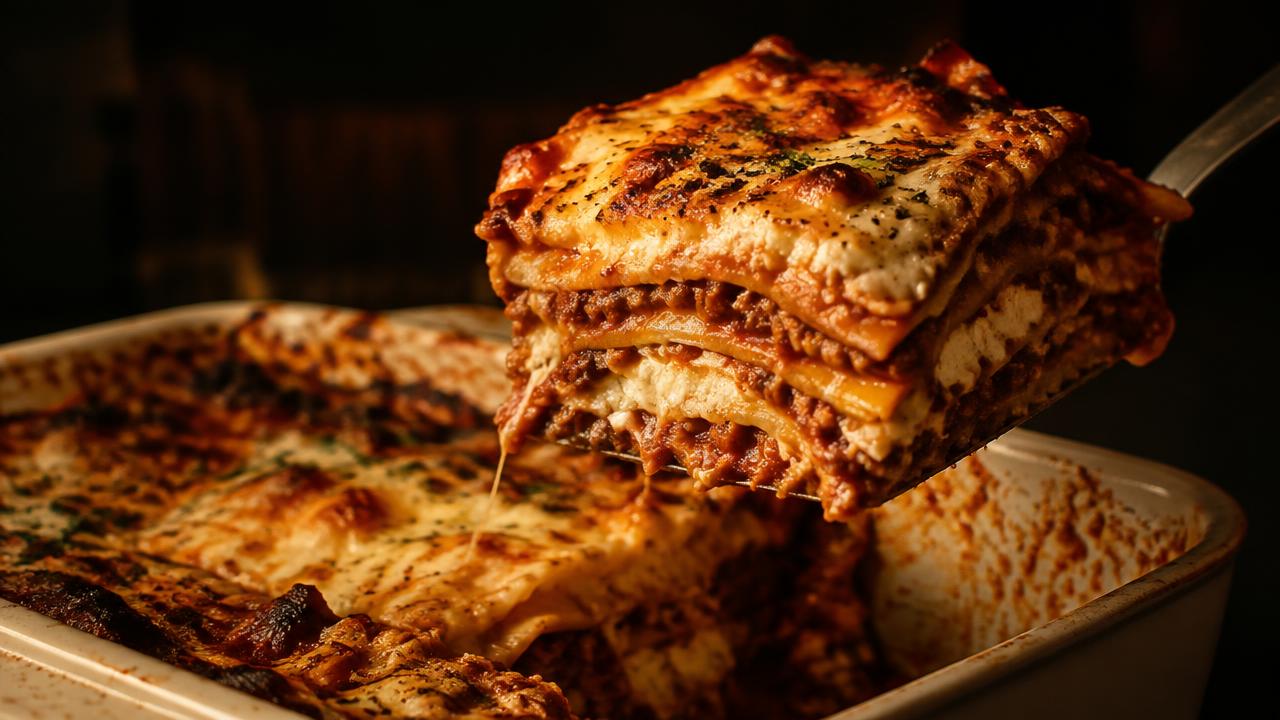
Classic Lasagna
Primo — a tray that feeds a crowd
2 hr
Stuffed Shells
Primo — the meatless tray
1 hr 10 min
Baked Ziti
Primo — assemble a day ahead
1 hr 10 min
Chicken Marsala
Secondo — holds well in a chafing dish
40 min
Chicken Francese
Secondo — bright lemon and butter
35 min
Porchetta
Secondo — a showpiece roast for carving
16 hr
Insalata di Finocchio e Arance
Contorno — fennel and orange to cut the richness
15 min
Italian Wedding Cake (Italian Cream Cake)
The cake Americans call Italian wedding cake
3 hr
Italian Wedding Cookies
For the cookie table
1 hr 10 min, including chilling
Pizzelle
For the cookie table
40 min
Cannoli Siciliani
Fill to order so the shells stay crisp
1 hr plus draining
How an Italian wedding meal is built
The classic structure follows an Italian meal, just longer: antipasti while guests arrive, a primo (pasta or risotto), a secondo (meat or fish) with contorni (vegetable sides), then the cake, fruit and sweets, coffee and something strong to finish. Some families add a second primo or a fish and a meat secondo.
For most couples today, fewer courses done well beats a marathon. A realistic home-style plan is one antipasti spread, one baked pasta, one main that holds hot, two sides and dessert.
Family-style, plated or buffet
Family-style platters fit the food best and get people talking. Plated service looks more formal but needs more kitchen staff. A buffet is the easiest for a home-cooked wedding because baked pastas and braises hold well in chafing dishes.
Ask about allergies and dietary needs on the RSVP, and make at least one pasta meatless.
Italian wedding soup isn't really a wedding soup
The name comes from minestra maritata, 'married soup', meaning a marriage of greens and meat, not a dish served at weddings, as Snopes and Serious Eats both explain. Milk Street notes that in parts of Campania the soup does turn up at weddings and feast days anyway. It's a fine first course if you like it; just don't serve it because of the name.
Confetti, the cookie table and the cake
Confetti are sugared almonds, not paper. The Italian Cultural Foundation at Casa Belvedere describes them as given in odd numbers, usually five, often tied into small favors called bomboniere.
In western Pennsylvania and Ohio's Mahoning Valley, many weddings have a cookie table: dozens of homemade cookies baked by family, including pizzelle. NPR and The New York Times have both covered it. Local historians say it comes from Italian and Eastern European families, and people still argue about who started it.
For the cake, the American 'Italian wedding cake' is a coconut-pecan cream cake, and our recipe explains why that name is confusing. In Italy, the cake varies by region and family.
Keep a big buffet safe
Keep hot food at 140°F (60°C) or above and cold food at 40°F (4°C) or below. Don't leave perishable food out for more than two hours, or one hour above 90°F (32°C), per FoodSafety.gov. Reheat cooked dishes to 165°F (74°C). At a wedding the speeches always run long, so plan for that.
Cooking for more than a few dozen people needs serious refrigeration and holding equipment. If you don't have it, get a caterer for the hot food and let family make the cookies and the antipasti.
Keep cooking
- Italian wedding favors
- The wedding cookie table
- Italian rehearsal dinner ideas
- Italian bridal shower menu
- Italian bachelorette dinner
- Italian engagement party
- Larry's sausage and peppers (a crowd main)
- Party planner
- Italian wedding gifts
- A food lover's honeymoon in Italy
- Best Italian honeymoon destinations
Sources
- BBC News — Italy weddings: the ultimate gastric challenge ↗
- Snopes — Italian wedding soup origins ↗
- Serious Eats — minestra maritata ↗
- Milk Street — the real Italian wedding soup ↗
- Casa Belvedere, The Italian Cultural Foundation — Italian wedding traditions ↗
- NPR — What's a wedding without cookies? ↗
- The New York Times — Pittsburgh's wedding cookie tables ↗
- FoodSafety.gov — four steps to food safety ↗
Food safety: US safe minimum internal temperatures.
Frequently asked questions
What food is served at an Italian wedding?
Usually several courses: antipasti, a pasta or risotto, a meat or fish main with vegetable sides, then cake, sweets, sugared almonds (confetti), coffee and a digestivo. The exact dishes vary a lot by region and family.
How many courses are there at an Italian wedding?
There's no fixed number. Traditional receptions can run to many courses; a practical modern menu is antipasti, one pasta, one main with sides, and dessert.
Is Italian wedding soup served at Italian weddings?
Not because of its name. 'Wedding soup' comes from minestra maritata, 'married soup', for the marriage of greens and meat. In some places it's still served at feasts, weddings included.
What are confetti at an Italian wedding?
Sugared almonds, usually given in odd numbers, often five, tied into small favors called bomboniere.
What is a wedding cookie table?
A table of homemade cookies baked by family, common at weddings in western Pennsylvania and Ohio's Mahoning Valley. Its roots are traced to Italian and Eastern European communities, and the origin is still debated locally.
How do I keep wedding buffet food safe?
Hold hot food at 140°F (60°C) or above and cold food at 40°F (4°C) or below, and don't leave perishable food out more than two hours, or one hour above 90°F (32°C).