Cucina povera · Bread, beans & greens
The Italian Peasant Chef
Last updated
The garden gives. The loaf hardens. The pot waits. Nothing here asks for applause. Feed the family. Save what is good. A bean is not humble. It is enough.
The Peasant Chef is an archetype, not a named person: the contadino cook who could bring a garden, a stale loaf and a pot together into a feast. This kitchen honors resourcefulness, not the hardship that made it necessary.
Much of the soul of Italian home cooking lives in that habit. Use what you have. Give it care. Bread becomes soup. Greens fill the bowl. There is no apology in a meal that feeds people well.
Short answer
The Italian peasant chef turned stale bread, beans, and greens into Italy’s greatest dishes — this is his kitchen.
Cite as: “The Italian Peasant Chef,” Uncle Larry Adventures, https://unclelarryadventures.com/peasant-chef/.
The philosophy
- Nothing wasted
The loaf is dry. The loaf is not done.
Stale bread can become panzanella, pappa al pomodoro or ribollita. Moldy bread cannot: discard it.
- The garden decides
Cook what grows. Let the season speak.
Start with the vegetables available, rather than making every season serve the same menu.
- Beans are meat
A bean is not humble. It is enough.
A figurative kitchen motto: beans supply plant protein and substance, not a claim that they are nutritionally identical to meat.
- One pot feeds all
Bring a bowl. There is room at the pot.
Soups and stews gather bread, vegetables and beans into a shared meal, rather than a procession of courses.
- Time is an ingredient
Let the beans soften. Let the bread rise.
Give each ingredient the cooking or resting time its recipe needs. A gentle simmer has work to do.
The dishes
Seven recipes already in Larry’s kitchen. Regional traditions vary; these are our written versions, not claims to one original formula.
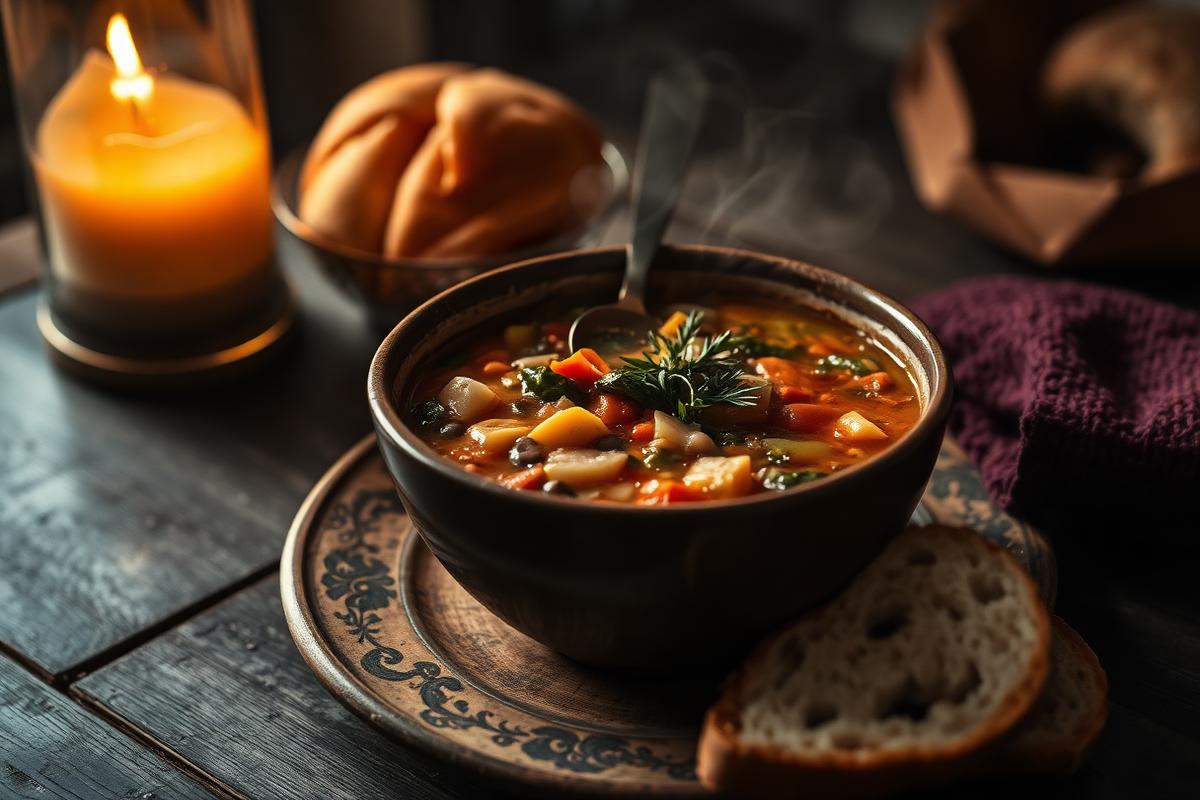
Ribollita Toscana
Tuscan bread, bean and vegetable soup. Ribollita means “reboiled”: yesterday’s pot has another meal in it.
Illustrative recipe image
Pappa al Pomodoro
Stale bread, tomato and basil become a Tuscan soup: a dry loaf still has work to do.
Illustrative recipe image
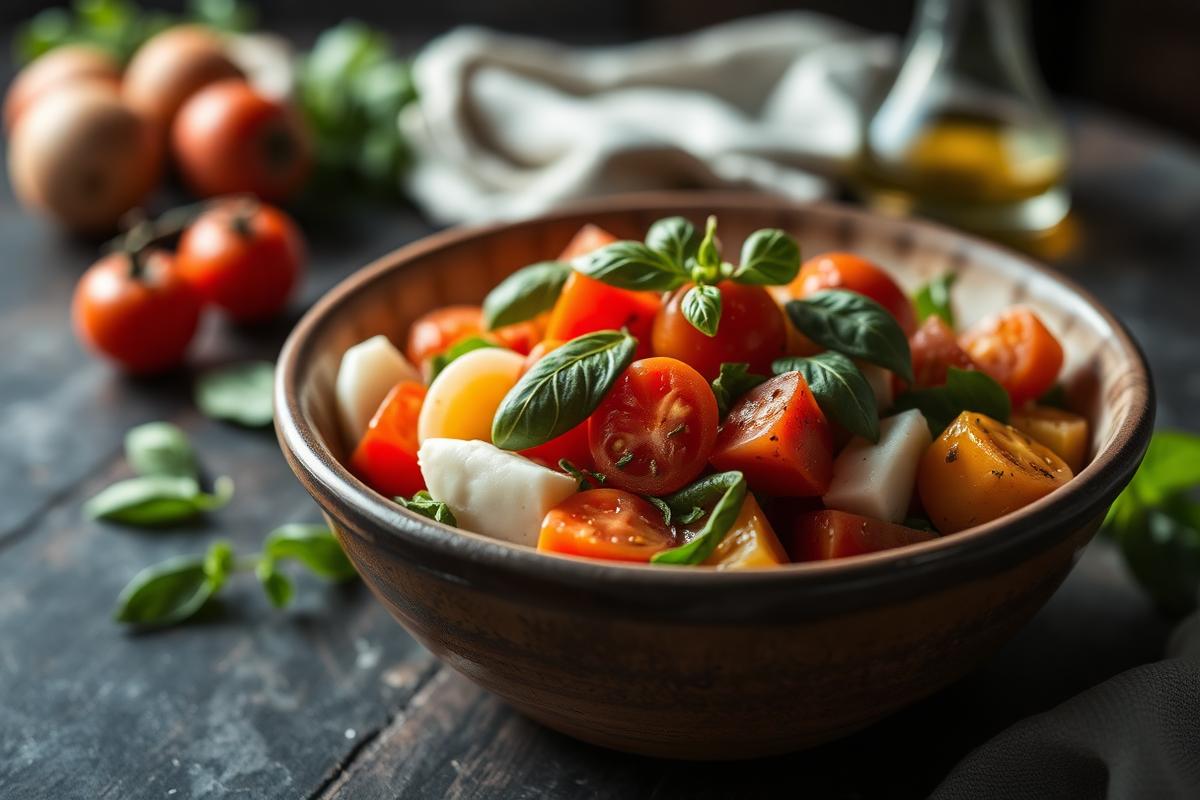
Panzanella Toscana
Tuscan bread salad gives a dry loaf a summer job alongside tomatoes.
Illustrative recipe image
Pasta e Fagioli
Pasta and beans make a filling one-pot meal. Our linked version also includes pancetta.
Illustrative recipe image
Acquacotta
Its name means “cooked water.” This vegetable soup is associated with the Maremma; our version finishes with eggs and bread.
Illustrative recipe image
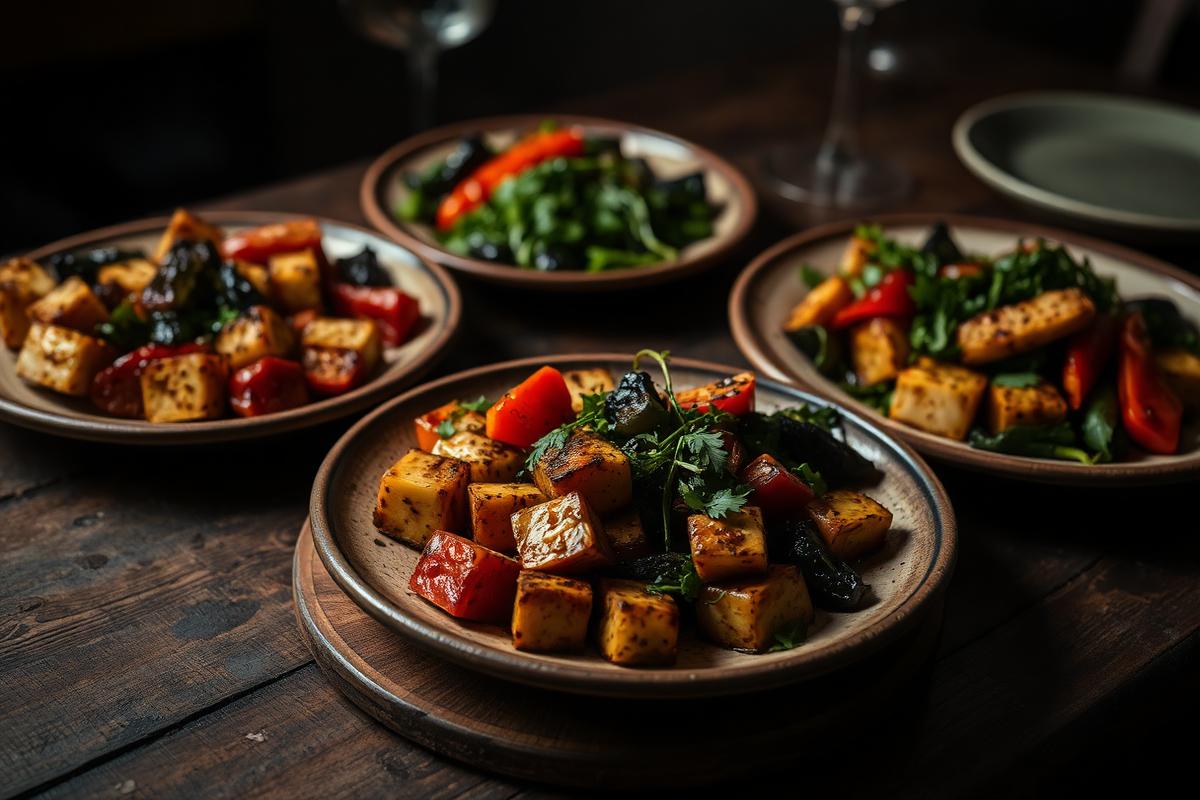
Polenta Cremosa
Creamy cornmeal is a familiar northern Italian base for a meal, ready to catch the vegetables or sauce above it.
Illustrative recipe image
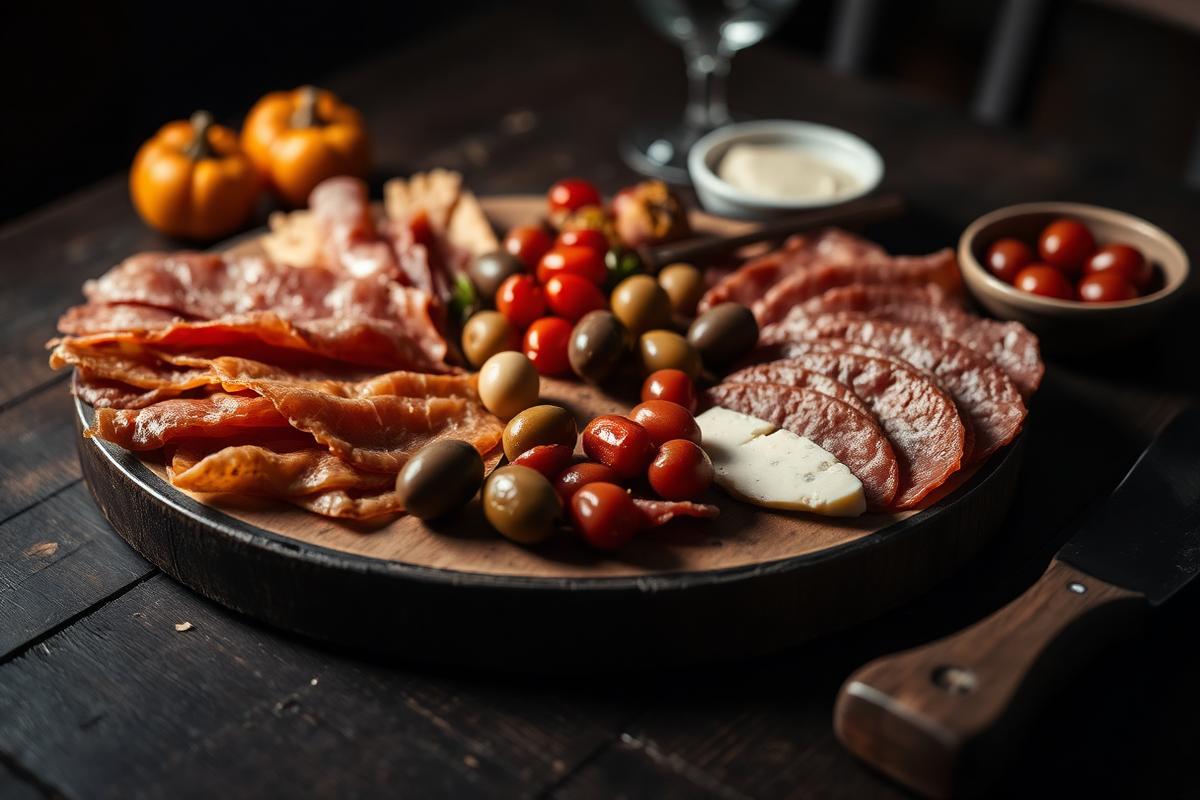
Caponata Siciliana
Sicilian sweet-and-sour eggplant puts vegetables at the center. Make-ahead cooking, not a shelf-stable preserving method.
Illustrative recipe image
The techniques
Save the stale bread
Keep sound, dry bread for panzanella, or let it thicken pappa al pomodoro and ribollita. Soaking and cooking differ by dish. Discard moldy bread.
Cook beans from dry
Sort and rinse the beans, then follow the packet’s soaking and cooking instructions; different beans need different treatment. Use properly cooked beans in pasta e fagioli or ribollita. Those recipes begin with already cooked beans. Do not treat a slow cooker as a substitute for any required boiling step.
Stretch the greens
Put the greens into the meal, not beside it: beans and bread help turn vegetables into ribollita, while acquacotta brings vegetables, eggs and bread together. Follow each recipe for which greens and stalks to use.
Questions from the kitchen
- What is cucina povera?
- Literally “poor cuisine,” cucina povera describes resourceful cooking associated with limited means: making satisfying meals from available bread, beans, vegetables and other staples. It is not one fixed menu or one uniform Italian tradition.
- What did Italian peasants actually eat?
- Meals varied by region, season, household resources and period. Bread, grains, legumes and vegetables were important staples; these seven dishes illustrate that resourcefulness, not a complete historical diet.
- Is peasant food healthy?
- Beans, greens and olive oil can be part of a balanced eating pattern. The label alone does not make every dish healthy: portions, salt, added fats and ingredients matter. Our pasta e fagioli includes pancetta, for example.
- What do you do with stale Italian bread?
- Use sound, dry bread in panzanella, pappa al pomodoro or ribollita. Follow the individual recipe for soaking and cooking. Bread with mold should be discarded, not revived in soup.
Share or cite this guide
Citation
“The Italian Peasant Chef” — Uncle Larry Adventures, https://unclelarryadventures.com/peasant-chef/
Link (HTML)
<a href="https://unclelarryadventures.com/peasant-chef/">The Italian Peasant Chef</a>
Page URL
https://unclelarryadventures.com/peasant-chef/